What does India’s aggressive EV and minerals plan mean for energy security?
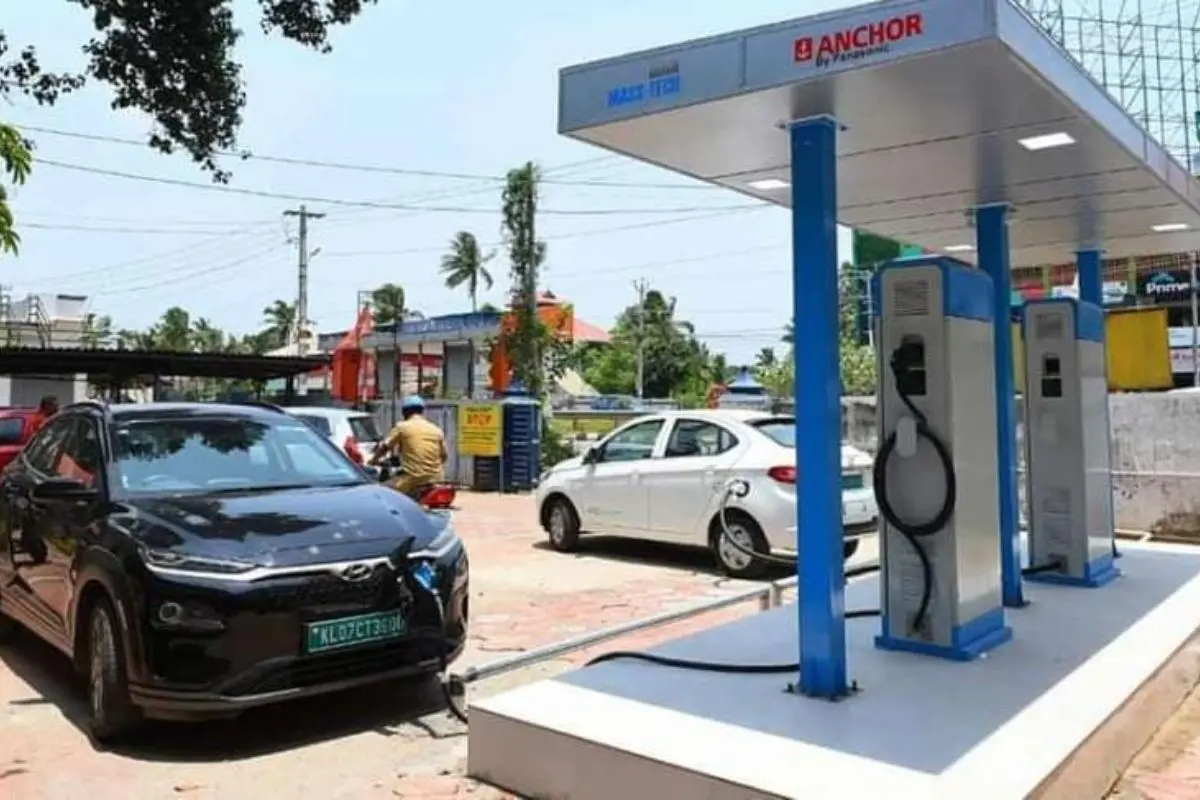
The government has intensified its push towards electric mobility and domestic critical mineral capabilities as part of a broader strategy to reduce reliance on imported oil and strengthen energy security, according to an official statement.
The move comes amid ongoing global price fluctuations and supply chain risks linked to geopolitical tensions, particularly in West Asia. The Ministry of Heavy Industries has begun coordinated measures to sustain electric vehicle growth while addressing vulnerabilities in the supply of key EV components.
As part of these efforts, the government has extended the ₹10,900 crore PM E-DRIVE Scheme to maintain momentum in EV adoption and manufacturing. Under the revised timelines, the electric two-wheeler (e-2W) segment has been extended by three months until 31 July 2026, while the electric three-wheeler (e-3W) category, including e-rickshaws and e-carts, has been extended by two years until 31 March 2028.
Officials said the policy framework under the scheme has been streamlined to ensure continuity of incentives, encourage faster adoption of electric vehicles, and boost domestic manufacturing capacity.
In parallel, the Union Cabinet has approved a ₹7,280 crore scheme to promote the manufacturing of Sintered Rare Earth Permanent Magnets (REPM), a key input for electric vehicles, defence systems, and aerospace applications. The initiative aims to build an integrated domestic manufacturing capacity of 6,000 metric tonnes per annum.
The REPM scheme is expected to reduce India’s dependence on imported rare earth-based components while strengthening supply chain resilience for strategic sectors. Authorities are currently working to operationalise the programme through structured bidding and stakeholder consultations, including participation from industry players and original equipment manufacturers.
A pre-bid conference was held in April 2026, and the request for proposal process has already been initiated through a transparent selection mechanism on the central procurement portal.
The government is also continuing its Phased Manufacturing Programme to increase local value addition in EV production. Officials said the combined implementation of PM E-DRIVE, REPM, and phased manufacturing policies is designed to build a stronger and more self-reliant electric vehicle ecosystem.
According to the statement, PM E-DRIVE provides demand-side support to manufacturers, while the REPM initiative addresses supply-side constraints by boosting domestic production of critical materials. The phased manufacturing strategy further supports localisation across EV components.
The government said these measures are expected to benefit manufacturers, MSMEs, and suppliers by improving supply chain stability and attracting new investment into the sector. For consumers, the initiatives are projected to improve affordability and accessibility of electric vehicles while reducing exposure to global fuel price volatility.
(With IANS inputs)