GE's F414 engine price triples, forcing India to rethink AMCA fighter plans
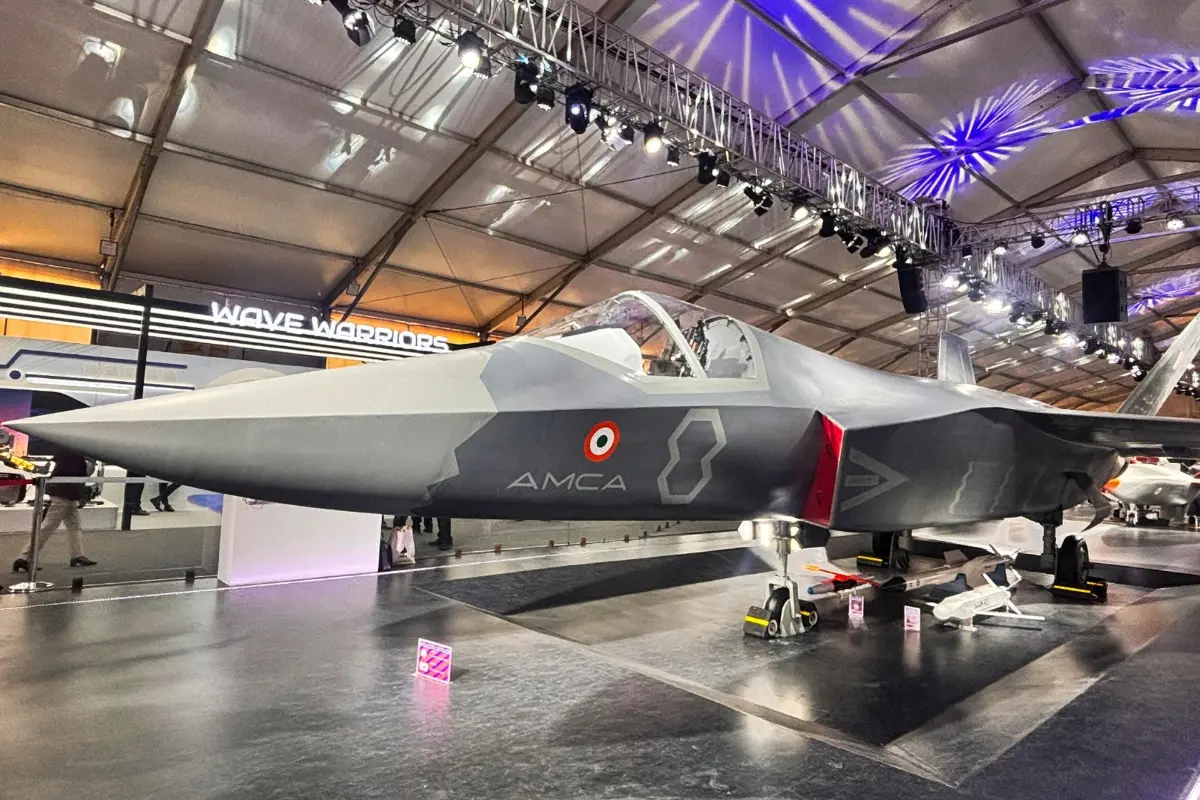
India's ambitious fifth-generation fighter aircraft programme has encountered a significant challenge after the cost of GE Aerospace's F414-INS6 engine reportedly surged to nearly three times the originally expected price, prompting defence planners to consider alternative engine options.
The Advanced Medium Combat Aircraft (AMCA), India's flagship indigenous fifth-generation fighter programme, is facing fresh uncertainty after a sharp escalation in the projected cost of the GE Aerospace F414-INS6 turbofan engine.
According to reports, the engine's unit cost has risen from an estimated ₹70-80 crore to nearly three times that figure. The increase has transformed what was initially viewed as a routine procurement requirement into a major financial and strategic concern for defence planners.
The development has implications not only for the AMCA programme but also for the Light Combat Aircraft (LCA) Mk2 project, which is also expected to utilise the F414 engine.
Prototype phase directly affected
The Aeronautical Development Agency (ADA), which is leading the AMCA programme, is currently negotiating the acquisition of 15 F414-INS6 engines for the aircraft's prototype phase.
Under existing plans, five AMCA prototypes will be built. Since each aircraft requires two engines and an additional spare engine is allocated per aircraft, a total of three engines per prototype is needed.
Any significant rise in engine procurement costs could increase the overall development budget and affect programme timelines.
Why the F414 matters
The F414-INS6 is regarded as a proven and reliable engine platform and has long been considered the preferred choice for powering the AMCA during its initial operational phase.
The engine offers the thrust and performance characteristics required for advanced combat aircraft while reducing developmental risks associated with introducing an entirely new indigenous powerplant during the early stages of the programme.
Because of these advantages, the F414 was expected to serve as the bridge solution until India develops a more advanced indigenous engine for future variants.
DRDO explores alternative options
The reported price escalation has prompted the Defence Research and Development Organisation (DRDO) and ADA to begin examining alternative engine solutions.
While no final decision has been announced, officials are reportedly assessing available global engine options that could offer a better balance between cost, performance and long-term strategic independence.
The search reflects growing concerns over dependence on foreign suppliers for critical military technologies, especially when unexpected cost increases can affect major defence programmes.
The AMCA is one of India's most important defence projects and is intended to provide the Indian Air Force with a domestically developed fifth-generation stealth fighter capable of competing with advanced aircraft operated by leading military powers.
The programme is expected to feature stealth characteristics, advanced avionics, network-centric warfare capabilities and next-generation combat systems.
Any disruption to engine procurement could influence development schedules, testing timelines and future production planning.
Wider implications for LCA Mk2
The F414 engine is also planned for the LCA Mk2, the next-generation evolution of India's Tejas fighter programme.
As a result, any substantial increase in engine costs could have broader budgetary implications across multiple Indian Air Force modernisation initiatives.
Defence analysts note that engine procurement remains one of the most critical and expensive components of fighter aircraft development, making cost stability essential for long-term planning.
The latest development is likely to strengthen calls for accelerated investment in indigenous aero-engine technology.
India has made significant progress in aircraft design and systems integration, but jet engine development remains one of the most challenging areas of aerospace engineering.
The F414 price shock highlights the risks associated with dependence on imported propulsion systems and may encourage renewed focus on developing a domestically controlled engine ecosystem for future combat aircraft.