Cleaner air or disrupted routines? Delhi rolls out construction bans, WFH and vehicle curbs
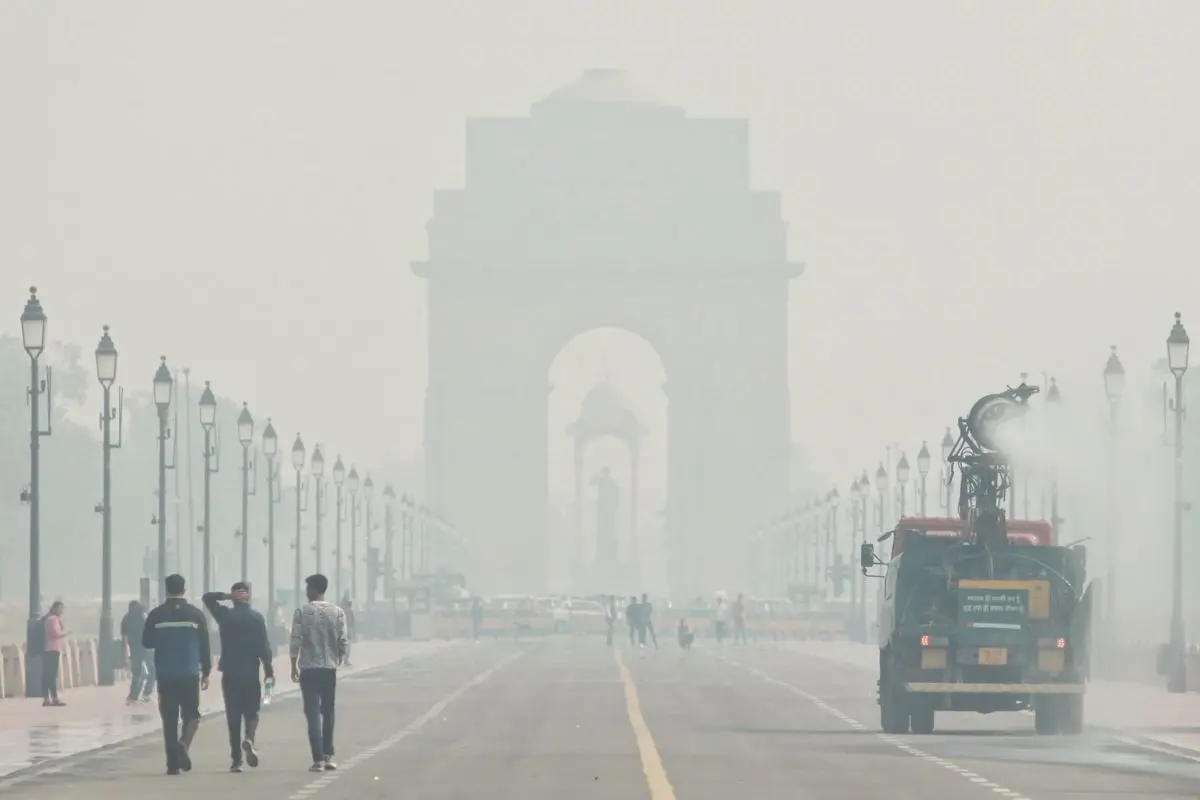
Delhi is preparing for the winter pollution season with a series of restrictions that will begin before the period when air quality typically deteriorates. Among the most significant measures is a phased construction and demolition crackdown.
Dust-generating demolition work and outdoor civil construction activities will be prohibited from November 1, 2026, to January 31, 2027. The restrictions will become stricter from December 10 to January 20, when construction and demolition activities will face a complete ban, subject to specified exemptions for urgent government, essential public infrastructure and emergency work.
The timing is significant because the government is not waiting for severe pollution levels before introducing these measures. The restrictions are part of Delhi's Winter Pollution Action Plan, which was notified earlier this year and is intended to come into force annually from November 1 to February 28. It will operate alongside the Graded Response Action Plan, under which additional restrictions are imposed depending on prevailing air quality.
Construction is only one part of the wider strategy. Delhi has also announced restrictions on certain non-Delhi vehicles below BS-VI standards, stronger enforcement of the "No PUC, No Fuel" rule, higher parking charges, staggered office timings and a 50% work-from-home arrangement for government and private offices during specified periods.
The government is also focusing on road dust, waste burning, traffic congestion and pollution hotspots. According to the government's latest plan, monitoring will be strengthened through cameras and other systems, while action is also being taken to improve public transport and last-mile connectivity.
Is Delhi acting early enough?
The current plan represents a shift towards preventive winter planning rather than relying only on emergency restrictions after AQI levels worsen. The construction ban is scheduled in advance, while awareness campaigns, PUC-centre upgrades and vehicle checks are also planned before the peak winter period.
However, announcing restrictions early does not by itself establish how effective they will be. The key test will be implementation: whether construction sites comply, whether vehicle restrictions are enforced, whether waste burning is controlled and whether pollution sources identified by authorities actually show measurable reductions.
The government says 723 construction sites are registered on its monitoring system, with hundreds already equipped with web cameras. It has also said pollution-control measures are being monitored through an AI-enabled system.
That makes enforcement and measurable outcomes central to assessing the plan. The coming winter will show whether the advance restrictions can reduce pollution before it reaches the severe levels that have repeatedly affected Delhi.
The construction ban is notable because it is not being presented as a one-off response to an immediate AQI emergency. Delhi's permanent winter framework is designed to put several restrictions in place automatically during the November-February period.
The important question, therefore, is no longer simply when the government acts, but whether the action begins early enough, covers the major pollution sources and is enforced consistently. Construction dust is one component of Delhi-NCR's pollution problem, alongside vehicle emissions, road dust, waste burning, industrial emissions and weather conditions. The effectiveness of the winter plan will depend on how these sources are addressed together.