
Fuel stations across the city will be forbidden from supplying petrol, diesel, or CNG to vehicles without a valid PUCC.
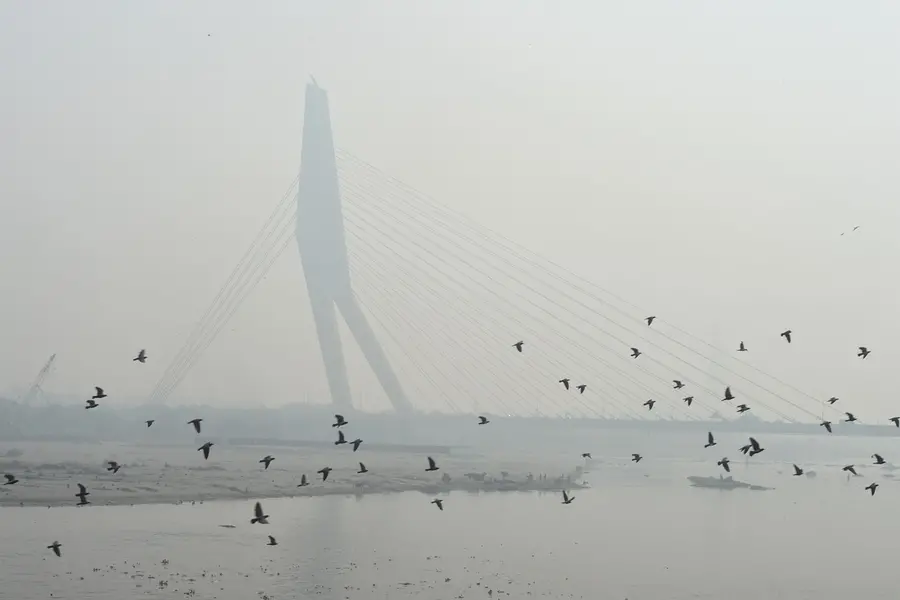
Delhi residents are set to experience a series of new anti-pollution measures starting this autumn as authorities prepare for the annual decline in winter air quality. Following a review meeting between Chief Minister Rekha Gupta, Union Environment Minister Jitender Yadav, and senior officials, the government confirmed the rollout of its consolidated Winter Pollution Action Plan on Monday. First notified in July, this framework automatically comes into effect every year from 1 November until 28 February. The restrictions will be introduced in stages, with some mandates remaining active through to late February 2027 to protect public health when air quality comes under heavy pressure.
Daily commutes and work routines to face major shifts
To reduce travel demand during peak pollution months, public and private sector offices will undergo significant operational changes. Half of all staff in government and private establishments will be required to work from home between 1 November and 28 February. For those attending offices, operating hours are being staggered to spread out road traffic. Municipal Corporation of Delhi (MCD) offices will function from 8:30 am to 5:00 pm, whereas Delhi government offices will run from 10:00 am to 6:30 pm. Private companies have also been asked to promote carpooling, ride-sharing, and public transport among employees. Essential and emergency services, however, are fully exempt from these workplace rules.
To further discourage the use of private motor vehicles, parking charges at authorised parking sites will double from 1 November 2026 to 28 February 2027. Metro commuters will be spared, as parking spaces managed by the Delhi Metro Rail Corporation (DMRC) are exempt from the fee hike.
Strict building bans supported by artificial intelligence monitoring
Construction and demolition work will face phased shutdowns across the capital. Outdoor civil construction and dust-generating demolition activities will be prohibited from 1 November 2026 to 31 January 2027. A complete ban covering all construction and demolition will follow during the peak winter period from 10 December 2026 to 20 January 2027. Explaining the need for stricter enforcement on social media, Chief Minister Gupta pointed out that during previous winters, some building activities secretly continued behind covers despite restrictions under the Graded Response Action Plan. She urged citizens to report any illegal work directly to the MCD, their local MLA, or her office.
To catch offenders, the government is relying on high-tech surveillance. Under Dust Portal 2.0, launched in July by the Delhi Pollution Control Committee, construction sites measuring 500 square metres or 500 square yards and above are monitored using GIS mapping, live 360-degree PTZ cameras, PM10 and PM2.5 sensors, and AI analytics. The system issues yellow, orange, and red pollution alerts, enables digital compliance certificates and enforcement notices, and provides district-level dashboards and hotspot analysis.
Crackdown on vehicle emissions at fuel pumps and city borders
Motorists in Delhi will also face tighter checks on exhaust emissions. Year-round enforcement of Pollution Under Control Certificates (PUCC) will be intensified, beginning with a special enforcement drive against invalid certificates on 1 October. Fuel stations across the city will be forbidden from supplying petrol, diesel, or CNG to vehicles without a valid PUCC. Station staff and enforcement teams will check compliance using physical certificates, Automatic Number Plate Recognition (ANPR) camera systems, or the central VAHAN database.
Additionally, vehicles registered outside Delhi that fail to meet BS-VI emission standards will be banned from entering or driving through the city between 1 November 2026 and 31 January 2027. Electric vehicles, CNG vehicles, emergency services, and other designated exempt categories will remain unaffected by the entry restriction.
Published: 28 Sept 2026, 04:01 pm IST
Related Topics
Disclaimer: Kindly avoid objectionable, derogatory, unlawful and lewd comments, while responding to reports. Such comments are punishable under cyber laws. Please keep away from personal attacks. The opinions expressed here are the personal opinions of readers and not that of Mathrubhumi.
