The acid crisis no one saw coming; and how it could make everything costlier
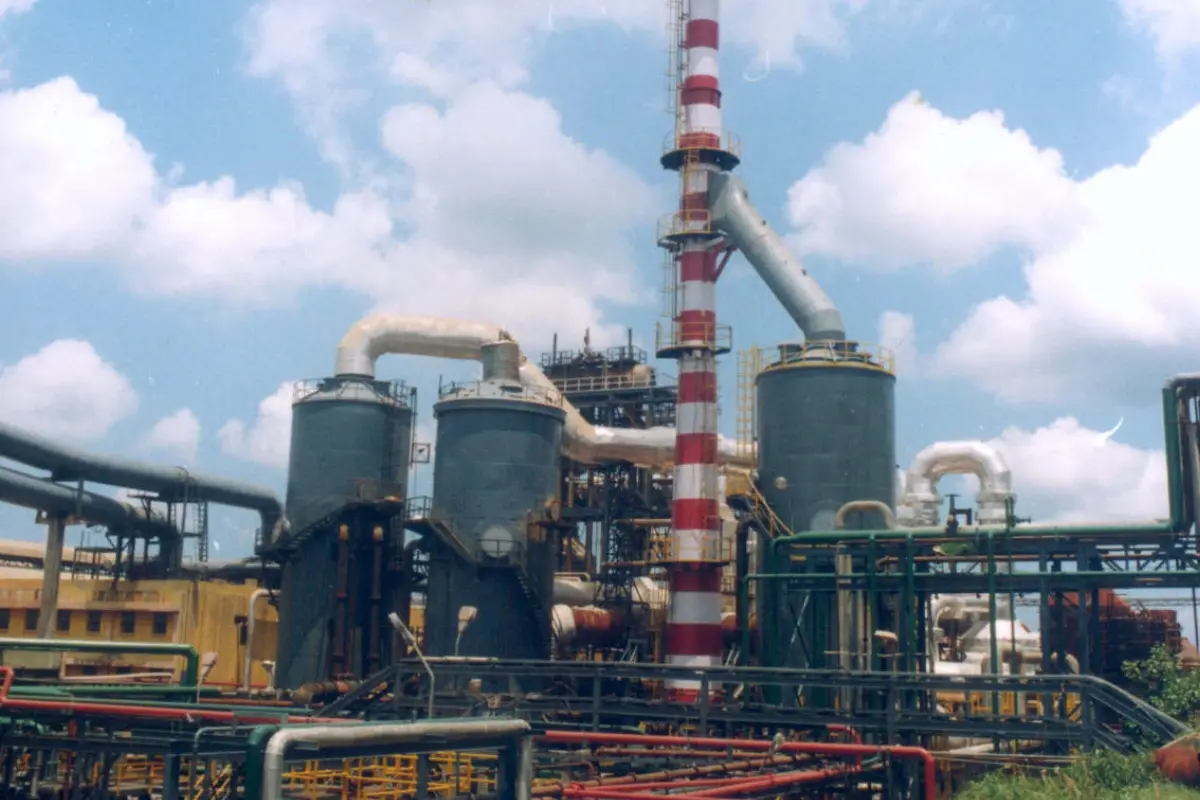
There is a quiet crisis building up in the global economy that very few people are talking about, and it involves one chemical that touches almost every part of our daily life, sulphuric acid.
You may have never heard of it in casual conversation, but this powerful chemical is silently behind your food, your mobile phone, your car battery, your medicines and even the copper wires running in your home. And right now, the world is heading into a serious shortage of it because of two big reasons, the Iran war in the Persian Gulf and China's new decision to stop exporting this chemical.
Let us first understand what sulphuric acid actually does. It is one of the most widely used chemicals in the world, often produced as a by-product during oil refining, gas processing and metal smelting, which means extracting metal from raw ore using high heat. Around 60 percent of global sulphuric acid is used to make fertilizers, while the rest goes into batteries, medicines, detergents, paper, semiconductors (the tiny electronic chips inside mobiles and computers), water treatment for cities, and the processing of important metals like copper and nickel. In simple words, if sulphuric acid stops flowing, the world's food production, electronics manufacturing and metal industries all start choking together.
The chemical is highly corrosive, meaning it can quickly damage metals and even human skin. That is why it is risky and costly to transport and store. Most companies keep only a few weeks of supply, which means any sudden shortage hits them very fast.
Now the trouble. A large part of the world's sulphur comes from oil refineries and gas plants in the Persian Gulf region. The Middle East alone accounts for nearly one-third of global sulphur production and about 50 percent of seaborne sulphur trade. But ever since the Iran conflict escalated in late February 2026, the Strait of Hormuz, the world's most important oil shipping route, has been badly disrupted. Ships cannot move freely, freight rates have shot up sharply, and sulphur supplies to many countries have slowed down to a trickle.
Then came the second shock. On April 10, 2026, China, which produces more than 40 percent of the world's sulphuric acid, announced that it will halt exports of the chemical starting May 2026. The reason is simple. China wants to save the chemical for its own farmers to ensure fertilizer supply at home and protect its food security. This restriction is expected to last till the end of 2026.
The result has been a sharp price explosion. Global sulphuric acid prices have nearly doubled in just six weeks, jumping from around 149 dollars per metric tonne in early March 2026 to over 307 dollars per metric tonne by mid-April. In Chile, delivered prices have climbed from 175 dollars to nearly 270 dollars per tonne, an increase of almost 54 percent. International urea fertilizer prices have already risen about 40 percent compared to pre-war levels. Even in China itself, the domestic price had jumped nearly 500 percent in just over two years.
Countries like Chile, Indonesia, Morocco, Saudi Arabia and India are among the hardest hit, as these were the main buyers of Chinese sulphuric acid. In Indonesia, sulphur prices have risen by more than 80 percent since the Iran conflict began, forcing mining companies to cut down nickel production. Nickel is very important because it is used in electric vehicle batteries and stainless steel. In Chile, the world's biggest copper producer, sulphur prices have doubled, hurting copper output. And copper, as you know, is the backbone of electricity wiring, electric vehicles and almost every electronic device.
For India, this is a serious matter. India is a big importer of Chinese sulphuric acid, and Indian prices have already shot up from 149 to 278 dollars per tonne in just a few weeks. Higher acid prices mean costlier fertilizers, which means higher costs for our farmers, which finally means costlier food on your dining table. India is also planning major copper expansion and EV battery growth, both of which need sulphuric acid in huge quantities.
Even the United States, which has its own oil refineries and gets supplies from Canada and Mexico, is not fully safe. Experts warn that global copper shortages can push prices higher worldwide, and silver supply too may tighten, since about 27 percent of global silver comes as a by-product of copper mining.
The bigger lesson here is simple. The world has been so busy watching oil and chips that it ignored these quiet but essential chemicals. Building new acid plants or shipping routes takes years, not months. Until then, fertilizer costs, food prices, metal prices and electronics costs may all face slow but steady upward pressure. The acid crisis is invisible today, but its impact will soon be felt by every family.
(Girish Linganna is an award-winning science communicator and a Defence, Aerospace & Geopolitical Analyst. He is the Managing Director of ADD Engineering Components India Pvt. Ltd., a subsidiary of ADD Engineering GmbH, Germany.)