
Nothing teases phone without signature Glyph lights
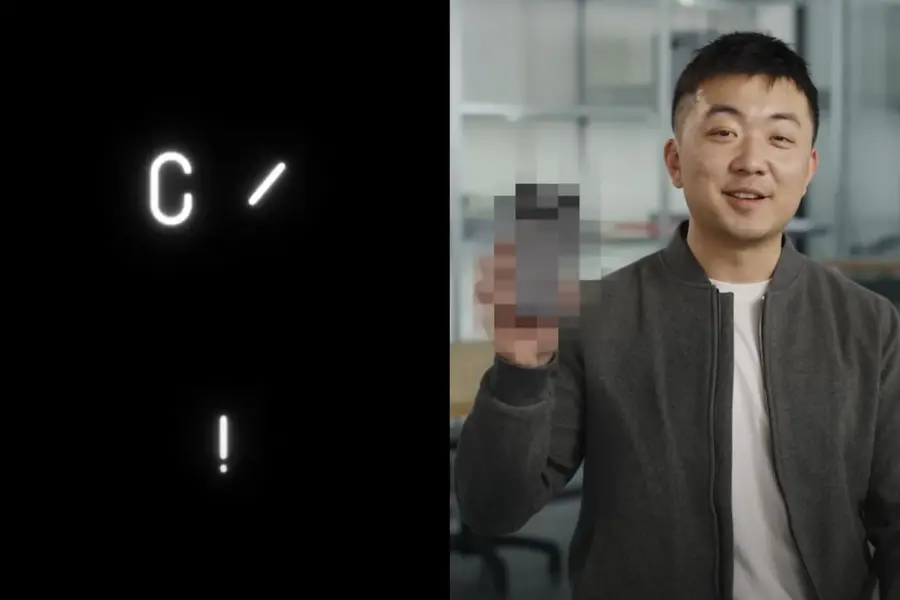
As the launch of the Nothing Phone (3) draws near, the brand has been offering glimpses into what users might expect from its upcoming release. In a fresh teaser shared on X (formerly Twitter), the company has hinted that it may be retiring its most eye-catching feature — the Glyph Interface.
The brief video, posted with the caption “we killed the Glyph Interface”, shows the rear lights of the original Phone (1) fading into black. It comes across as a dramatic and playful farewell to the illuminated design that helped set Nothing apart in the competitive smartphone market.
Since its first appearance, the Glyph Interface has been central to the identity of Nothing phones. The LED strips on the back were more than just decorative — they added a futuristic element, allowing users to customise light sequences and sounds for alerts, use the lights for countdowns or battery status, and even function as soft lighting for photography.
With the lights potentially being switched off, questions are swirling around what might replace them. Although the company hasn’t confirmed anything officially, clues suggest that the Phone (3) could introduce an entirely new design approach. Teasers for the device have included visuals in a dot-matrix style, featuring a stylised number “3” and animations reminiscent of classic arcade games — possibly pointing to a back panel that uses pixel-style displays.
Carl Pei, CEO of Nothing Phones, commented below the video, saying, “RIP”.
Fans were quick to respond, with one commenting, “Honestly, retain some flair but make it sleek, professional, and fun”.
Another fan said, “What? But why, @nothing ? Who told you to kill the Glyph Interface? That was your identity! It even gave many users a sense of nostalgia”.
Another fan wrote, “Translation: The new Glyph Interface cooks”.
This nostalgic but modern take could offer a fresh identity, but it’s not without risks. When the Phone (1) debuted in 2022, it was the Glyph Interface that captured attention and helped Nothing stand out in a crowded field of lookalike handsets. With design innovation slowing and competition intensifying, moving away from such a distinctive feature raises an important question — what will be the brand’s new calling card?
Published: 30 May 2025, 10:40 am IST
Disclaimer: Kindly avoid objectionable, derogatory, unlawful and lewd comments, while responding to reports. Such comments are punishable under cyber laws. Please keep away from personal attacks. The opinions expressed here are the personal opinions of readers and not that of Mathrubhumi.
