
ISRO’s successful launch of the 6,100-kg BlueBird Block-2 satellite is more than a record-breaking feat. It marks a strategic leap in India’s heavy-lift capability, commercial space credibility, and role in next-generation global connectivity.
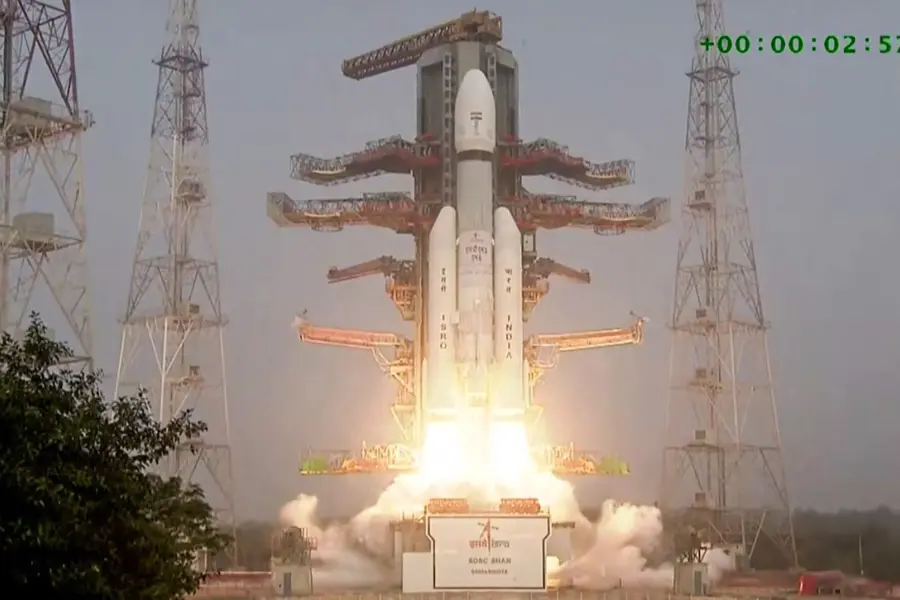
India’s space agency has added another historic first to its record books with the successful launch of the BlueBird Block-2 communication satellite, the heaviest payload ever lifted from Indian soil using an Indian launcher.
The mission is being seen as a turning point for ISRO’s commercial, technological, and strategic space capabilities. Here’s why it matters.
1. Heaviest Satellite Ever Launched by ISRO
At 6,100 kg, BlueBird Block-2 surpasses all previous payloads launched by India. This firmly establishes LVM-3 (Gaganyaan-class launcher) as a true heavy-lift rocket capable of handling next-generation satellites.
2. First Dedicated US Commercial Customer on LVM-3
This was LVM-3’s first exclusive commercial mission for a US-based company (AST SpaceMobile), underlining growing global trust in India’s launch systems amid rising demand for cost-effective space access.
3. Largest Commercial Communications Satellite Placed in LEO by India
BlueBird Block-2 is the largest-ever commercial communications satellite deployed in Low Earth Orbit by ISRO, expanding India’s operational footprint beyond traditional GTO missions.
4. Direct-to-Smartphone Satellite Technology
Unlike conventional satellites, BlueBird Block-2 is designed to connect directly with standard smartphones—no satellite phones, no special hardware. This positions ISRO at the heart of the future of space-based mobile broadband.
5. Boost to India’s Global Commercial Launch Market
With competitors like SpaceX’s Falcon 9 and ESA’s Ariane 6, ISRO’s ability to deliver heavy launches at significantly lower costs strengthens India’s role as a serious commercial launch alternative.
6. Proven Reliability of LVM-3 (‘Baahubali’)
This was the ninth consecutive successful LVM-3 mission, marking 100% mission reliability so far. The vehicle’s consistent performance is crucial ahead of the Gaganyaan human spaceflight mission.
7. Strategic Leap Toward Space-Based Connectivity
The mission aligns India with the global shift toward LEO mega-constellations for broadband, emergency connectivity, and remote coverage—sectors expected to dominate the next decade of space commerce.
Beyond the numbers and records, the BlueBird Block-2 mission signals a shift in Isro’s global positioning—from being primarily a national space agency to a dependable player in the fast-growing commercial launch market.
As demand for low-cost, high-reliability access to Low Earth Orbit accelerates worldwide, ISRO’s proven heavy-lift capability, rapid launch readiness, and flawless LVM-3 track record make India an increasingly attractive partner for global satellite operators.
7 Unique Features of Isro Highlighted by the BlueBird Mission
- Heavy-lift capability with indigenous cryogenic engines
- Cost-efficient commercial launch pricing
- Rapid back-to-back launch readiness (52 days gap)
- High-precision LEO injection accuracy
- Proven reliability across human and commercial missions
- Flexibility across LEO, GTO, and deep-space missions
- End-to-end indigenous launch ecosystem
\At the same time, the mission lays critical groundwork for India’s next big leap in spaceflight. The success of LVM-3 in carrying its heaviest payload yet boosts confidence ahead of the Gaganyaan human spaceflight programme, while also aligning India with the future of space-based mobile connectivity.
In that sense, BlueBird Block-2 is not just a commercial win—it is a strategic milestone that strengthens India’s ambitions as a space power in the decade ahead.
Published: 24 Dec 2025, 03:26 pm IST
Disclaimer: Kindly avoid objectionable, derogatory, unlawful and lewd comments, while responding to reports. Such comments are punishable under cyber laws. Please keep away from personal attacks. The opinions expressed here are the personal opinions of readers and not that of Mathrubhumi.
