
This new visual prompting feature, available across devices, intensifies the AI image generation race with OpenAI, which recently launched its own faster and more precise image editing upgrade.
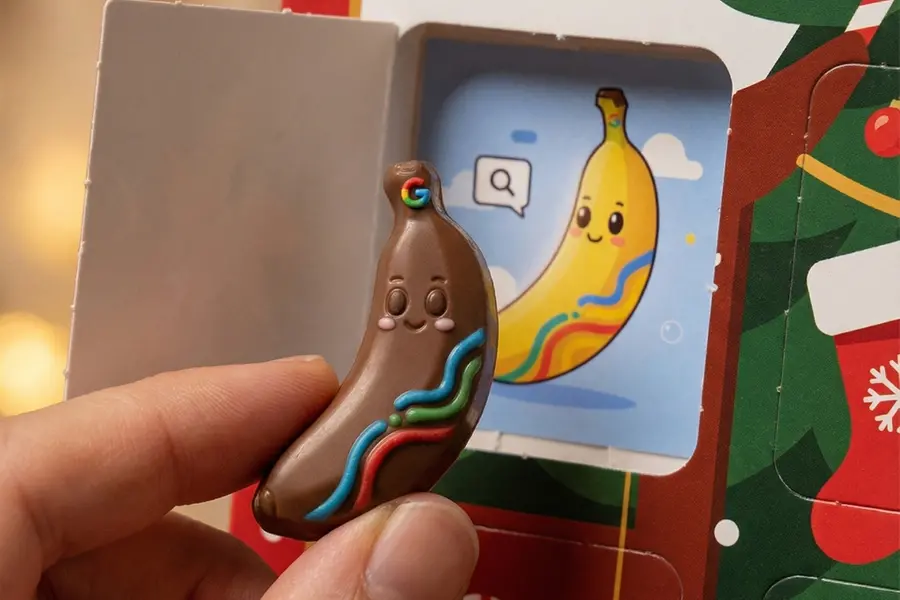
Google rolled out a major update to its Nano Banana AI image generator on Wednesday, allowing users to draw or annotate directly on images rather than describe edits in words—a move that arrives just two days after OpenAI released its own image generation upgrade.
The new visual prompting feature enables users to circle, highlight, or sketch on specific areas of an image within the Gemini app to show the AI exactly where and how to apply modifications. Instead of typing instructions like "remove this person in the background" or "make the sky brighter on the left side," users can now mark the exact spot and let the AI handle the edit.
"Now you can tell Gemini exactly where and how to apply your edits by drawing on or annotating your images right in the Gemini app, making it easier to get the final look you want," Google announced Wednesday.
Intensifying Competition
The update marks the latest salvo in an escalating rivalry between Google and OpenAI. Just days earlier, on December 16, OpenAI launched GPT Image 1.5, a new model that generates images up to four times faster than its predecessor and offers more precise editing capabilities. That release came after OpenAI CEO Sam Altman reportedly declared a "code red" in early December, halting other projects to focus on improving ChatGPT in response to Google's Gemini 3 launch.
The new drawing feature, available on Android, iOS, and the web, uses a "Mark up" editor with sketch and text tools. Google noted that while users can annotate images to show their intent, they "can always add" a text prompt if desired. The company had previously tested similar visual prompting with Whisk, a lesser-known experimental tool, before bringing the capability to its flagship Nano Banana platform.
Nano Banana Pro, powered by Google's Gemini 3 Pro Image model, has gained recognition for its ability to generate studio-quality images with accurate text rendering and advanced editing controls. The original Nano Banana launched in August 2025 and quickly went viral with trends that turned selfies into 3D figurines.
Published: 19 Dec 2025, 02:50 pm IST
Related Topics
Disclaimer: Kindly avoid objectionable, derogatory, unlawful and lewd comments, while responding to reports. Such comments are punishable under cyber laws. Please keep away from personal attacks. The opinions expressed here are the personal opinions of readers and not that of Mathrubhumi.
