
While the game market remains "very fierce," Utsumi stressed the importance of a close fan base and the time required to develop great games
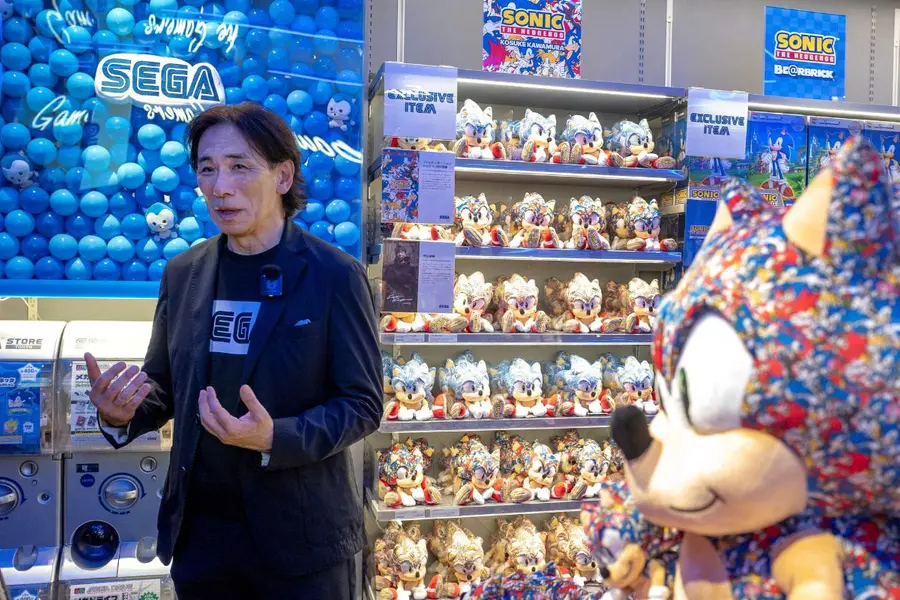
Tokyo: After two challenging decades, Japanese gaming giant Sega is now poised for a significant comeback, buoyed by the big-screen success of its 1990s video game icon, "Sonic the Hedgehog." Unlike its former rival Nintendo, Sega exited the gaming hardware business after discontinuing its Dreamcast console in 2001, focusing instead on developing games for other platforms.
With record tourism to Japan boosting global interest in the country's pop culture, Sega sees an opportunity to reinvent itself. This includes a strategy of leveraging nostalgic game remakes and successful movie adaptations like the "Sonic" series. The company is further expanding its brand presence, having launched a flagship merchandise store in Shanghai in May and preparing to open its first such store in Japan this Friday.
"Opportunities are expanding," Sega COO Shuji Utsumi told AFP, acknowledging past struggles but asserting, "Now we are coming back." He emphasised a global expansion strategy rather than focusing solely on the Japanese market.
Sega was a dominant force in the 1980s and 1990s, renowned for its arcades, home consoles, and franchises like "Streets of Rage" and "Shinobi." However, it faced financial difficulties in the 2000s, struggling against intense competition and the rise of multiplayer online titles from US publishers.
David Cole of DFC Intelligence noted that while Sega's game offerings "got a little stale" after it left the hardware business, the "untapped value" now lies with 1990s kids, now adults, who are re-engaging with these franchises and introducing them to their children. Sega, like other Japanese gaming peers, is capitalising on this through new movies, merchandise stores, and even theme park rides.
The recent film "Sonic the Hedgehog 3," starring Jim Carrey, topped the North American box office, following the success of the 2020 live-action "Sonic" movie. This mirrors the broader video-game movie craze, exemplified by Nintendo's "The Super Mario Bros. Movie," which was 2023's second-highest-grossing film. Sega is also adapting its "Shinobi" game series into a film and "Yakuza" into a TV series. When asked about the cult franchise "Persona," Utsumi teased fans to "stay tuned," confirming discussions with potential partners.
In 2023, Sega acquired Finland's Rovio, the creator of "Angry Birds," as part of its strategy to expand into the mobile gaming market, acknowledging the shift in gamers' behaviour beyond TV-connected consoles. While the game market remains "very fierce," Utsumi stressed the importance of a close fan base and the time required to develop great games.
DFC Intelligence's Cole suggests that Sega should focus on "high-end" gaming—larger, more involved titles that build brand loyalty. Sega is reportedly working on a "Super Game" with big-budget international ambition, aiming for a scope beyond just gaming to include "communication, social, maybe potentially AI."
Sega's parent company, Sega Sammy, also produces arcade and gambling machines, including those for declining Japanese "pachinko" parlours. This makes Sega's entertainment business the "growth opportunity for the company," Cole asserted. Sega Sammy's May statement confirmed that its "Sonic" intellectual property has significantly contributed to increases in both game and character licensing revenue, a sentiment echoed by young tourists eager to visit Sega's new store in Tokyo.
Published: 17 Jul 2025, 09:34 am IST
Disclaimer: Kindly avoid objectionable, derogatory, unlawful and lewd comments, while responding to reports. Such comments are punishable under cyber laws. Please keep away from personal attacks. The opinions expressed here are the personal opinions of readers and not that of Mathrubhumi.
