
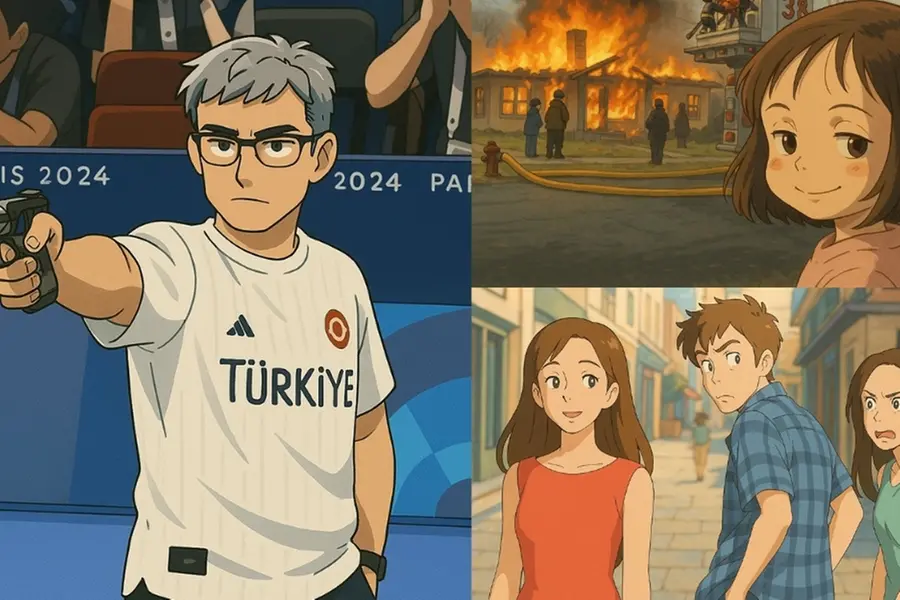
Digital privacy activists on X have raised concerns over OpenAI’s Ghibli-style AI art generator, alleging that it is a ploy to gain access to thousands of personal images for AI training. While the trend has gone viral, critics argue that users are unwittingly handing over fresh and unique facial data to OpenAI, potentially compromising their privacy.
According to activists, OpenAI’s data collection strategy is more than just an AI copyright issue—it allows the company to acquire voluntarily submitted images, bypassing legal restrictions that apply to web-scraped data. Under GDPR regulations, OpenAI must justify scraping images from the internet under “legitimate interest,” which requires additional safeguards. However, when users upload images themselves, they provide consent, giving OpenAI greater freedom to process the data.
Beyond this legal advantage, OpenAI gains access to new, unique photos, including personal and family images that may never have been publicly available online. Unlike social media companies, which may only see the AI-generated “Ghiblified” versions, OpenAI retains the original uploads.
What are the risks for users?
Activists warn that once users submit their photos, they lose control over how those images are used. While OpenAI’s privacy policy states that user inputs may be used for model training unless they opt out, the long-term implications remain unclear. Critics highlight several risks:
- Data breaches: Personal images could be leaked in the event of a security breach.
- AI misuse: Uploaded faces might be used to generate misleading or defamatory content.
- Commercial exploitation: User images could be repurposed for personalised ads or sold to third parties.
Is this different from other AI filters?
Some argue that the controversy is overblown, likening the Ghibli effect to common filters on platforms like TikTok and Snapchat. Unlike traditional AI-generated art, which creates entirely new images, OpenAI’s tool applies a stylised filter to an existing photo—similar to other digital effects users already accept. However, privacy advocates counter that the key difference lies in OpenAI’s ability to store and train on these images, rather than merely altering them for temporary use.
Should users be concerned?
While OpenAI has yet to address these concerns directly, privacy activists urge users to be cautious. They suggest that the excitement around AI-generated avatars is leading people to trade their privacy for entertainment, often without fully understanding the implications. As AI technology advances, the debate over data ownership and ethical AI use is likely to intensify.
Published: 30 Mar 2025, 11:15 am IST
Related Topics
Disclaimer: Kindly avoid objectionable, derogatory, unlawful and lewd comments, while responding to reports. Such comments are punishable under cyber laws. Please keep away from personal attacks. The opinions expressed here are the personal opinions of readers and not that of Mathrubhumi.
