
Most users are unlikely to think about any of this when they upload a picture for a quick AI makeover.
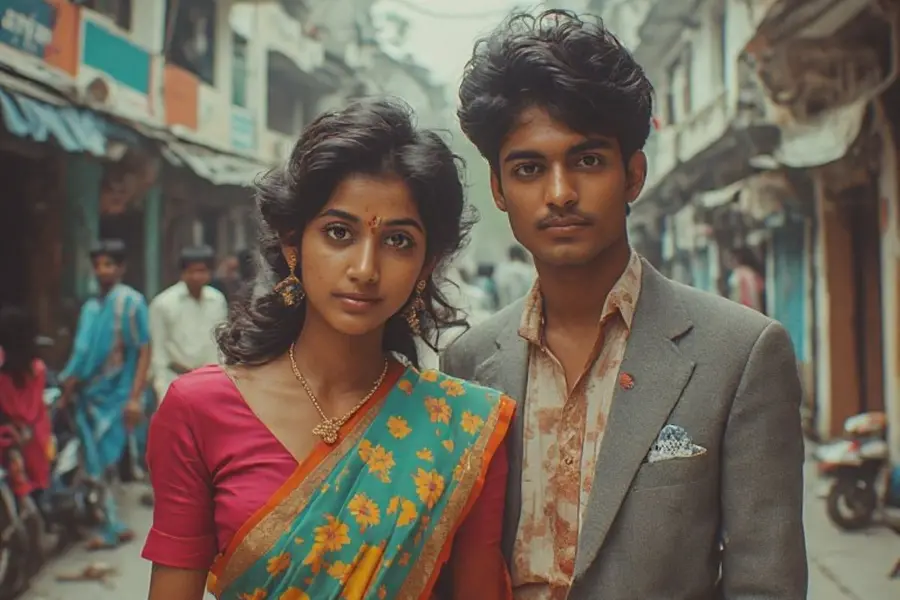
That 80s-style photograph of you on social media may look like harmless fun. But the original picture you uploaded could reveal much more than your face.
Thousands of people are turning to artificial intelligence tools to give their current photographs a retro makeover. Suddenly, modern clothes, hairstyles and backgrounds can look as though they belong to another decade.
Also Read

Some are creating solo portraits. Others are making vintage-looking pictures with their partners, friends or family members. The results are easy to share, and the trend is spreading quickly across social media.
It is not the first time an AI-powered craze has taken over people's feeds. Japanese animation filters and personalised caricature generators have previously attracted huge interest.
But this time, cybersecurity experts and police authorities are warning users to look beyond the finished picture.
The concern is not necessarily the retro image itself. It is what may happen to the original photograph and the personal information hidden inside it.
Your photograph may reveal more than you think
When someone uploads a high-resolution photograph to an AI tool, they are not simply handing over a face.
Look closely at an ordinary family photograph and there could be a child standing in the background. A house number may be visible. So could a vehicle registration plate, an official uniform, a street sign or another clue revealing where the picture was taken.
Some photographs can also contain hidden technical information, including location coordinates, details about the device used to take the picture and the time the photograph was captured.
Most users are unlikely to think about any of this when they upload a picture for a quick AI makeover.
That is where the privacy concern begins.
AI platforms process uploaded photographs and other information according to their individual privacy policies and terms of service. Some technology companies may retain images after the original request has been completed. Depending on the platform's policies, data may be used for purposes including model training and research, or shared with third-party service providers.
There is another detail users may overlook.
If the first AI-generated image does not look right, they may send another prompt explaining exactly what needs to be changed. They might describe their appearance, clothing, surroundings or the people in the photograph in greater detail.
With repeated interactions, those pieces of information can add up to a surprisingly detailed picture of an individual.
The bigger danger may be fake AI apps
The privacy concerns become more serious when users move away from established platforms and download unfamiliar applications or visit suspicious websites promising the latest viral filter.
Police investigations have found cases involving third-party AI applications that ask for permissions far beyond what is needed to edit a photograph.
An app that promises to turn your picture into an 80s portrait may ask for access to your camera, photo gallery, contacts or microphone. Some may also seek permission to run operations in the background.
Users can end up approving these requests without stopping to ask a simple question: why does a photo-editing app need all this access?
Some rogue applications can contain deceptive or malicious code designed to get around basic phone security measures.
Police officers have also identified cases involving keyboard fingerprinting code. Such code can monitor patterns such as typing speed and keystroke errors, potentially helping attackers understand or replicate a person's login behaviour.
Other malicious applications can install tracking cookies or code that continues to operate even after the application has been deleted.
One picture can become a digital identity
The problem does not necessarily end when the AI produces the finished portrait.
Personal photographs can potentially be combined with information available in public databases to build a wider picture of someone's digital footprint.
Facial features can also be extracted from photographs. Cybercriminals or data brokers could potentially use them to create unauthorised digital identities or malicious deepfakes.
In more serious cases, stolen personal profiles and sensitive images may be packaged and sold to data brokers or circulated on dark web forums.
The information can then be used for financial fraud, targeted extortion or surveillance.
There is a particularly troubling difference between a stolen password and stolen facial data.
A password can be changed.
Your face cannot.
How to enjoy AI trends more safely
None of this means people have to stop using AI tools altogether. But experts advise users to think before uploading personal photographs, particularly to unfamiliar services.
The safest option is to avoid sending original, high-resolution photographs to unknown AI applications. Users can instead experiment with generic text prompts to create artistic images without exposing their actual likeness.
If a real photograph has to be uploaded, a few precautions can reduce the amount of information being shared.
- Remove hidden metadata: Use an appropriate editing tool to remove GPS location information and device details from the image before uploading it.
- Check the background: Crop or blur house numbers, street signs, vehicle registration plates, identity cards and other sensitive details. Reflective windows and mirrors can also unintentionally reveal people or locations.
- Think before posting in real time: A photograph uploaded while travelling or attending a private event can reveal where you are at that moment.
The AI service itself also deserves a check before you upload anything.
Read its privacy settings and terms of service. Check what happens to uploaded photographs, how long they are retained and whether the service allows users to opt out of model training.
Where the option exists, users can also consider temporary chat sessions and clearing stored interaction histories.
Social media privacy settings matter too. Limiting who can view your photographs can make it harder for strangers or automated systems to scrape them.
What to do if something goes wrong
Sometimes, despite taking precautions, personal photographs or other information can end up in the wrong hands.
A user may notice suspicious activity, discover an unauthorised deepfake or become a victim of identity theft or cyber fraud. Acting quickly is important.
In India, victims of cybercrime can report incidents through the national cybercrime helpline by calling 1930.
They can also file an online complaint through the official National Cyber Crime Reporting Portal at https://cybercrime.gov.in/ and submit relevant evidence.
Cybersecurity experts advise users not to follow every social media trend simply because everyone around them is doing it.
That does not mean avoiding every new AI tool.
It means knowing what you are giving the tool before you press upload.
A retro photograph may disappear from your social media feed in a few days. The personal information contained in the original image could have a much longer life.
Published: 09 Sept 2026, 03:05 pm IST
Disclaimer: Kindly avoid objectionable, derogatory, unlawful and lewd comments, while responding to reports. Such comments are punishable under cyber laws. Please keep away from personal attacks. The opinions expressed here are the personal opinions of readers and not that of Mathrubhumi.