
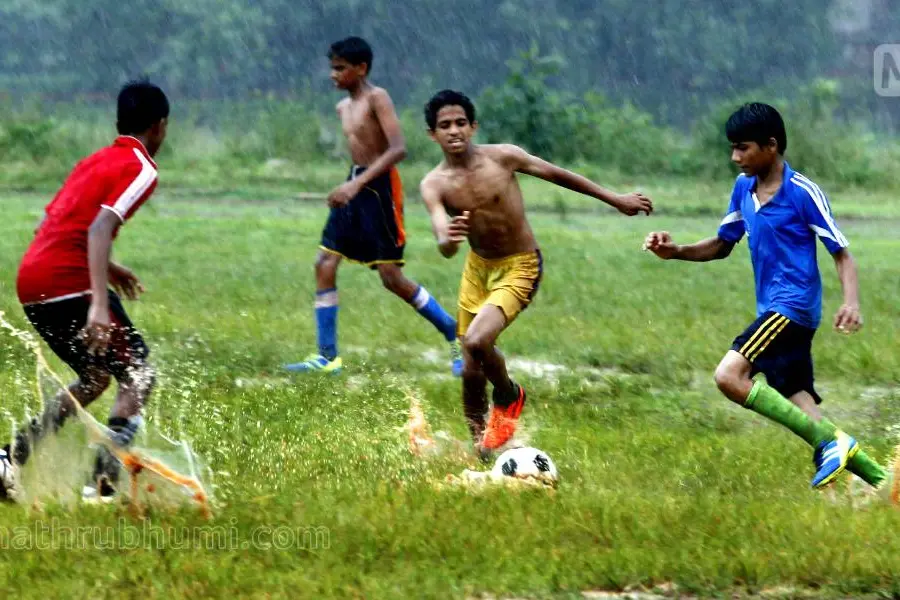
The Government of India has unveiled its Sports Budget for the fiscal year 2025-26, with a clear focus on nurturing young talent, enhancing sports infrastructure, and providing substantial support for athletes across the country. The budget outlines a robust financial commitment to strengthening the nation's sports ecosystem and fostering widespread grassroots participation. With a marked increase in funding, this budget reflects the government's growing ambition to elevate India's standing in global sports.
Overall Allocation for Youth Affairs and Sports
For the financial year 2025-26, the Ministry of Youth Affairs and Sports has been allocated ₹3,794.30 crore, comprising ₹3,788.49 crore under revenue expenditure and ₹5.81 crore under capital expenditure. This represents a substantial increase from the revised allocation of ₹3,232.85 crore in the 2024-25 budget. This increase signifies a dedicated effort to provide more resources for developing sports infrastructure, training facilities, and supporting youth engagement in sports. The budget reflects India's determination to foster a thriving sports culture and prepare future generations for excellence.
Also Read
Central Sector Schemes/Projects: Major Allocations
The allocation for Central Sector Schemes, which primarily fund initiatives aimed at developing sports infrastructure and supporting sports federations, has seen a sharp rise. The total amount dedicated to Central Sector Schemes for 2025-26 stands at ₹2,191.01 crore, up from ₹1,569.76 crore in the previous year, marking an increase of ₹621.25 crore. This significant hike demonstrates the government's resolve to bolster the sports ecosystem in the country.
Khelo India Programme: Leading the Charge in Sports Development
A central focus of the budget is the Khelo India Programme, which has received a boost with an allocation of ₹1,000 crore for the financial year 2025-26, an increase from ₹800 crore in 2024-25. The Khelo India Programme is the government's flagship initiative to identify and nurture sporting talent at the grassroots level. This increase in funding will help expand its reach, enhance infrastructure, and provide further opportunities for young athletes from across the nation.
Since its inception, the programme has made significant strides in promoting sports in schools, colleges, and villages, encouraging youth participation, and uncovering raw talent. The additional funding will likely strengthen training camps, competitions, and sports events, providing young athletes with the resources and exposure they need to compete at national and international levels.
Support for National Sports Federations: Increased Financial Aid
Financial assistance to National Sports Federations (NSFs) has been raised to ₹400 crore, marking a significant increase from ₹340 crore in 2024-25. These federations play a crucial role in managing various sports disciplines in the country, and this funding will ensure they have the necessary resources to support athletes and develop their respective sports. The additional funds will aid in organizing national-level competitions, training programs, and fostering better relationships between athletes and their governing bodies.
National Sports Development Fund: Steady Commitment
The National Sports Development Fund (NSDF), which supports various sports development initiatives, continues to receive ₹18 crore. While this figure remains unchanged from the previous year, the fund remains an important financial resource for providing scholarships, financial assistance, and support for sports organizations.
Incentives for Sportspersons: A Reduction Amidst Overall Growth
The budget for providing incentives to sportspersons has seen a reduction from ₹42.65 crore in 2024-25 to ₹37 crore in the current year. These incentives typically include cash awards and pensions for athletes who achieve outstanding performances. Although the reduction is significant, it is important to note that the government's focus appears to be shifting towards long-term athlete development and grassroots support rather than short-term incentives. It remains to be seen how this change will impact the morale of elite athletes.
Enhancement of Sports Facilities in Jammu & Kashmir
A notable highlight of the budget is the allocation of ₹20 crore for the enhancement of sports facilities in Jammu and Kashmir, a sharp rise from the ₹6 crore provided in 2024-25. This move aims to improve the region’s sports infrastructure, providing better facilities for local athletes, as well as increasing opportunities for youth engagement in sports. Given the strategic importance of Jammu & Kashmir, this investment underscores the government's commitment to fostering development in all corners of the country.

Support for Athletes and Sports Infrastructure
Apart from the major schemes and projects, the budget also allocates substantial funds to organizations that directly support athletes and manage sports infrastructure.
Sports Authority of India (SAI): A Crucial Pillar of Athlete Support
The Sports Authority of India (SAI), the apex body responsible for athlete training, development, and managing national camps, has received ₹830 crore in the 2025-26 budget, an increase from ₹815 crore in the previous year. SAI is integral to the development of sports in India, overseeing the training of athletes, the organization of national camps, and the management of key sporting facilities across the country.
This funding will help sustain and improve the training environment for athletes, ensuring that they have access to state-of-the-art facilities, coaching, and medical support as they prepare for international competitions.
National Sports University: A Decline in Funding
While most sports-related bodies have seen increased allocations, the National Sports University in Manipur has experienced a significant reduction in funding. The university, which was established to develop sports science education and training, has been allocated just ₹63.72 crore for 2025-26, a sharp drop from ₹189.09 crore in the previous year. This decline may raise concerns about the long-term sustainability of sports education and research in India. The government’s decision to reduce funding for the university highlights the need for a balanced approach to sports development that includes both physical infrastructure and academic institutions.
National Centre for Sports Science and Research: A Modest Increase
The National Centre for Sports Science and Research (NCSSR), an institute dedicated to sports science research and innovation, has seen a slight increase in its budget allocation, receiving ₹10 crore, up from ₹8 crore in 2024-25. This increase aims to support research that can enhance athletes' performance, improve training techniques, and contribute to the overall growth of sports science in India.
Youth Development and Engagement
In addition to supporting athletes, the budget also provides significant funding for youth engagement and development programs.
Nehru Yuva Kendra Sangathan (NYKS): A Modest Increase
The allocation for the Nehru Yuva Kendra Sangathan (NYKS), an organization focused on youth development through various social programs, has been increased slightly to ₹423.50 crore, up from ₹412 crore in 2024-25. NYKS plays a key role in providing young people with opportunities to engage in community service, leadership development, and social initiatives, fostering a sense of responsibility and active citizenship.
Mera Yuva Bharat (MYB): Boost in Funding
The Mera Yuva Bharat (MYB) initiative, which aims to provide youth with opportunities for engagement in sports and other activities, has seen its budget increased to ₹82.48 crore, up from ₹74.76 crore. This increase will help enhance youth involvement in sports and community development projects, providing platforms for young people to showcase their skills.
National Service Scheme (NSS): A Landmark Hike
The National Service Scheme (NSS), which engages youth in community service and social work, has witnessed a massive increase in funding, with ₹450 crore allocated for 2025-26, a ₹200 crore rise from the previous year. This hike signals a strong commitment to engaging youth in nation-building activities, including sports-related community service initiatives that promote health, wellness, and social responsibility.
Comparative Budget Growth: A Step Towards a Sporting Nation
The 2025-26 Sports Budget reflects an overall increase of ₹352 crore compared to the 2024-25 revised estimates of ₹3,232.85 crore. The allocation growth emphasizes the government's focus on:
- Enhancing grassroots sports participation, encouraging youth to take up sports and excel in them.
- Developing infrastructure and training facilities, ensuring athletes have access to the best resources.
- Strengthening the role of sports federations, ensuring better support for athletes across disciplines.
- Improving financial incentives for athletes, ensuring recognition of their efforts.
Challenges and the Road Ahead
Despite the overall increase in funding, there are challenges to be addressed. Notably, certain areas such as the National Sports University and Incentives for Athletes have seen reductions. Efficient utilization of funds and the timely development of infrastructure will be crucial in ensuring the long-term success of these initiatives.
The significant investment in Khelo India and NSS highlights the government's recognition of the importance of grassroots development and youth engagement in sports. However, effective execution and accountability will remain key to determining the success of these initiatives.
As India eyes participation in upcoming international events such as the 2026 Commonwealth Games, this budget lays a strong foundation for the country’s aspirations to become a global sporting powerhouse. With the right focus on athlete development, infrastructure, and youth participation, India is poised for a brighter sporting future. (With inputs from Agencies)
Published: 01 Feb 2025, 09:00 pm IST
Related Topics
Disclaimer: Kindly avoid objectionable, derogatory, unlawful and lewd comments, while responding to reports. Such comments are punishable under cyber laws. Please keep away from personal attacks. The opinions expressed here are the personal opinions of readers and not that of Mathrubhumi.