
With pre-season testing in Bahrain (Feb 11-13) looming, the FIA is under immense pressure to finalise the measurement protocols
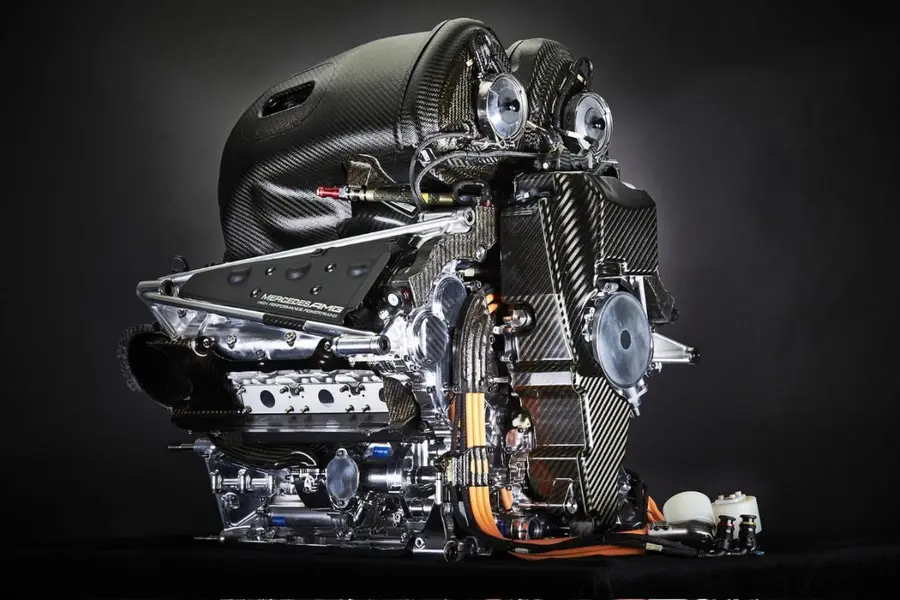
A high-stakes "engine war" has erupted within the Formula 1 paddock as manufacturers scramble to master radical 2026 regulations, with several teams now calling for an emergency rules intervention just weeks before the season opener in Melbourne.
The conflict centres on a technical loophole regarding compression ratios that rivals claim has handed Mercedes a massive, and potentially season-defining, power advantage.
Also Read

The "Ambient" Controversy
The 2026 regulations mandate a maximum compression ratio of 16:1, a decrease from the previous 18:1, designed to accommodate new 100% sustainable fuels. However, Article C5.4.3 of the technical code specifies that this ratio is checked at "ambient temperature" (i.e., when the engine is cold in the garage).
The Allegation: Rivals, led by Ferrari, Audi, and Honda, assert that Mercedes has engineered pistons and cylinders using advanced alloys and additive manufacturing that expand significantly under operational heat.
●The "Trick": While the engine is compliant when cold, it allegedly expands to an 18:1 ratio on track.
●The Gain: Technical analysts estimate this "thermal expansion trick" provides an extra 15–20 horsepower, translating to a massive 0.3 seconds per lap.
The FIA Intervention
The Power Unit Advisory Committee met this week following formal complaints. While the FIA initially confirmed that both Mercedes and Red Bull Ford were "compliant with the letter of the current static test," the governing body is now reportedly reviewing a proposal to introduce hot-compression spot checks using in-car sensors.
Mercedes boss Wolff has dismissed the uproar, characterising the complaints as frustration from teams that failed to innovate. "The regulations are explicit," Wolff stated at the team's launch. "Others need to get their acts together."
The Broader Technical Shift
The 2026 "Engine War" is defined by a total philosophical reset of the Formula 1 power unit:
● The 50/50 Split: F1 is ditching the MGU-H (heat recovery) to simplify the units. Power will now be split nearly evenly between the V6 internal combustion engine (~400kW) and a massive tripled electrical output (~350kW).
●"Override Mode": To replace the traditional DRS logic, a new manual "boost" button will allow drivers to deploy full electrical energy at high speeds (above 290 km/h) to facilitate overtakes.
●Cost Cap Constraints: Unlike previous eras, manufacturers cannot simply "outspend" their way out of a deficit; additional engine development now falls directly under the strict F1 Financial Regulations.
| Manufacturer | Status | Narrative |
| Mercedes | Target | The early favourite, accused of exploiting thermal loopholes. |
| Red Bull Ford | In-House | First-ever home-grown engine; rumoured to have explored similar tech. |
| Ferrari/Audi | Protesters | Leading the charge to change the testing procedure before Melbourne. |
| Honda | Returning | Partnering with Aston Martin, prioritising battery efficiency. |
Timeline to Melbourne
With pre-season testing in Bahrain (Feb 11-13) looming, the FIA is under immense pressure to finalise the measurement protocols. If a "hot test" is not implemented by the March 8 Australian Grand Prix, rivals fear the 2026 championship could be decided before the first lights go out.
Published: 07 Feb 2026, 02:46 pm IST
Related Topics
Disclaimer: Kindly avoid objectionable, derogatory, unlawful and lewd comments, while responding to reports. Such comments are punishable under cyber laws. Please keep away from personal attacks. The opinions expressed here are the personal opinions of readers and not that of Mathrubhumi.