
As India celebrates the rise of women in sport — from cricket fields to boxing rings — it’s time to rethink the words we use. Behind every medal, match and milestone lies a battle not just against opponents, but against stereotypes. Here are ten things no female sportsperson should ever have to hear again.
When Jemimah Rodrigues stepped onto the field this season, there was an electricity in the air. Every shot she played carried confidence, joy, and a message: women’s cricket has arrived — not as an afterthought, but as a movement.
Rodrigues isn’t just scoring runs; she’s rewriting narratives. For years, women’s cricket in India was played in silence — no endorsements, no live telecasts, barely any headlines. It took the sheer grit of pioneers like Mithali Raj and Jhulan Goswami to build the foundation on which today’s stars, including Jemimah, stand tall.
Now, the cheers are louder, the spotlight brighter. Yet, behind every cheer still lurks a whisper — the one that questions, judges, or undermines.
Why? Because even as women’s cricket surges ahead, the casual sexism that surrounds female athletes hasn’t quite retired.
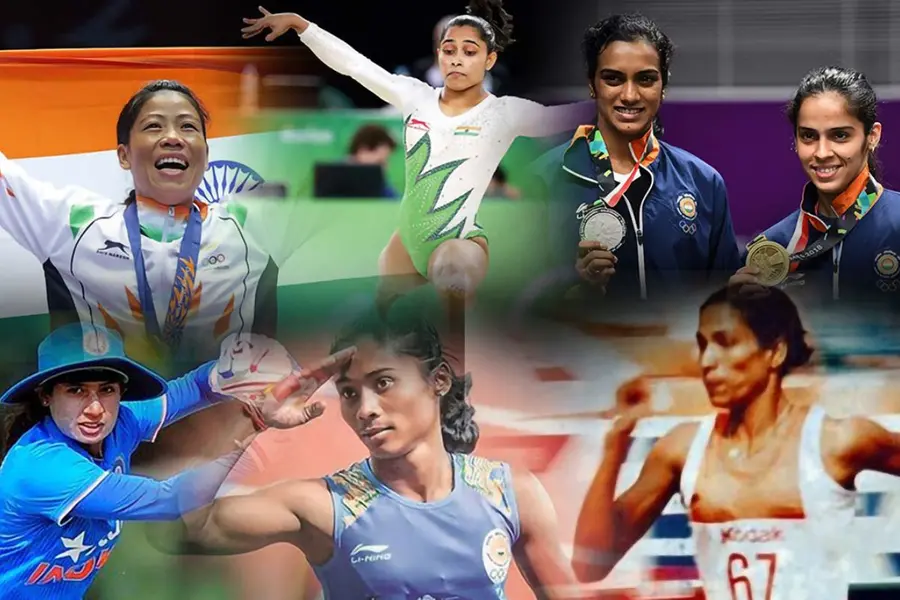
And not just in cricket — from PV Sindhu’s podium to Nikhat Zareen’s ring, from Rani Rampal’s turf to Mirabai Chanu’s platform — India’s sportswomen continue to face comments that men rarely hear.
It’s time to call them out.
Here are 10 things you should never say to a female sportsperson — because every one of them reduces her game to your bias:
- “You play well for a girl.”
- “Won’t sports make you too muscular or dark?”
- “So, when will you settle down?”
- “Women’s matches aren’t as exciting, are they?”
- “You must be quite tomboyish to play that sport.”
- “You think you could beat a man at this?”
- “Tone down your celebration — it’s not ladylike.”
- “You’re getting attention only because women’s sports are trending.”
- “Your outfit is too revealing / too masculine.”
- “Sports is great, but don’t forget — family comes first.”
Every time a female athlete hears one of these lines, it chips away at the respect she’s earned, the discipline she’s built, and the power she embodies.
So, as Jemimah Rodrigues continues to inspire a generation of girls to dream bigger and swing harder, perhaps it’s time we — the spectators, the commentators, the so-called well-wishers — learned a new language of respect.
Because women in sport don’t need your validation. They need your applause — without conditions.
Published: 01 Nov 2025, 12:34 pm IST
Related Topics
Disclaimer: Kindly avoid objectionable, derogatory, unlawful and lewd comments, while responding to reports. Such comments are punishable under cyber laws. Please keep away from personal attacks. The opinions expressed here are the personal opinions of readers and not that of Mathrubhumi.
