
This "Survival of the Scrappers" format allows underperforming powerhouses, like Croatia, a second chance at glory.
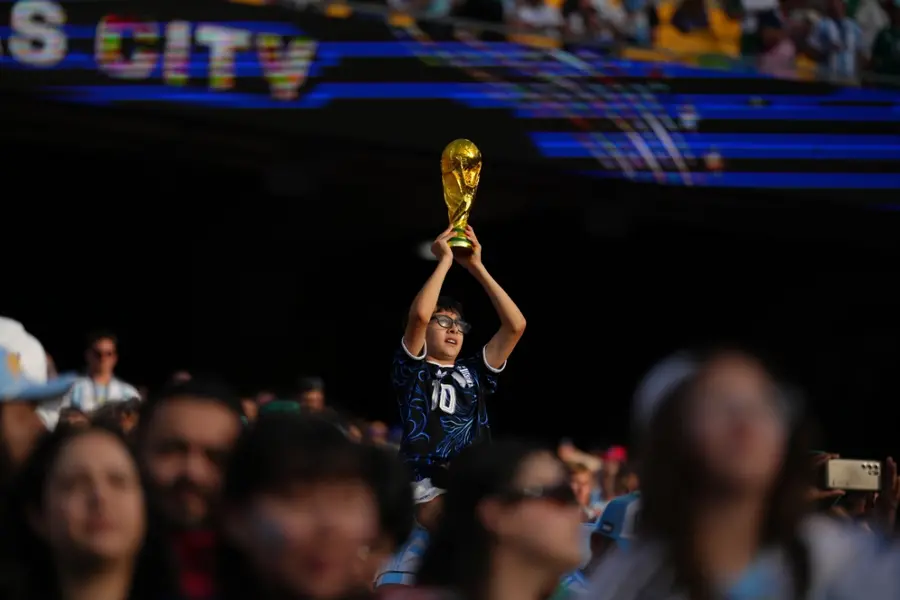
The expansion of the 2026 FIFA World Cup to a 48-team format was heavily debated for altering the traditional competitive balance of international football. Now, as the group stage reaches its dramatic conclusion, the implementation of a new tournament regulation is set to unleash unprecedented knockout chaos. For the first time in World Cup history, finishing third in a group no longer guarantees elimination, creating a loophole that could pave the way for an unseeded powerhouse to lift the trophy.
ALSO READ: 2026 World Cup Sets Red Card Record
The Mathematics of the Loophole
The revamped format features 12 groups of four teams. While the top two nations from each group gain automatic entry into the newly introduced Round of 32, they are joined by the eight best third-placed sides. This system rewards teams that survive highly inconsistent group campaigns, giving them a fresh platform to re-establish their title credentials.
The current tournament standings show that while five points guarantee safety, sub-par performances have left several elite footballing nations sweating over their qualification status.
ALSO READ: Why so many goals? FIFA's new ball under spotlight
Croatia’s Stumble and Lethal Renaissance
Among the heavyweights currently navigating this perilous territory are Croatia. Renowned as modern tournament specialists after finishing as runners-up in 2018 and capturing third place in 2022, the Balkan nation has endured a highly turbulent start in Group L.
Croatia’s campaign commenced in disastrous fashion under the tactical weight of Thomas Tuchel’s England, who dismantled the Croatian defence in a thrilling 4-2 victory. Facing immediate jeopardy, Croatia managed to stabilise their position in their second fixture, grinding out a vital 1-0 win against a resilient Panama side.
Croatia currently sit third in Group L with three points and a -1 goal difference. This places them provisionally third in the race for the eight golden tickets to the knockouts, safely above the elimination line but structurally categorised as an unseeded threat.
ALSO READ: The Group F curse at FIFA World Cup: 44 years without a winner
A Nightmare for Group Winners
The structural flaw of the expanded format is that finishing third strips a team of its seeded protection but keeps its elite quality intact. Powerhouses like Croatia, having finished their group stage fixtures, enter the Round of 32 as incredibly dangerous floaters.
Top-seeded group winners, who earned their status through flawless initial performances, now face the highly penalised prospect of drawing an experienced, star-studded giant in the very first knockout round. As the final group games wrap up, the "Survival of the Scrappers" rule ensures that the path to World Cup glory has never been more unpredictable or chaotic.
Published: 24 Jun 2026, 11:49 pm IST
Related Topics
Disclaimer: Kindly avoid objectionable, derogatory, unlawful and lewd comments, while responding to reports. Such comments are punishable under cyber laws. Please keep away from personal attacks. The opinions expressed here are the personal opinions of readers and not that of Mathrubhumi.
