
Every kick tells a story. Behind millions of footballs used across streets, schools, clubs and World Cup stadiums lies a century-old industry in Pakistan’s Sialkot, a city that quietly powers the global game.
Every football has a story before it reaches the pitch. Long before a goal is scored or a trophy is lifted, many of the world's footballs are crafted in a single Pakistani city - Sialkot.
Often referred to as the "Football Factory of the World," Sialkot produces nearly 70 percent of all footballs used globally. From training balls used in schools and local clubs to those featured at the biggest tournaments, the city's influence on the sport is difficult to match.
Sialkot's football-making tradition dates back more than a century. What began as a local craft of repairing footballs gradually evolved into a major export industry. Today, Pakistan exports around 40 million footballs annually, with Sialkot serving as the industry's centre.
Despite advances in manufacturing technology, much of the work still relies on skilled craftsmanship. Workers hand-stitch football panels, apply colours and logos, and inspect finished products before they are shipped worldwide. Learning the craft can take month and experienced stitchers typically complete around four footballs a day.
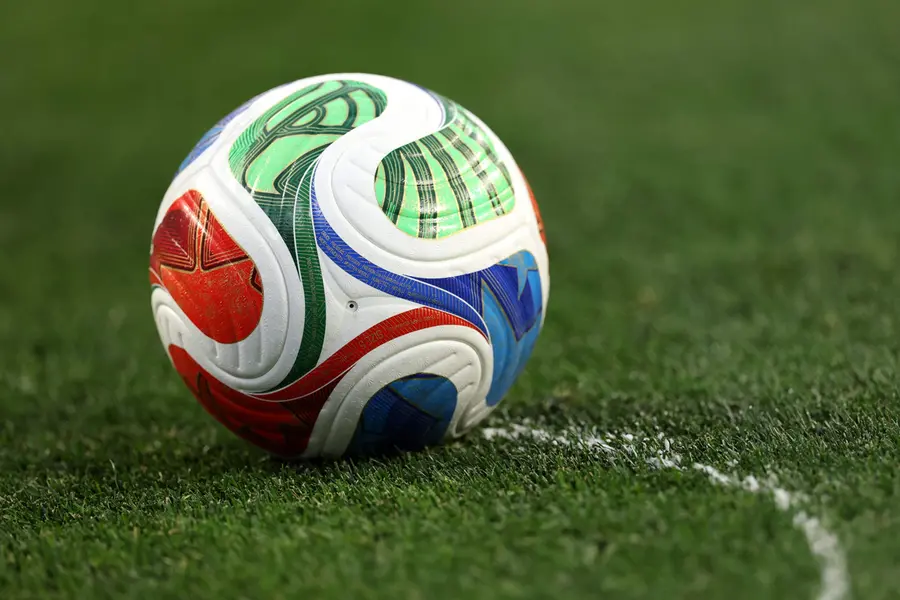
The city's importance extends all the way to football's biggest stage. Since 1982, official FIFA World Cup match balls have been produced in Sialkot. The tradition continues with the 2026 FIFA World Cup, whose official match ball, "Trionda," was manufactured in the city. The ball's design reflects the tournament's three host nations: the United States, Mexico and Canada.
A major contributor to Sialkot's global success is Forward Sports, founded in 1991 by engineer Khawaja Masood Akhtar. What started with just 50 employees grew into one of the world's leading football manufacturers.
The company's breakthrough came in 1994 when it partnered with Adidas, opening doors to international markets. Since 2014, Forward Sports has been responsible for producing official World Cup match balls.
Creating a World Cup ball is a highly specialised process. Development can take three to four years, with strict testing to meet FIFA standards. Manufacturers assess everything from seam precision and roundness to durability and performance in different weather conditions. Some balls undergo repeated impact testing, being fired against walls hundreds of times to ensure consistency.
Yet World Cup balls make up only a small portion of Sialkot's production. Most footballs leaving the city are training and recreational balls destined for players of all ages across the globe.
Swiss photographer Stefan Bohrer recently documented the city's football industry and was struck by its scale.
“The sheer scale of football production in Sialkot is astonishing. Knowing that around 300,000 balls leave these factories every day makes you pause and wonder where they all end up," he told Talk to the Press.
Bohrer highlighted football's ability to connect people across continents, adding: “Yet football is a truly global language. These balls will be kicked, shared, and celebrated by millions of people around the world, carrying with them the passion of the game and the craftsmanship of the people who make them.”
He also reflected on the journeys these footballs will take after leaving the factory floor: “Standing there, watching this enormous production process, I realized that each ball is destined for a different story somewhere in the world – from a dusty street pitch to the next World Cup Champions.”
The industry's growth has also been driven by workforce inclusion. Speaking to Muslimnetwork.tv, Akhtar said: “One of the most important reasons behind our growth has been our focus on empowering women. Some of the finest football stitching and manufacturing work has been carried out by women workers.”
While football's biggest stars often dominate headlines, Sialkot remains one of the sport's most important behind-the-scenes success stories. Every day, hundreds of thousands of footballs leave the city, carrying with them decades of craftsmanship and helping fuel the world's most popular game.
Published: 16 Jun 2026, 02:05 pm IST
Related Topics
Disclaimer: Kindly avoid objectionable, derogatory, unlawful and lewd comments, while responding to reports. Such comments are punishable under cyber laws. Please keep away from personal attacks. The opinions expressed here are the personal opinions of readers and not that of Mathrubhumi.
