
Thousands of empty seats at Guadalajara's Estadio Akron intensified scrutiny of FIFA's controversial ticket pricing model, as legal probes and fan outrage grow.
Thousands of empty red seats at Guadalajara's Estadio Akron told their own story on Thursday night, even as South Korea edged the Czech Republic 2-1 in a gripping Group A clash at the 2026 FIFA World Cup.
The football was compelling; the stands were not, a visual symbol of a tournament build‑up dominated less by tactics and team news than by anger over ticket prices, opaque ‘dynamic pricing’ and investigations by US prosecutors into FIFA's sales practices.
South Korea's comeback win, sealed by Oh Hyeon‑gyu after earlier goals from Ladislav Krejci and Hwang In‑beom, unfolded in front of thousands of visibly empty seats in Guadalajara, despite the World Cup’s reputation for sell‑outs.
Fans from both nations generated a lively atmosphere, but television images showed large blocks of unoccupied red chairs scattered around the stadium, fuelling questions about whether supporters have simply been priced out.
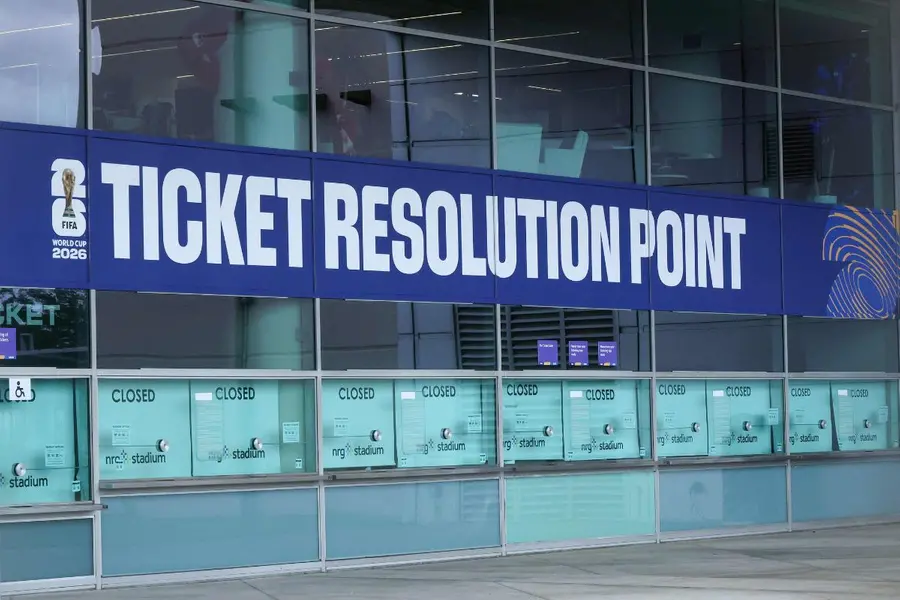
Those optics come as FIFA grapples with what some outlets have described as a ‘seat‑filling crisis’, with around 180,000 tickets still listed on official resale platforms just days before kick‑off.
Reports say aggressive pricing, a staggered batch‑release model and a flooded official resale marketplace have left tens of thousands of seats unsold across the tournament's 104 matches, despite FIFA's claim that it received more than 500 million booking requests in early sales phases.
How we got here: dynamic pricing, soaring finals tickets
At the heart of the row is FIFA's first‑ever use of "dynamic" or variable pricing for a World Cup, allowing ticket prices to move in real time based on demand, inventory and perceived event popularity.
In theory, dynamic pricing is presented as a market‑driven tool; in practice, fans say it has turned buying a ticket into ‘a gauntlet of confusion, fake scarcity and exorbitant prices’, in the words of New Jersey attorney general Jennifer Davenport.
Official figures and media analyses show how steep the climb has been:
* Group‑stage tickets were listed from around 140 Dollars.
* Regular seats for the final at MetLife Stadium, outside New York, initially topped out near 8,680 Dollars, with hospitality packages offered at up to 73,200 Dollars.
* In subsequent pricing rounds, FIFA raised certain final tickets to 10,990 Dollars and then to about 32,970 Dollars in premium categories.
Some standard final tickets on the marketplace have been reported at around 5,785 Dollars, with outliers in five‑figure territory as dynamic pricing and resale listings interacted.
By comparison, at the Qatar 2022 World Cup, official ticket prices ranged from roughly 69 to 1,607 Dollars across categories, highlighting how sharply the 2026 tournament has broken with precedent.
Under pressure, FIFA has quietly tried to cushion the backlash by offering a limited pool of cheaper tickets. President Gianni Infantino said around 130,000 tickets at 60 Dollars each were made available to national federations for ‘regular supporters’.
He also insists that, across all matches and categories, the average ticket price is below 500 Dollars and ‘comparable’ to other US sports playoffs – a comparison that critics say conflates face‑value and resale prices.
Independent numbers cited in US media paint a different benchmark: recent World Series tickets have averaged 350–400 Dollars, NFL playoff tickets around 230–450 Dollars, and Super Bowl seats about 3,300 Dollars – all below what many fans are seeing on the World Cup's official platforms for high‑demand games.
Legal probes and political pressure in the US
The controversy has now moved beyond social media outrage into the realm of law enforcement.
In late May, New York Attorney General Letitia James and New Jersey Attorney General Jennifer Davenport subpoenaed FIFA, opening a joint investigation into ticket pricing, variable pricing practices and the accuracy of seat information for the 2026 tournament.
Their inquiries focus on several key issues:
* Why face‑value prices for many matches and categories have ‘significantly surpassed’ those of any previous World Cup.
* How FIFA’s rolling ticket releases and public communications may have contributed to price surges and perceptions of artificial scarcity.
* Allegations that some fans were misled about the locations of seats they were purchasing.
* The mechanics of dynamic pricing and whether it constitutes “artificial price inflation” or deceptive practice under US consumer‑protection law.
Press reports cited in the subpoenas indicate that between October 2025 and April 2026, FIFA raised ticket prices for more than 90 of the tournament's 104 matches, with the three main categories seeing average increases of about 34%.
Attorneys general in California and Texas have also signalled interest in the issue, widening the legal perimeter around FIFA’s ticketing strategy.
Infantino: ‘We are very relaxed’
Facing a rare and extended question‑and‑answer session with reporters on the eve of the opener, Gianni Infantino defended both the price levels and the dynamic pricing model, while downplaying the legal probes.
He argued that the World Cup is ‘a bigger event’ than the NBA Finals or other US championships, which themselves have sky‑high tickets, particularly for marquee series like the New York Knicks vs San Antonio Spurs.
He further said that FIFA had worked with ‘the best lawyers, the best experts” before selling ‘six and a half or seven million tickets’, and that if FIFA was doing something wrong, then everyone selling tickets in North America is doing something wrong.
Fans complain of confusion, ‘fake scarcity’ and resale flood
For many supporters, the anger is not just about headline prices, but the experience of trying to buy.
Fan groups and consumer advocates described opaque online queues, with little clarity over waiting times, price bands or the final amount that will be charged if a purchase succeeds.
There was also confusion over the boundary between face‑value sales and resale, as both are channelled through FIFA‑linked platforms under a single brand.
Some critics accused FIFA of engineering a ‘horrible management’ of ticket releases, saying that by late May the official resale marketplace was flooded with tickets, including many for group games in less glamorous host cities, at prices that ordinary fans simply could not afford.
That dynamic, they argue, has proved self‑defeating: even as FIFA trumpets record demand and booking requests, empty sections in stadiums like the Estadio Akron suggest that flexible pricing has overshot what the market will bear in practice.
Published: 12 Jun 2026, 12:08 pm IST
Related Topics
Disclaimer: Kindly avoid objectionable, derogatory, unlawful and lewd comments, while responding to reports. Such comments are punishable under cyber laws. Please keep away from personal attacks. The opinions expressed here are the personal opinions of readers and not that of Mathrubhumi.
