
From stunning underdog stories and superstar brilliance to VAR controversies and record crowds, the 2026 FIFA World Cup had everything.
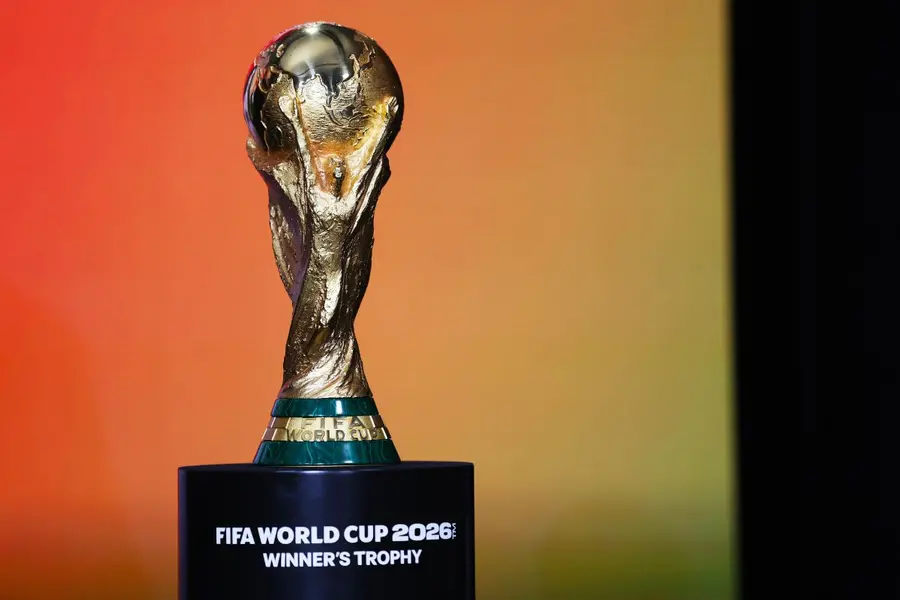
The curtain came down on the 2026 FIFA World Cup after a record-breaking tournament that stretched across the United States, Mexico and Canada, with 104 matches making it the biggest edition in the competition's history.
While the expanded 48-team format was initially met with skepticism, the tournament delivered unforgettable upsets, breakout stars, thrilling knockouts and intense debates over technology, ticket prices and politics. Traditional powerhouses still dominated the latter stages, but several emerging nations proved they belonged on football's biggest stage.
Major takeaways from the 2026 FIFA World Cup
48-team format proves its worth
- Newcomers Cape Verde, Congo and Curaçao emerged as surprise packages.
- Cape Verde reached the Round of 32 and pushed Argentina to extra time, while veteran goalkeeper Vozinha became one of the tournament's breakout stars.
- Despite the expanded field, Argentina, Spain, France and England, all former champions, occupied the semifinal spots.
Superstars delivered on the biggest stage
- Kylian Mbappé led the Golden Boot race with 10 goals before the final and extended his World Cup tally to a record 22 goals.
- Lionel Messi added eight goals to take his World Cup total to 21 entering the final.
- Erling Haaland, Harry Kane and Jude Bellingham also starred, while Cristiano Ronaldo bowed out after what he called his final World Cup.
- Spain's teenage sensation Lamine Yamal overcame injury to make a strong impact.
VAR and technology sparked fresh controversy
- Several crucial goals were ruled out through VAR and semi-automated offside technology.
- Egypt and Croatia were among the teams left frustrated by contentious decisions.
- Croatia coach Zlatko Dalić criticised technology for 'taking the joy out of football' before stepping down after the tournament.
Ticket pricing remained a major talking point
- General sale tickets ranged from $140 to $2,735 during the group stage and climbed to $8,680 for the final.
- FIFA's resale platform also drew criticism after some final tickets were listed for nearly $2.3 million.
- Despite complaints, stadiums were packed for most matches.
Hydration breaks divided opinion
- FIFA introduced mandatory hydration breaks midway through each half.
- Fans booed the stoppages, while critics argued they resembled timeouts and disrupted the flow of matches.
- Coaches used them for tactical discussions, and broadcasters utilised them for commercial breaks.
Politics overshadowed parts of the tournament
- Iran's participation remained under scrutiny amid Middle East tensions.
- VISA restrictions and travel limitations involving the Iranian delegation drew criticism.
- US President Donald Trump also triggered controversy after revealing he had contacted FIFA president Gianni Infantino regarding Folarin Balogun's suspension, though FIFA denied any political influence over disciplinary decisions.
Fans turned out in record numbers
- Attendance improved significantly after a slow start, with packed stadiums becoming the norm.
- Many international supporters praised the hospitality across the three host nations.
The 2026 FIFA World Cup ultimately combined elite football with unforgettable underdog stories, while also exposing debates around technology, governance, commercialisation and politics that are likely to shape future editions of the tournament.
Published: 19 Jul 2026, 03:51 pm IST
Related Topics
Disclaimer: Kindly avoid objectionable, derogatory, unlawful and lewd comments, while responding to reports. Such comments are punishable under cyber laws. Please keep away from personal attacks. The opinions expressed here are the personal opinions of readers and not that of Mathrubhumi.
