
Indian cricketers Yashasvi Jaiswal and Shafali Verma have landed in anti-doping trouble after NADA recorded “missed tests” against them over alleged whereabouts failures. The duo now face intense scrutiny as repeated violations could trigger lengthy suspensions.
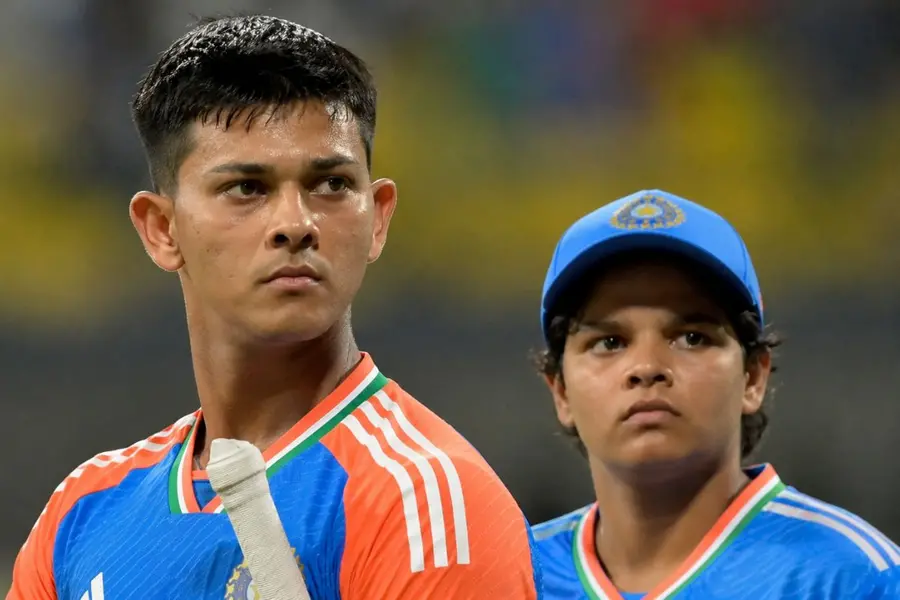
Indian cricket has been jolted by a fresh anti-doping controversy after the National Anti-Doping Agency (NADA) issued notices to young stars Yashasvi Jaiswal and Shafali Verma over alleged “whereabouts failures” linked to dope testing obligations.
Both cricketers are part of NADA’s Registered Testing Pool (RTP), a category reserved for elite athletes who are required to regularly update their location details and provide a fixed one-hour daily slot for out-of-competition drug testing.
According to multiple reports, including PTI, Shafali Verma was reportedly unavailable when Doping Control Officers (DCOs) arrived to collect her sample on November 7, 2025. Weeks later, on December 17, 2025, Yashasvi Jaiswal too was allegedly not found at the location he had declared for testing.
The matter escalated further after NADA reportedly sought explanations from both players in February 2026 but received no response.
The anti-doping body has now officially marked the incidents as “missed tests” and informed both the Board of Control for Cricket in India (BCCI) and the International Cricket Council (ICC).
Sources say the two players have now been handed a final seven-day window to explain their absence before further action is considered.
Under anti-doping rules, athletes in the RTP must remain available at the exact place and time they themselves declare for surprise testing.
Failure to be present during that designated slot is treated as a serious compliance breach, even if no banned substance is detected.
At present, this counts as the first strike for both Jaiswal and Shafali. However, anti-doping regulations clearly state that three whereabouts failures, including missed tests or filing errors, within a rolling 12-month period can amount to an Anti-Doping Rule Violation (ADRV).
If found guilty of such a violation and unable to provide sufficient justification, athletes can face suspension from the sport for up to two years.
The controversy has also revived memories of Prithvi Shaw’s 2019 doping case. Shaw was handed a backdated eight-month suspension after testing positive for Terbutaline, a prohibited substance that the BCCI said had entered his system through a cough syrup during the Syed Mushtaq Ali Trophy campaign.
For now, neither Jaiswal nor Shafali has been accused of consuming banned substances. But with NADA tightening its grip on compliance rules, the two rising stars of Indian cricket suddenly find themselves under intense scrutiny.
Published: 09 May 2026, 01:11 pm IST
Related Topics
Disclaimer: Kindly avoid objectionable, derogatory, unlawful and lewd comments, while responding to reports. Such comments are punishable under cyber laws. Please keep away from personal attacks. The opinions expressed here are the personal opinions of readers and not that of Mathrubhumi.
