
When Sachin Tendulkar called himself an “actor,” not a “cricketer,” he turned a tax tangle into a ₹58 lakh victory.
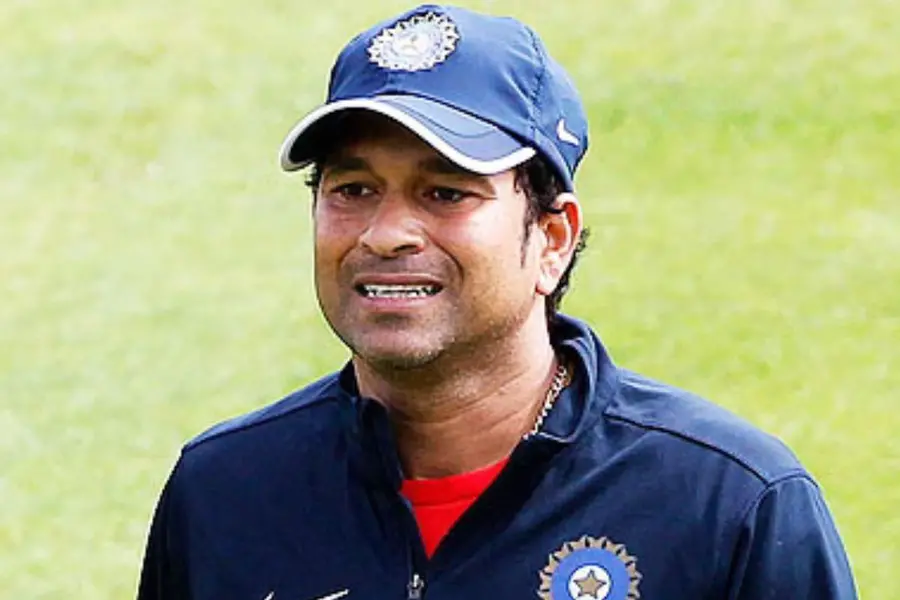
A fascinating chapter from Sachin Tendulkar’s financial playbook has resurfaced — one where the cricket legend briefly turned “actor” to save ₹58 lakh in income tax.
In a viral post on X (formerly Twitter), Sujit Bangar, founder of Taxbuddy.com, recounted how Tendulkar’s smart interpretation of the law became a textbook example for freelancers and creative professionals on how to use the Income Tax Act to their advantage.
According to Bangar, the episode dates back to 2002–03, when Tendulkar earned ₹5.92 crore in foreign income through endorsements for brands like Pepsi, Visa and ESPN.
Instead of classifying this as his income from cricket, Tendulkar declared it as earnings from his work as an “actor” — and claimed a 30% deduction under Section 80RR of the Income Tax Act, 1961.
Section 80RR allows artists, writers, musicians, actors and other creative professionals to claim deductions on foreign earnings derived from their artistic performances.
“The genius was in one word,” Bangar wrote. “Sachin didn’t call himself a cricketer — he called himself an actor. That single word changed everything.”
However, the assessing officer (AO) wasn’t convinced. “You’re a cricketer; endorsements are incidental,” the AO argued, classifying the income as “Other Sources” and disallowing the deduction.
Tendulkar defended his claim, stating that performing in advertisements and TV commercials required acting and modelling skills, which qualified him as an “actor” under the Act.
The case reached the Income Tax Appellate Tribunal (ITAT), which faced an unusual question: could a sportsperson also be an actor for tax purposes?
The ITAT’s ruling would go on to set an important precedent. It held that the term “actor” should be interpreted broadly — to include any performance involving skill, imagination and, creativity for aesthetic output, such as modelling or appearing in television ads.
In essence, the tribunal concluded that Tendulkar had two professions: one as a cricketer and another as an actor. Therefore, his foreign endorsement income legitimately arose from the latter.
In the end, the ITAT ruled in Tendulkar’s favour, allowing him a full ₹1.77 crore deduction under Section 80RR. As Bangar summed it up: “The artistic performance, not cricket, was the basis of his claim.”
For millions of professionals and freelancers, Tendulkar’s case remains an eye-opening lesson — that understanding the fine print of tax law, coupled with a touch of creativity, can sometimes deliver a masterstroke off the field.
Published: 30 Oct 2025, 01:52 pm IST
Related Topics
Disclaimer: Kindly avoid objectionable, derogatory, unlawful and lewd comments, while responding to reports. Such comments are punishable under cyber laws. Please keep away from personal attacks. The opinions expressed here are the personal opinions of readers and not that of Mathrubhumi.
