
Mohammad Amir criticises PCB fines after T20 exit, demands accountability from selectors.
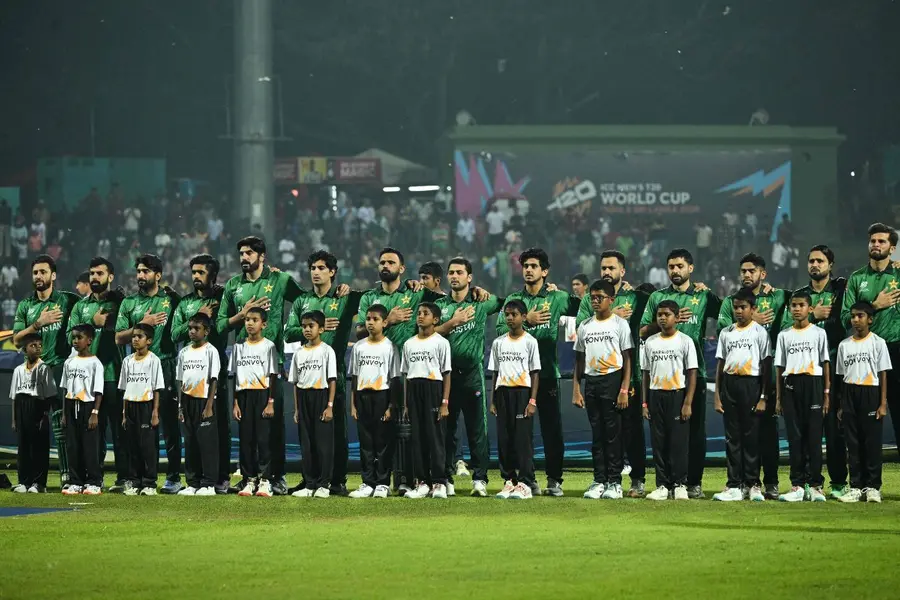
Former Pakistan fast bowler Mohammad Amir has strongly criticised the Pakistan Cricket Board (PCB) for penalising players after the national side’s Super 8 exit at the 2026 T20 World Cup, urging chairman Mohsin Naqvi to refrain from making cricketers the sole targets of blame.
Media reports stated that the PCB imposed a fine of PKR 50 lakh on members of the squad following their disappointing campaign in the ICC event. The fine was not linked to any breach of discipline but was instead tied to the team’s failure to meet performance expectations. Players were reportedly told after their 61-run loss to India in the group stage that the penalty would be withdrawn if they progressed to the semi-finals.
Pakistan went on to defeat Sri Lanka in their final Super 8 fixture. However, the winning margin was not enough to overtake New Zealand on net run rate, resulting in their elimination.
Appearing on a Pakistani television program Haarna Mana Hai, Amir questioned the PCB’s approach and warned against “scapegoating” players. He argued that responsibility should not rest solely with the squad and insisted that selectors and administrators must also be answerable for decisions taken before and during the tournament. According to Amir, if financial penalties are considered necessary, they should apply across the board — with selectors facing even stricter consequences for flawed team combinations.
“If fines are the solution, apply them to everyone — from selectors to the administration. Players weren’t forced at gunpoint. Hold selectors accountable for wrong combinations. Double the fine for them. Stop scapegoating players. This isn’t the real solution. Why do players have to suffer all the time?” Amir said.
Amir pointed out that players such as Sahibzada Farhan, who set a new record for the most runs in a single T20 World Cup edition with two centuries, and Fakhar Zaman, who featured in only two matches, should not be treated in the same manner as others.
Amir maintained that if the board is dissatisfied with individual performances, exclusion from the national side would send a clearer message than monetary sanctions. In his view, players who fail to deliver should be required to prove themselves through sustained performances in domestic cricket for at least two years before earning a recall.
He reiterated that strengthening the domestic structure is the most effective way to build quality and depth in Pakistan cricket, adding that being left out of the team remains the toughest punishment for any professional cricketer.
Published: 03 Mar 2026, 02:48 pm IST
Related Topics
Disclaimer: Kindly avoid objectionable, derogatory, unlawful and lewd comments, while responding to reports. Such comments are punishable under cyber laws. Please keep away from personal attacks. The opinions expressed here are the personal opinions of readers and not that of Mathrubhumi.
