
Kerala’s dream of hosting Lionel Messi turned into a cautionary tale of politics, poor planning, and broken promises.
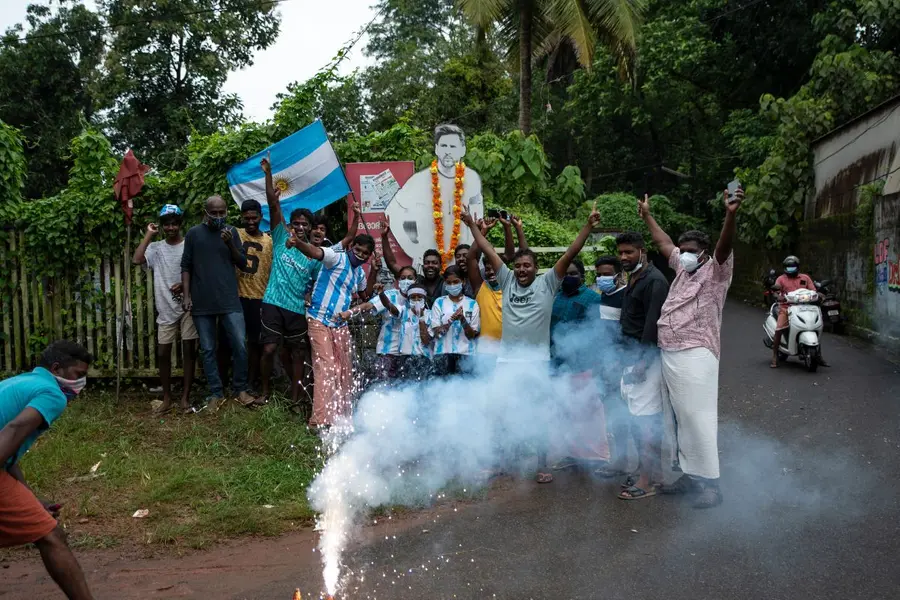
Kozhikode: When Lionel Messi’s name surfaced in the plans of football-mad Kerala, a wave of hope swept across the state. The idea: the Argentina national team would play a friendly, scheduled for 17 November 2025, at the Jawaharlal Nehru International Stadium, Kaloor (Kochi).
For many in Kerala—where football is woven into culture, particularly in Malappuram and Kochi—the prospect of seeing Messi in yellow-blue floodlights wasn’t just a match. It was a moment: historic, unifying, electrifying.
The Cracks Begin to Show
1. Logistics, Payments, and FIFA Windows
Despite the hype, cracks appeared early. Organisers and the Argentina side pointed to missing conditions: delayed payments, incomplete stadium standards, and uncertainty around FIFA approval.
Spanish outlet La Nación reported that the match might be cancelled because the India leg “failed to meet required conditions”.
2. Stadium Under Reconstruction, But No Firm Contract
The stadium was handed over by the Greater Cochin Development Authority (GCDA) to a state agency, then to a private firm for renovation ahead of the game. Seats were removed, trees cut, and floodlights upgraded.
Yet, the full terms of the contract and the oversight of the private firm remain opaque. The opposition raised doubts about whether the deal lacked transparency.
3. Politics Takes Over the Pitch
What began as a sport quickly became a spectacle for politics. The opposition claimed that the government was using Messi’s name to woo voters, especially ahead of local elections, while sidestepping deeper issues.
When the match seemed delayed or cancelled, the same dream turned into political ammunition. A narrative of “broken promises” started to dominate.
Why the Dream Faded: A Breakdown
1. Stadium Readiness vs Gambit of Timing
The ambitious renovation of the Kaloor stadium was supposed to bring it up to FIFA standards just in time. But work remained incomplete and timelines slipped. With the match date looming, the infrastructure gap casts doubt.
2. Contractual and Financial Uncertainty
Claims of large payments to the Argentine side, allegations of tree-felling and irregularities, and the absence of a publicly disclosed contract raised trust issues.
Questions like “Who owns what if the match doesn’t happen?” haunted the deal.
Political Over-Promise, Under-Delivery
The state machinery appeared to leverage the football spectacle for image building. When fundamentals got disrupted, the backlash grew. Opposition voices accused the ruling government of “selling dreams” and engaging in reckless spending (e.g., the sports minister’s Spain trip cost ~₹13 lakh). Instead of delight, the public was left with doubt and disappointment.
3. The Emotional Fallout
Across Kerala, the promise of Messi's arrival lit up hope for a grand moment. The yellow jerseys, banners, social media posts, and tourism plans — all were set. Then came the silence.
For the fans of Kerala Blasters FC and the broader football community, it wasn’t just a cancelled match; it was a loss of a piece of collective dreaming. One supporter captured it on X (formerly Twitter):
“How Kerala’s Messi dream faded amid stadium row” X (formerly Twitter)
The absence of clarity, the fear of misinvested effort, the shifting timelines — all combined to overshadow the joy of the possibility.
What the Future Holds
Despite the misstep, the stadium renovation hasn’t been abandoned, and plans for international friendlies continue in discussion.
But if one lesson stands: the union of sport and state must rest on transparent contracts, realistic infrastructure timelines, and football-first thinking — not just photo-ops.
For now, the dream of seeing Messi in Kerala remains on hold. The stadium lights may still shine, but the moment has been postponed — and trust must be rebuilt.
Published: 30 Oct 2025, 09:42 am IST
Related Topics
Disclaimer: Kindly avoid objectionable, derogatory, unlawful and lewd comments, while responding to reports. Such comments are punishable under cyber laws. Please keep away from personal attacks. The opinions expressed here are the personal opinions of readers and not that of Mathrubhumi.
