
Observed on October 6, World Habitat Day 2025 shines a light on the global urban crisis — from climate change and displacement to housing inequality.
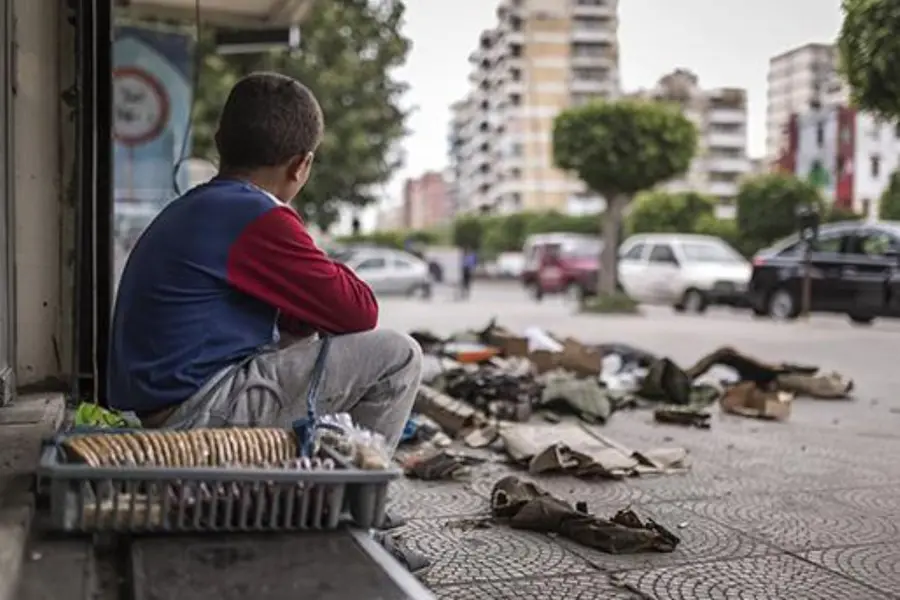
New Delhi: Marked on the first Monday of October every year, World Habitat Day 2025 focuses on addressing pressing urban crises — from climate change and displacement to inequality and sustainable housing solutions.
Observed this year on October 6, the day serves as a reminder that adequate shelter is a basic human right and that every individual shares the responsibility to shape the cities of tomorrow.
Established by the United Nations in 1985, World Habitat Day reflects on the state of towns and cities worldwide and highlights the urgent need for sustainable, inclusive, and resilient urban development.
The 2025 theme, “Urban Crisis Response,” emphasises tackling the multiple challenges affecting cities — including climate change, conflicts, and inequality — while promoting scalable, transformative solutions that stabilize populations and foster social cohesion.
Globally, the day underscores the importance of urban and territorial planning, inclusive governance, and the proactive role of local governments in managing crises.
For countries like Iran, which face complex urban challenges such as inadequate housing, air pollution, water scarcity, and unplanned expansion, the observance is a time to evaluate ongoing reforms.
The establishment of the UN-Habitat Tehran Office in 2009 marked a key step toward strengthening cooperation for sustainable urban development, including earthquake-resistant construction and affordable housing for low-income groups.
Meanwhile, in India, the day brings renewed focus on the need for resilient and equitable cities — particularly in Bihar, one of the country’s least urbanized states.
Despite multiple housing schemes, the Bihar Caste Survey Report 2023 revealed that over three lakh people remain homeless, and only one-third of the population lives in concrete houses with two or more rooms.
According to official data presented in the state assembly in 2024, 36.76% of houses in Bihar are concrete structures with two or more rooms, 23.37% have one room, 26.54% are tin sheds, and 14.09% are huts, while 0.24% of the population is completely homeless.
Economist Sudhanshu Kumar of the Bihar Institute of Public Finance and Policy said the state stands “at a pivotal crossroads” as urbanisation accelerates. “Urbanisation in Bihar is steadily rising, with the number of Urban Local Bodies increasing to 261, including 19 municipal corporations.
This expansion signals not just administrative growth, but a broader commitment to improving governance, infrastructure, and access to services,” he said.
Schemes such as the ‘Pradhan Mantri Awas Yojana’ and ‘Mukhyamantri Vas Sthal Kray Sahayata Yojana’ have been central to expanding affordable housing.
Under these, landowners receive ₹2 lakh for building homes, while landless families in slums are provided housing under institutional development programs.
As the world reflects on World Habitat Day 2025, Bihar’s story — like that of many developing regions — highlights both the struggles and possibilities of urban transformation.
The observance serves as a call for coordinated efforts among governments, institutions, and communities to ensure that no one is left without a roof — and that the cities of the future are more just, sustainable, and crisis-resilient
Published: 06 Oct 2025, 10:35 am IST
Related Topics
Disclaimer: Kindly avoid objectionable, derogatory, unlawful and lewd comments, while responding to reports. Such comments are punishable under cyber laws. Please keep away from personal attacks. The opinions expressed here are the personal opinions of readers and not that of Mathrubhumi.
