
Pressure is mounting on Keir Starmer as growing numbers of Labour MPs discuss the possibility of a leadership change within the party
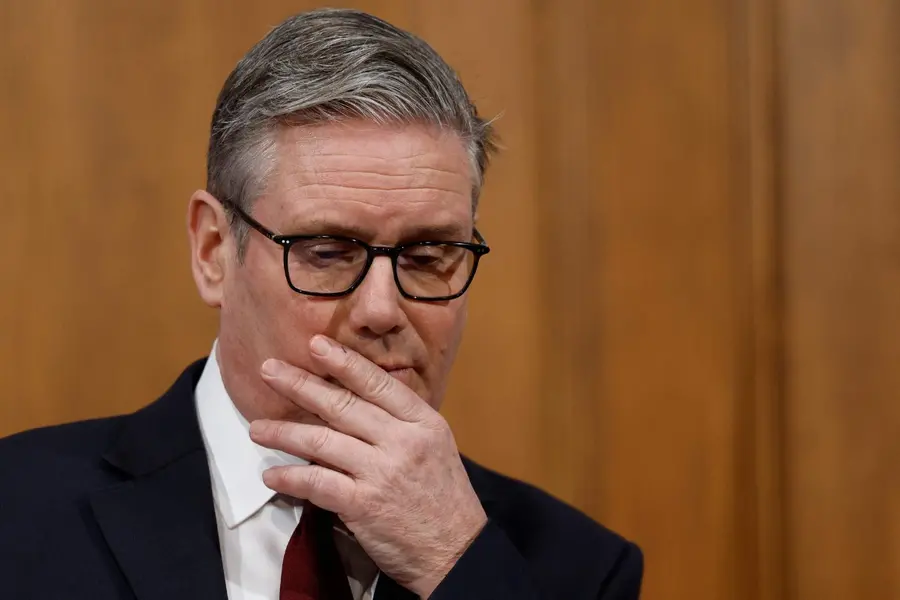
London: Pressure is continuing to build on British Prime Minister Keir Starmer, with growing calls from within the Labour Party for a change in leadership. However, despite nearly 100 Labour MPs publicly urging him to step down, no formal leadership challenge has yet been launched.
Starmer has rejected calls to resign and has instead challenged critics within the party to openly contest his leadership.
Under Labour Party rules, a leadership challenge can only begin if at least one-fifth of Labour MPs back a candidate. That means 81 MPs must unite behind a single challenger before a formal contest can take place. Once that threshold is reached, party members vote to decide the next leader.
Although several names are being discussed within Labour circles, only a small number are seen as capable of gathering enough support to seriously challenge Starmer.
Wes Streeting: The favourite for a quick leadership change?
Among those pushing for a fast leadership transition, Health Secretary Wes Streeting is seen as the preferred option.
Streeting, 43, currently oversees efforts to reform Britain’s struggling National Health Service. He comes from the more moderate wing of the Labour Party and has spent much of his career in politics.
He first gained attention as president of the National Union of Students before becoming a local councillor and later an MP representing an East London constituency near the housing estate where he grew up.
He has often spoken positively about former Prime Minister Tony Blair and is considered close to the political style associated with Blair-era Labour. Although he briefly left the party over the Iraq War, Streeting later returned and has advocated for NHS reforms involving technology and public-private partnerships. He has previously warned that the NHS must “modernise or die”.
Within Labour, Streeting is widely viewed as one of the party’s strongest communicators and a possible long-term leader. However, his links to veteran Labour figure Peter Mandelson have attracted criticism.
Mandelson was removed as Britain’s ambassador to Washington over his association with convicted sex offender Jeffrey Epstein. Some believe that connection could damage Streeting politically as well.
Andy Burnham: Popular, but facing a major obstacle
Supporters of Greater Manchester Mayor Andy Burnham are believed to favour a slower leadership transition.
The biggest issue facing Burnham is that he is currently not an MP, which means he cannot immediately stand to become Labour leader.
Burnham, 56, reportedly hoped to return to Parliament earlier this year through a constituency near Manchester. However, Labour’s National Executive Committee blocked the move, a decision many interpreted as an attempt to limit a possible challenge to Starmer.
Despite that setback, Burnham remains one of the most popular politicians in Britain according to several opinion polls. Supporters say he offers a clearer political vision than Starmer through what he calls “Manchesterism”, a mix of business-friendly policies and public service reform aimed at making everyday life more manageable for ordinary people.
Burnham points to Manchester’s strong economic growth during his time as mayor and argues that similar ideas could work nationally.
However, his earlier attempts to become Labour leader were unsuccessful. He also faced criticism last year after comments suggesting Britain should move away from being too dependent on bond markets unsettled investors and led to a rise in British government bond yields.
Angela Rayner: Popular with Labour’s traditional base
Former deputy prime minister Angela Rayner is another figure frequently mentioned as a possible successor.
Unlike Starmer’s more formal and legalistic style, Rayner is known for a direct and outspoken approach that appeals to many younger Labour supporters and traditional socialists.
Rayner, 46, grew up in a poor household near Manchester and became a mother at 16. She has spoken publicly about her difficult upbringing and said her mother, who had bipolar disorder, could neither read nor write. Before entering politics, Rayner trained as a care worker for elderly people and later worked as a trade union representative.
As deputy prime minister and housing secretary, she oversaw several key Labour policies, including housebuilding reforms, increases to the minimum wage, stronger protections for renters and legislation targeting exploitative zero-hours contracts.
Rayner resigned from her deputy role last year following controversy surrounding unpaid property tax linked to a second home on England’s south coast. She said the issue resulted from poor legal advice and was unintentional. However, the unresolved matter may affect any future leadership bid.
In a recent letter to Starmer, Rayner stopped short of directly asking him to resign but warned that Labour’s current approach was “not working” and needed to change.
Other names being discussed
A few other senior Labour figures are also being mentioned as possible alternatives to Starmer.
Home Secretary Shabana Mahmood is viewed by some within the party as an emerging figure with potential appeal to voters on Labour’s right wing. She currently oversees policies aimed at tackling illegal immigration.
Energy Secretary Ed Miliband, who previously led the Labour Party, is also considered a possible contender. Among Labour Party members, especially climate-focused supporters, public sector workers and trade union members, Miliband is reportedly one of the most popular names being discussed as a successor to Starmer.
Published: 13 May 2026, 11:13 am IST
Related Topics
Disclaimer: Kindly avoid objectionable, derogatory, unlawful and lewd comments, while responding to reports. Such comments are punishable under cyber laws. Please keep away from personal attacks. The opinions expressed here are the personal opinions of readers and not that of Mathrubhumi.
