
China resists Trump’s 100% tariff threat, urges dialogue amid rare earth trade tensions.
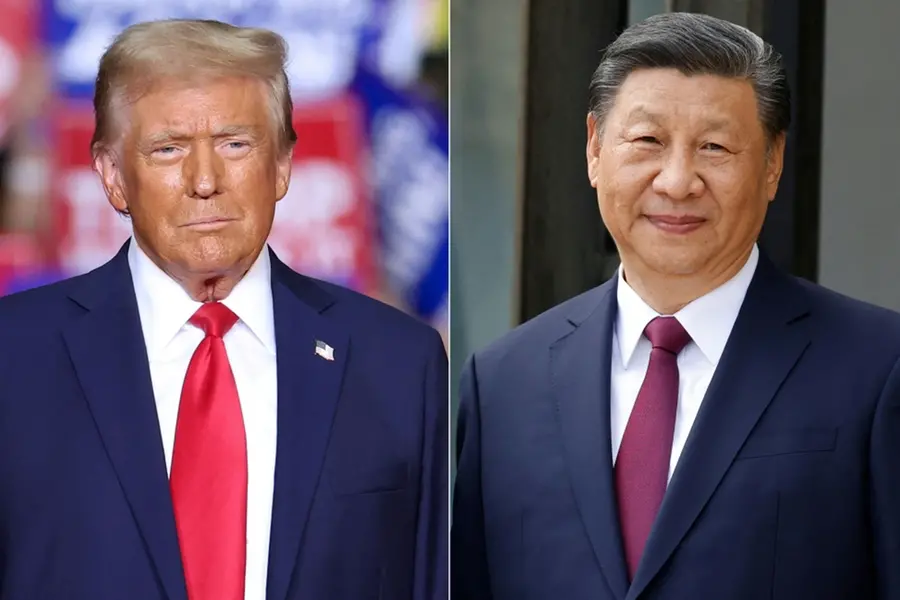
Beijing: China on Sunday signalled it would not yield to a 100% tariff threat from U.S. President Donald Trump, urging Washington to resolve differences through negotiations rather than threats.
“China’s stance is consistent,” the Commerce Ministry said in a statement posted online. “We do not want a tariff war but we are not afraid of one.”
This marked China’s first official response to Trump’s threat to increase taxes on imports from China by November 1, following Beijing’s new restrictions on rare earth exports, essential to both consumer and military products.
The escalating standoff risks derailing a potential meeting between Trump and Chinese leader Xi Jinping, threatening the fragile truce in the trade war that saw tariffs from both sides briefly exceed 100% in April.
Trump has raised import taxes on multiple trading partners since January, seeking concessions, but China has remained firm, leveraging its economic strength.
China calls for dialogue over threats
“Frequently resorting to the threat of high tariffs is not the correct way to get along with China,” the Commerce Ministry said in a post framed as responses from an unnamed spokesperson to four questions from unspecified media.
The statement urged dialogue to resolve issues. “If the U.S. side obstinately insists on its practice, China will be sure to resolutely take corresponding measures to safeguard its legitimate rights and interests,” it added.
Additional U.S. measures fuel tensions
Beyond the 100% tariff, Trump has threatened export controls on “critical software,” without further clarification. Both nations accuse each other of violating the truce by imposing new trade restrictions.
Trump said in a social media post that China is “becoming very hostile” and restricting global access to rare earth metals and magnets.
The Commerce Ministry noted U.S. actions in recent weeks, including expanded export controls on Chinese firms. On rare earths, it said export licences would be issued for legitimate civilian purposes, highlighting their military applications.
The new rules require foreign companies to obtain Chinese government approval to export products containing rare earths sourced from China, regardless of manufacturing location. China controls nearly 70% of global rare earth mining and about 90% of processing, making access a central trade issue.
Rare earth minerals are vital to jet engines, radar systems, electric vehicles, and electronics such as laptops and phones. China’s export limits have affected manufacturers in Europe, the U.S., and elsewhere.
Port fees escalate the standoff
The Ministry also criticised U.S. plans to impose new port fees on Chinese ships starting Tuesday. In response, China announced Friday it would levy port fees on American ships.
Published: 12 Oct 2025, 03:16 pm IST
Disclaimer: Kindly avoid objectionable, derogatory, unlawful and lewd comments, while responding to reports. Such comments are punishable under cyber laws. Please keep away from personal attacks. The opinions expressed here are the personal opinions of readers and not that of Mathrubhumi.
