
The United States has deployed sea drones and robotic systems to detect and clear mines in the Strait of Hormuz to restore global shipping
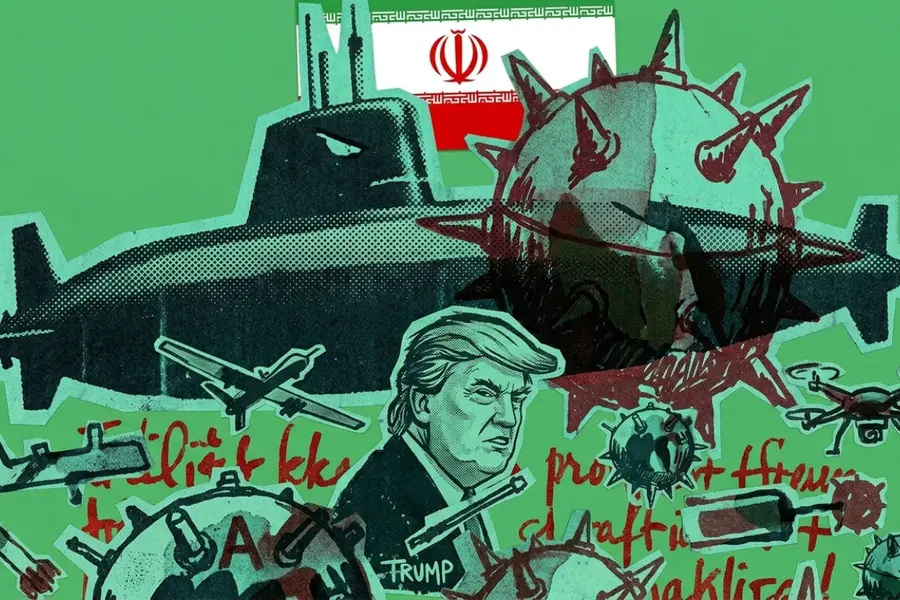
Washington: The United States military has begun deploying sea drones along with other robotic technologies to assist in clearing mines in the Strait of Hormuz, according to a report. The move is part of Washington’s effort to restore commercial shipping through one of the world’s most critical maritime routes.
Operation to secure key shipping route
The Wall Street Journal reported on Sunday that the US Navy is combining both manned and unmanned systems to detect mines that may be obstructing the narrow strait. The waterway is a vital global artery, carrying roughly one fifth of the world’s oil and liquefied natural gas.
An unnamed US defence official told the publication that this initiative is part of a larger countermine mission intended to reopen the passage for commercial vessels.
Use of robotic and unmanned technology
According to military analysts cited in the report, early seabed scans can be conducted swiftly with the help of unmanned underwater vehicles. Once mines are identified, specialised robotic systems can then be deployed to neutralise them.
Kevin Donegan, a former vice admiral in the US Navy, said that such technology allows for faster operations, noting that even a limited shipping corridor could be examined “in days not weeks”.
Strait closure and rising tensions
The deployment comes at a time of heightened tensions between the United States and Iran. The Strait of Hormuz remained effectively closed on Sunday, with Tehran stating that normal maritime traffic would not resume unless the US lifts its blockade on Iranian ports.
Iran had briefly allowed passage through the strait on Friday following a ceasefire connected to fighting involving Israel and Hezbollah. This temporary reopening raised hopes of stability and contributed to a drop in global oil prices.
However, the situation quickly shifted. A day later, Iran reversed its decision and advised ships to avoid the main shipping lanes. Instead, vessels were instructed to travel along routes closer to the Iranian coastline, citing concerns over possible mines.
Diplomatic efforts and uncertain ceasefire
Iran’s parliament speaker, Mohammad Bagher Ghalibaf, said that discussions with the United States had shown some signs of progress, though a final agreement remains distant. The current two-week ceasefire is set to end on Wednesday unless an extension is agreed.
At the same time, US President Donald Trump confirmed that negotiations with Iran are ongoing. He also cautioned Tehran against attempting to use control of the strait as a bargaining tool.
Published: 19 Apr 2026, 05:52 pm IST
Related Topics
Disclaimer: Kindly avoid objectionable, derogatory, unlawful and lewd comments, while responding to reports. Such comments are punishable under cyber laws. Please keep away from personal attacks. The opinions expressed here are the personal opinions of readers and not that of Mathrubhumi.
