
Washington, DC: The world remembers Hillary Clinton's tears in 2016 and Al Gore's disappointment in 2000. Both leaders, though winning the popular vote, lost the presidency to Donald Trump and George W Bush due to the Electoral College. Despite being the Democratic candidates, their losses highlight the unique dynamics of the US election system.
To understand this, it's essential to unravel the complexities of the US presidential election process.
Also Read

The election begins with primaries and caucuses. Both major political parties -- Democratic and Republican -- hold contests across all states and US territories. Voters choose their preferred candidate, and the winner of the majority of delegates becomes the party's presidential nominee, formally announced at the national convention. Delegates, selected through these contests, represent the voters at the conventions.
In November, the general election takes place. Unlike many democracies, the US uses the Electoral College system. Each state awards electoral votes based on population, for a total of 538 electoral votes. A candidate must secure 270 votes to win. States like Maine and Nebraska are exceptions, splitting their votes rather than using a winner-takes-all approach.
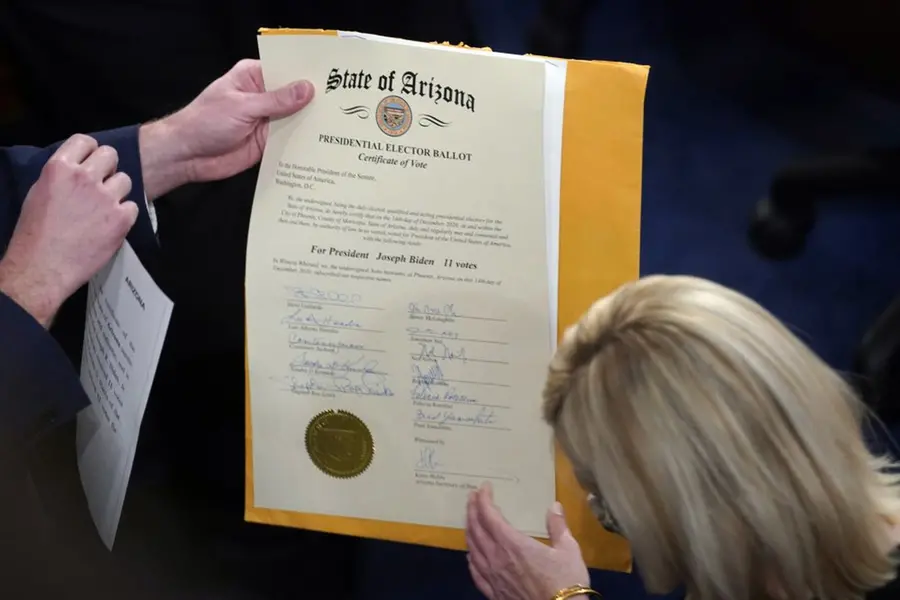
Once the general election is complete, electors meet in December to formally cast their votes. The 2020 election was particularly contentious, with challenges to vote certification, culminating in the January 6, 2021 Capitol siege. Despite these events, the Electoral College confirmed Joe Biden's victory.
Finally, the Vice President certifies the election results in Congress, a crucial step in confirming the outcome. This process underscores the decentralized nature of US elections, with each state conducting its own election and electors representing the results.
Historical Roots of the Electoral College
The Electoral College was established during the Constitutional Convention of 1787. The framers of the US Constitution created this system to balance the interests of smaller states and prevent the presidency from being decided solely by populous regions.
Designed as a compromise between electing the president by Congress or by popular vote, the Electoral College remains a defining feature of US democracy, though it continues to spark debate in modern elections.
Here is a breakdown of each state in alphabetical order and their electoral vote counts totaling to 538:
Alabama: 9
Alaska: 3
Arizona: 11
Arkansas: 6
California: 55
Colorado: 9
Connecticut: 7
Delaware: 3
District of Columbia: 3
Florida: 29
Georgia: 16
Hawaii: 4
Idaho: 4
Illinois: 20
Indiana: 11
Iowa: 6
Kansas: 6
Kentucky: 8
Louisiana: 8
Maine: 4
Maryland: 10
Massachusetts: 11
Michigan: 16
Minnesota: 10
Mississippi: 6
Missouri: 10
Montana: 3
Nebraska: 5
Nevada: 6
New Hampshire: 4
New Jersey: 14
New Mexico: 5
New York: 29
North Carolina: 15
North Dakota: 3
Ohio: 18
Oklahoma: 7
Oregon: 7
Pennsylvania: 20
Rhode Island: 4
South Carolina: 9
South Dakota: 3
Tennessee: 11
Texas: 38
Utah: 6
Vermont: 3
Virginia: 13
Washington: 12
West Virginia: 5
Wisconsin: 10
Wyoming: 3
Published: 14 Oct 2024, 08:38 am IST
Disclaimer: Kindly avoid objectionable, derogatory, unlawful and lewd comments, while responding to reports. Such comments are punishable under cyber laws. Please keep away from personal attacks. The opinions expressed here are the personal opinions of readers and not that of Mathrubhumi.