
Eight US Navy personnel assigned to the USS Abraham Lincoln carrier strike group attempted suicide during its extended deployment, according to the acting Navy secretary’s letter to Congress.
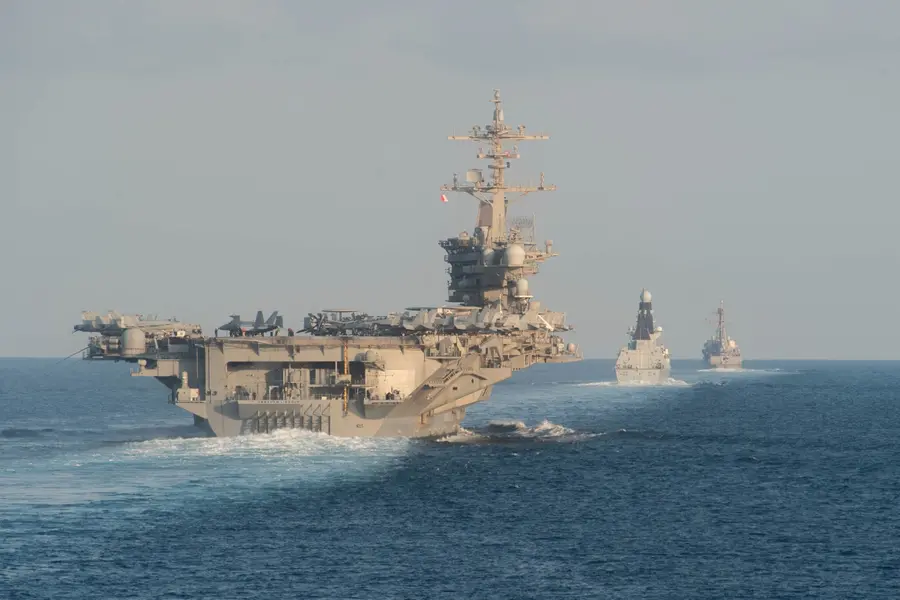
Washington DC: The US Navy has disclosed that eight personnel assigned to the USS Abraham Lincoln carrier strike group attempted suicide during its lengthy deployment, including a period when the group was conducting combat operations against Iran.
Acting Navy Secretary Hung Cao disclosed the figure in a letter responding to questions from US Senator Kirsten Gillibrand about the morale and mental health of sailors assigned to the Lincoln strike group. The letter said there had been eight suicide attempts across the wider strike group since the beginning of the deployment.
Also Read

The figure covers personnel from the carrier, its air wing, strike group and destroyer squadron staff, escorting destroyers and embarked aviation squadrons. It therefore does not mean that all eight incidents occurred aboard the USS Abraham Lincoln itself.
Cao also stated that no service member died by suicide during the deployment.
Deployment lasted for months
The Lincoln strike group included roughly 6,000 to 7,000 sailors across about six ships. The carrier remained deployed for an extended period while supporting US military operations against Iran.
Reports put the Lincoln's deployment at 286 days, including more than six months without a port visit. The carrier eventually made a stop in Thailand in early September as it began its return journey.
The length and intensity of the deployment have become central to questions about the welfare of the sailors.
What happened in the reported incidents?
Cao's letter provided details about two incidents involving sailors going or attempting to go overboard.
A sailor assigned to the carrier's air wing went overboard in early August and was quickly recovered by a search-and-rescue helicopter before receiving medical treatment.
Another sailor attempted to go overboard in March but was stopped by fellow sailors and subsequently received medical care before returning to the home port.
The Navy had previously acknowledged that it had mental-health professionals and other support systems available to personnel aboard the carrier.
Mental health concerns had already been reported
The latest disclosure comes after reports from US media and accounts from military families raised concerns about morale, mental health and living conditions aboard the Lincoln.
Earlier reporting described problems involving essential supplies, plumbing, water and other amenities, alongside concerns about the psychological strain of the unusually long deployment. The Navy disputed claims that there was a broader mental-health crisis aboard the carrier and said it had not observed an increase in suicidal ideation or attempts aboard the ship.
The Navy has also said that mental-health, medical and religious personnel were available to assist sailors.
How many mental-health resources were available?
According to Cao's letter, the Lincoln had several dedicated resources during the deployment.
They included:
- Five chaplains
- One integrated prevention counsellor
- One psychologist
- One clinical social worker
- Three behavioural health technicians
- One expeditionary facility dog
These resources were intended to support the crew's spiritual, emotional and mental-health needs.
How does the number compare with Navy data?
The eight attempts cover the entire Lincoln strike group rather than the carrier alone.
One report citing US military officials said recent carrier strike group deployments had recorded around one or two suicide attempts per year, although that comparison concerns other deployments and is not an official assessment of the Lincoln's rate.
Separate data cited in reports showed that the active-duty US Navy recorded 356 suicide attempts among an estimated 337,000 personnel in 2024, the most recent year for which the cited Pentagon data were available. Comparisons between that annual figure and the Lincoln deployment should be treated cautiously because the populations, time periods and deployment conditions are different.
The disclosure comes against the backdrop of an unusually prolonged combat deployment.
The carrier spent months away from port while operating in support of US military operations against Iran. Port visits normally provide opportunities to replenish supplies and give personnel time away from the ship. Reports about the Lincoln have therefore focused not only on combat operations but also on the cumulative effects of remaining at sea for an extended period.
US officials have differed in their descriptions of the situation. The Navy has said it did not observe an increase in suicidal ideation or attempts aboard the ship, while reports from sailors, families and lawmakers have raised concerns about morale and living conditions.
Published: 24 Sept 2026, 08:01 am IST
ABOUT THE AUTHOR
Related Topics
Disclaimer: Kindly avoid objectionable, derogatory, unlawful and lewd comments, while responding to reports. Such comments are punishable under cyber laws. Please keep away from personal attacks. The opinions expressed here are the personal opinions of readers and not that of Mathrubhumi.