
Democrats have won the US Senate and are projected to take the House. Here's how the shift could affect Trump's appointments, policies and presidency.
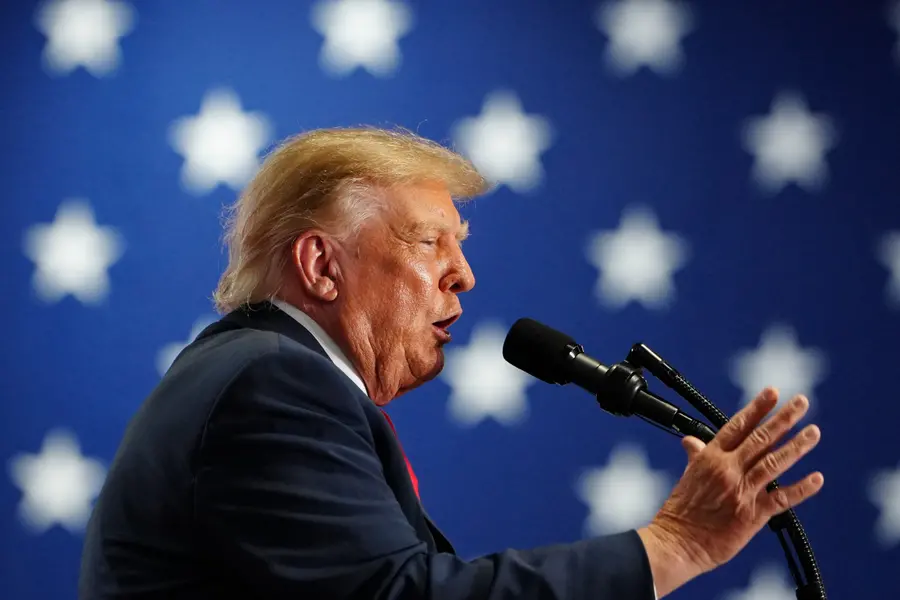
Democrats have won control of the US Senate and are projected to take the House of Representatives in the 2026 midterms, ending unified Republican control of Congress and creating the first major institutional check on President Donald Trump’s second term. The shift takes practical effect when the new Congress is seated on January 3, 2027.
Democrats needed a net gain of four seats to reach 51 in the Senate; a three-seat gain would have produced a 50–50 chamber, with Republican Vice President JD Vance holding the tie-breaking vote. Their victories in states including Ohio, Texas, South Carolina, Kansas and North Carolina put them past that threshold.
Control of the Senate gives Democrats the power to set the chamber’s agenda, chair its committees and -- most consequentially -- decide the fate of Trump’s nominations. That includes Cabinet secretaries, agency heads, federal judges and any future Supreme Court nominee.
The majority also gives Democrats subpoena authority and the ability to compel testimony and documents through hearings. Senate committees on intelligence, finance, judiciary and foreign relations could become central venues for scrutiny of administration policy and Trump allies.
Judges and nominations become the battleground
The Senate’s confirmation power may prove Democrats’ strongest lever. They can slow, block or reject executive and judicial nominees, and party leaders have explicitly framed Senate control as a way to prevent conservative appointments to the Supreme Court and lower federal courts.
Republicans are expected to try to move quickly on any judicial vacancy that opens before the new Congress takes office in January. Democrats, in turn, are likely to use procedural tools and public hearings to contest nominees they view as ideologically extreme or insufficiently vetted.
Foreign policy also changes. While ratifying a treaty requires a two-thirds Senate vote, a Democratic majority can block treaties with just 34 senators and can use committee control to stall or reshape legislation affecting diplomacy, sanctions and military policy.
House Democrats regain the gavel
In the House, Democrats needed a net gain of three seats to win the 218-seat majority. They were projected to flip control after defeats for several Republican incumbents and wins in open seats, according to Decision Desk HQ projections reported by Bloomberg.
A Democratic House would elect a new speaker -- potentially Hakeem Jeffries, who would be the first Black speaker in US history -- and take committee chairmanships. The speaker controls which bills receive floor votes, giving Democrats the ability to bury Republican legislation indefinitely.
Because all bills raising revenue must originate in the House, Democrats would also gain leverage over taxes, spending and the annual appropriations process. They could use funding bills to protect favored programs, resist administration priorities, or create a standoff that risks a government shutdown.
Investigations and oversight expand
The House Oversight Committee is Congress’s principal investigative body, and Democratic chairmen would have unilateral authority to open inquiries and issue subpoenas. Democrats have signaled investigations into Trump family businesses, immigration enforcement, corporate profiteering, vaccine policy and firms seen as benefiting from the administration.
Potential targets include administration officials and former senior advisers, with reporting naming Defense Secretary Pete Hegseth and Elon Musk among possible subjects of congressional scrutiny. Subpoenas can be issued quickly, but enforcement can become a lengthy legal fight if the White House resists.
The Democratic legislative agenda
House Democrats have prepared a first-100-days agenda focused on cost-of-living relief and reversing elements of Republican policy. Their proposals include restoring enhanced Affordable Care Act marketplace tax breaks, reversing Medicaid cuts, and challenging Trump’s tariff regime.
A Democratic Congress could also use the Congressional Review Act to overturn recently issued federal regulations and bar agencies from issuing substantially similar rules. But that tool applies only to recent rules and still requires the legislation to survive a presidential veto.
The Veto wall
The central constraint is Trump’s veto. Democrats may pass bills through the House and, in some cases, advance them in the Senate, but enacting most major legislation into law would require either Trump’s signature or a two-thirds vote in both chambers to override a veto -- 290 House votes and 67 Senate votes.
The Senate filibuster adds another barrier: most legislation needs 60 votes to end debate and proceed to a final vote. With only 51 seats, Democrats would need at least nine Republican senators for ordinary bills, making sweeping partisan legislation highly unlikely.
Budget reconciliation is the major exception. It permits certain tax and spending measures to pass the Senate with a simple majority, but its scope is limited to fiscal policy and any resulting bill would still face Trump’s veto.
Impeachment: Possible, Not probable
Democrats would have the votes to impeach Trump in the House with a simple majority, and a Democratic Senate would conduct any trial. But conviction and removal require 67 Senate votes -- 16 more than Democrats would hold -- so impeachment would be politically explosive but unlikely to remove him from office.
Party leaders have not ruled impeachment out, while some Senate Democrats have publicly opposed it. The more immediate effect is likely to be intensified investigations, hearings and legal pressure rather than a third impeachment effort.
The practical result is divided government: Democrats can investigate, delay appointments, shape spending and set the public agenda, while Trump retains the veto, executive orders and considerable control over the executive branch. Analysts expect more hearings, committee action and political confrontation, but few major new laws without bipartisan compromise.
Published: 04 Nov 2026, 10:58 am IST


Related Topics
Disclaimer: Kindly avoid objectionable, derogatory, unlawful and lewd comments, while responding to reports. Such comments are punishable under cyber laws. Please keep away from personal attacks. The opinions expressed here are the personal opinions of readers and not that of Mathrubhumi.
