
The US has reclassified marijuana as a lower-risk drug under federal law, unlocking faster medical research and expanding access for patients, while stopping short of full legalisation.
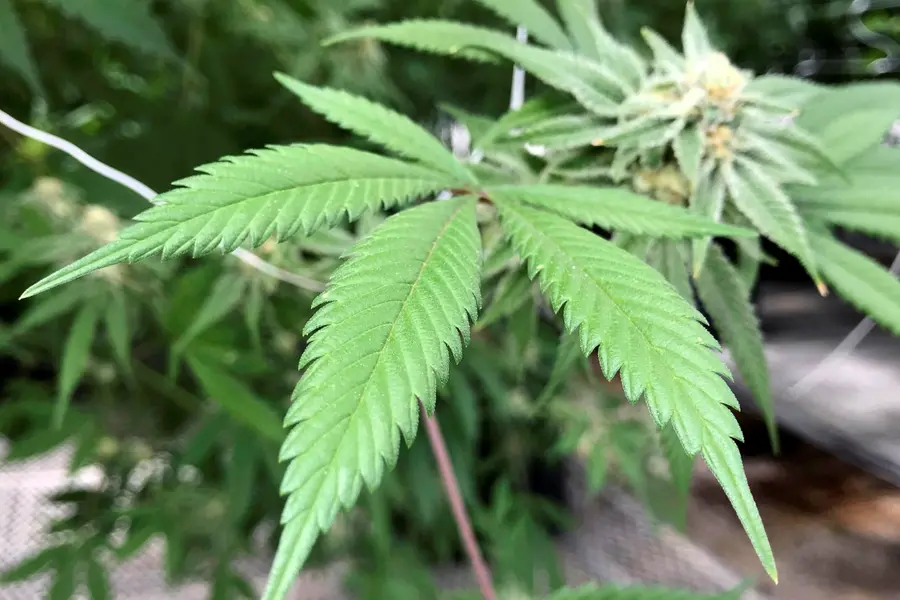
The United States has taken a significant step toward reshaping its federal cannabis policy, reclassifying marijuana in a move that is expected to accelerate medical research and improve access for patients.
On Thursday, federal authorities shifted marijuana from Schedule I, the strictest category reserved for drugs considered to have no accepted medical use, to Schedule III, a classification that recognises medical value and lower abuse potential.
Acting Attorney General Todd Blanche described the change as a breakthrough for healthcare and research. Marijuana, he said, is now viewed as having moderate to low addiction potential, “expanding patients' access to treatments and empowering doctors to make better-informed healthcare decisions.”
What changes with Schedule III classification?
Under its previous Schedule I status, cannabis was grouped alongside substances like heroin and methamphetamine, making it extremely difficult for researchers to conduct clinical studies. The approval process for studying such drugs often involved multiple layers of federal clearance.
With the new classification, marijuana products that are approved or regulated by federal or state agencies will now fall under Schedule III, a category that includes substances such as ketamine and anabolic steroids, drugs recognised for medical use with comparatively lower risk of abuse.
The Department of Justice said the decision follows a December executive order signed by President Donald Trump aimed at expanding medical marijuana research.
It also confirmed that expedited hearings will begin in June, creating a “provide a timely and legally compliant pathway to evaluate broader changes to marijuana's status under federal law.”
Impact on patients, doctors, and medical research
While the move does not legalise recreational marijuana nationwide, it is expected to significantly improve medical access and scientific research opportunities.
President Trump highlighted its importance for patients suffering from serious conditions, saying it would help those needing legitimate treatments.
“We have people begging for me to do this. People that are in great pain,” Trump said during the announcement at the White House.
He also clarified it is, “not the legalization” of marijuana.
The reform is expected to make clinical research on cannabis easier and faster. It will allow doctors to better understand medical benefits and risks and improve access to cannabis-based treatments for conditions like cancer and chronic pain.
The government appears to be catching up with broad societal shifts in the United States -- adult marijuana use for any reason is legal in 24 states and the US capital, and approved for medicinal use in 40 states.
Acting Attorney General Todd Blanche emphasized that the change will help strengthen scientific understanding, stating it will enable “more targeted, rigorous research into marijuana's safety and efficacy.”
With AFP inputs
Published: 23 Apr 2026, 10:31 pm IST
Related Topics
Disclaimer: Kindly avoid objectionable, derogatory, unlawful and lewd comments, while responding to reports. Such comments are punishable under cyber laws. Please keep away from personal attacks. The opinions expressed here are the personal opinions of readers and not that of Mathrubhumi.
