
Trump administration proposes H-1B overhaul with $100,000 fee, wage-based selection, and stricter rules favouring skilled workers
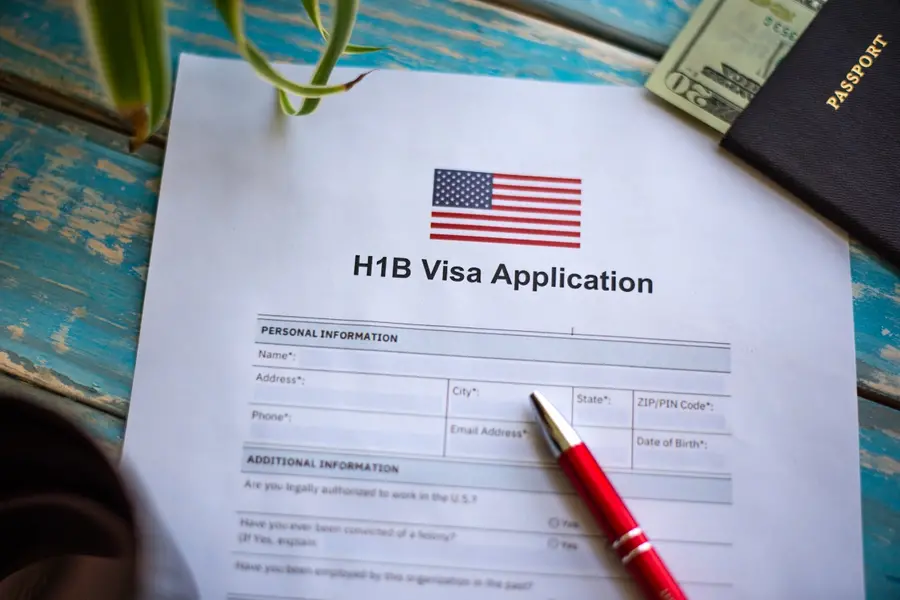
The Trump administration has unveiled a proposal to revamp the H-1B visa selection system, giving preference to highly skilled and better-paid applicants. Details of the plan were published in the Federal Register on Tuesday, according to a Reuters report.
The announcement comes days after a White House directive, issued on Friday, introduced a dramatic fee increase for H-1B applications. The new charge of $100,000 replaces the earlier scale of $215 to $5,000, which varied depending on company size. The one-time fee of $100,000 will remain in place, though it excludes existing H-1B holders and renewals.
Also Read

The revised selection process is still under proposal, with the notice indicating it could take effect for the 2026 lottery ahead of the March registration window.
The H-1B scheme allocates 65,000 visas each year for companies hiring temporary foreign professionals in specialised roles, along with an additional 20,000 visas reserved for those holding advanced degrees.
It is reported that the changes are intended to prevent what they call “abuse of the programme”, ensuring that only top-tier foreign professionals are considered while urging employers to give priority to American workers.
On Friday, September 19, President Donald Trump signed an executive order enforcing the $100,000 fee, characterising it as a reform measure to tackle exploitation within the system.
The proposed rule, made public on Tuesday, would also alter the current lottery-based selection process if annual demand exceeds the quota. Instead, a wage-based structure would be introduced, giving jobs with higher pay packages a stronger chance of being chosen.
According to the notice, overall salaries for H-1B visa holders are projected to rise to $502 million in the 2026 fiscal year, beginning October 1. Wage growth is expected to continue, climbing by $1 billion in 2027, $1.5 billion in 2028, and reaching $2 billion annually from 2029 to 2035.
However, the Department of Homeland Security (DHS) estimates that around 5,200 small businesses relying on H-1B visas could face considerable financial strain due to reduced access to foreign workers.
The US Citizenship and Immigration Services (USCIS), which issued the proposal, will invite public comments for 30 days starting Wednesday.
The H-1B visa has long been vital for US industries, particularly technology and outsourcing firms, to recruit skilled professionals, with a large share coming from India and China. Established in 1990, the programme has become a cornerstone of employment-based immigration. The steep fee hike, effective from Sunday, September 21, has fuelled heated debate. Critics warn it may stifle innovation and push talent towards destinations such as Canada and the UK, while backers argue it safeguards American jobs by discouraging companies from seeking lower-cost foreign workers.
Since taking office in January, President Trump has pursued a broader immigration clampdown, ranging from mass deportations to efforts aimed at denying citizenship to children of undocumented immigrants. In recent days, his administration has sharpened its focus on the H-1B system, heavily used by tech and outsourcing companies to secure foreign expertise.
Published: 23 Sept 2025, 11:06 pm IST
Related Topics
Disclaimer: Kindly avoid objectionable, derogatory, unlawful and lewd comments, while responding to reports. Such comments are punishable under cyber laws. Please keep away from personal attacks. The opinions expressed here are the personal opinions of readers and not that of Mathrubhumi.