
US forces disable two Iranian tankers in the Strait of Hormuz as military strikes and a burgeoning oil spill threaten to shatter a fragile ceasefire.
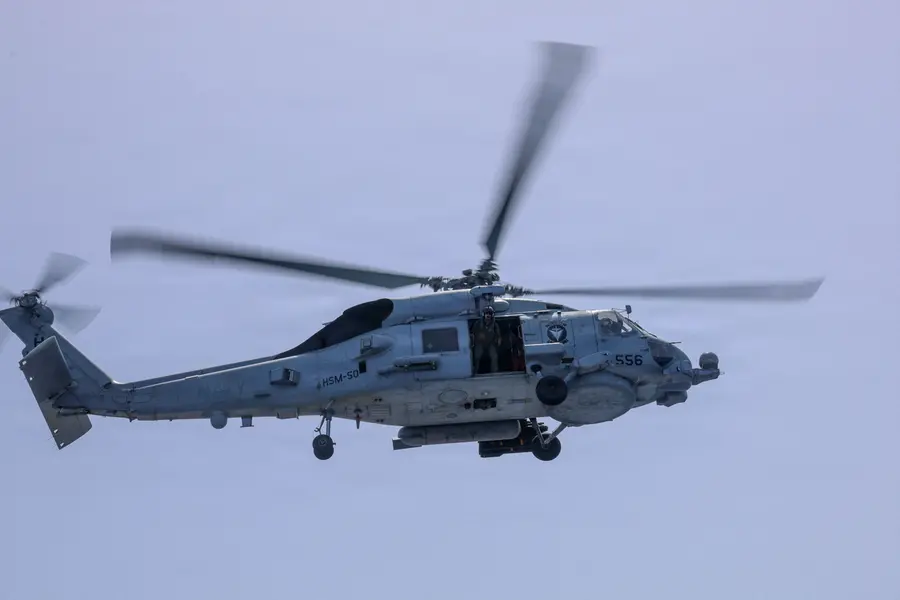
Dubai: Tensions in the Strait of Hormuz reached a fever pitch on Friday as American forces intercepted and disabled two Iranian oil tankers. The military action followed a night of heavy exchange between US and Iranian units, while the United Arab Emirates reported being targeted by a fresh wave of Iranian missiles and drones.
Blockade enforcement and military strikes
The US military confirmed the disablement of the two tankers, stating they were attempting to circumvent an American blockade of Iranian ports. This escalation comes just hours after the US reported neutralising attacks on three of its Navy vessels and conducting retaliatory strikes on Iranian military assets within the strait.
The conflict, which has seen the critical waterway largely obstructed since late February, continues to threaten global energy stability. US Secretary of State Marco Rubio expressed hope for a diplomatic breakthrough but remained firm on the military stance, "They threaten Americans, they are going to be blown up," Rubio told reporters Friday.
The diplomatic deadlock
Despite the ongoing violence, Washington maintains that a month-old ceasefire remains technically in effect, though Tehran has accused the US of "hostile" actions that undermine any peace efforts. Iranian Foreign Minister Abbas Araghchi criticised the American approach on social media.
"Every time a diplomatic solution is on the table, the US opts for a reckless military adventure."
While President Donald Trump has reiterated threats of full-scale bombing should Iran reject terms to reopen the strait and curtail its nuclear programme, international mediators like Pakistan are working "day and night" to prevent a total collapse of the ceasefire.
Environmental and maritime concerns
The physical toll of the conflict is becoming visible from space. Satellite imagery has identified a massive 95-square-kilometre oil slick near Kharg Island, Iran's primary export hub. Experts warn that if the spill continues its southwest drift, it could devastate protected marine ecosystems in the Gulf.
Furthermore, the emergence of the Persian Gulf Strait Authority—an Iranian agency established to tax and vet international shipping—has drawn sharp rebukes from US officials. Rubio characterised the move as "unacceptable”, questioning whether the global community is prepared to allow Iran unilateral control over an international waterway.
Currently, hundreds of commercial vessels remain stranded in the Persian Gulf, unable to navigate the blockade and counter-blockade measures that have defined this conflict.
AP
Published: 08 May 2026, 10:35 pm IST
Related Topics
Disclaimer: Kindly avoid objectionable, derogatory, unlawful and lewd comments, while responding to reports. Such comments are punishable under cyber laws. Please keep away from personal attacks. The opinions expressed here are the personal opinions of readers and not that of Mathrubhumi.
