
A US Supreme Court case on birthright citizenship raises concerns for Indian H-1B families, as changes could impact children born in the United States.
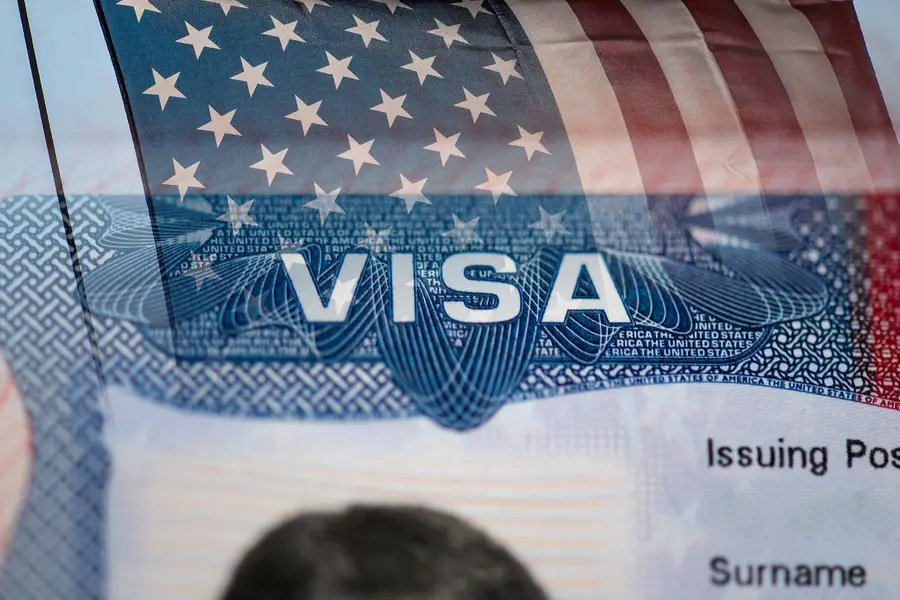
Washington: A case before the US Supreme Court on birthright citizenship has triggered fresh anxiety among Indian professionals on H-1B visas, with potential implications for thousands of families living in the United States.
The administration of Donald Trump has argued that children born in the US to “temporary visitors” may not automatically qualify for US citizenship. The position challenges the long-standing interpretation of the 14th Amendment, which grants citizenship to individuals born on American soil.
Appearing before the court, Solicitor General John Sauer contended that the Constitution requires “direct and immediate allegiance” to the United States, not merely birth within its territory. He argued that children of parents on temporary visas, including H-1B visa holders, may not meet this requirement.
Impact on Indian H-1B visa holders
The development is significant for Indian nationals, who form the largest group of H-1B visa holders in the US. Many Indian professionals spend years awaiting green cards, building careers and raising families during prolonged immigration backlogs.
Under the current US immigration policy, children born in the country are treated as citizens regardless of their parents’ visa status. The administration’s argument, however, seeks to reinterpret this practice, potentially altering the legal status of US-born children of temporary visa holders.
Legal debate over birthright citizenship
At the heart of the case is the interpretation of the phrase “subject to the jurisdiction thereof” in the 14th Amendment. The government maintains that this clause should be tied to permanent allegiance and lawful residence, rather than temporary presence.
However, lawyers opposing the move argue that such a shift would overturn more than a century of settled law, including the landmark ruling in United States vs. Wong Kim Ark. That decision affirmed that most children born in the US are citizens, irrespective of their parents’ immigration status.
Legal experts warn that revising this interpretation could create widespread uncertainty and disrupt established constitutional principles.
Also Read| Flip-flop or strategy? Trump says one thing, does another on Iran
Concerns raised by justices
During the hearing, several justices questioned how the proposed policy would be implemented. They raised concerns over whether authorities would need to verify parents’ immigration status at the time of a child’s birth and how citizenship determinations would be made in practice.
The government indicated that the system could rely on “objectively verifiable” immigration data, suggesting that visa status may become a determining factor in granting citizenship.
Broader implications for US immigration policy
The case comes amid ongoing debates over US immigration reform and border control policies. The administration argued that current birthright citizenship rules may act as a “pull factor” for illegal immigration.
For Indian families on H-1B visas, the stakes remain high. Any change in the law could affect access to education, employment opportunities, and government benefits for their children.
While the government has said its proposal would apply prospectively, legal challengers caution that the broader reasoning could cast doubt on the citizenship status of many individuals.
The final ruling by the US Supreme Court is expected to have far-reaching consequences, potentially reshaping birthright citizenship laws and impacting thousands of Indian professionals and their families across the United States.
Published: 02 Apr 2026, 07:53 am IST
Related Topics
Disclaimer: Kindly avoid objectionable, derogatory, unlawful and lewd comments, while responding to reports. Such comments are punishable under cyber laws. Please keep away from personal attacks. The opinions expressed here are the personal opinions of readers and not that of Mathrubhumi.
