
The proposal could also introduce restrictions on gaming platforms, live-streaming services, overnight app use and infinite scrolling features for minors
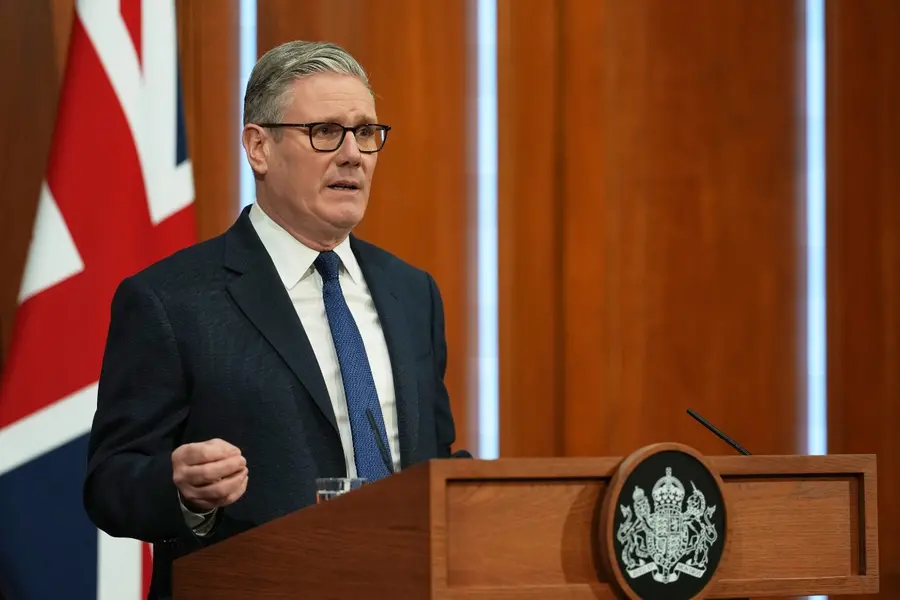
London: British Prime Minister Keir Starmer has announced plans to introduce a nationwide ban preventing children under the age of 16 from accessing social media platforms, arguing that such services are negatively affecting young people's wellbeing.
Speaking on Monday, Starmer said the government intends to prohibit under-16s from using social media, describing these platforms as harmful environments that expose children to dangerous content and are deliberately designed to encourage addictive behaviour.
According to the government, the proposed restrictions would apply to major social media services including Snapchat, TikTok, YouTube, Instagram, Facebook and X. Messaging applications such as WhatsApp would not be covered by the ban.
Starmer said he hopes the legislation will be approved by the end of December, with implementation expected in spring next year.
Further measures planned for gaming and live streaming platforms
Alongside the social media ban, the Prime Minister said the government is preparing additional measures targeting gaming services and live streaming platforms.
He described the planned regulations as "world-leading action" aimed at improving online safety for children and teenagers.
The government said it is also examining the possibility of introducing overnight restrictions on app usage and limiting features such as infinite scrolling for users under the age of 18. More details on these proposals are expected to be announced in July.
Australia influenced UK's decision
Starmer said the government's approach had been shaped in part by developments in Australia, which became the first country to ban social media use for children under 16 when it introduced similar legislation in December.
The British announcement follows a government-led consultation exercise during which teenagers tested social media restrictions and app-based time limits.
The findings from that consultation have contributed to the government's decision to pursue stricter controls on children's online activity.
YouTube raises concerns over blanket ban
The proposed measures have already drawn a response from technology companies.
A spokesperson for YouTube warned that a blanket prohibition on social media use could have unintended consequences, arguing that such restrictions might drive young people towards less secure online services.
The company suggested that removing access to mainstream platforms could make it more difficult to ensure children's safety online.
Focus on contact between children and strangers
Starmer also highlighted concerns about online platforms that allow unknown adults to communicate directly with children.
He said the government was preparing action against gaming and live-streaming services where such interactions take place.
Drawing a comparison with everyday life, the Prime Minister questioned whether parents would knowingly allow their children to interact privately with unknown adults in the offline world. He argued that similar standards should apply online, although he did not provide specific details about the planned measures.
Global push for tougher online safety laws
The UK is not alone in considering stricter controls on children's internet use.
Last week, Canada's culture minister introduced legislation that would prevent children under 16 from holding social media accounts. The proposed law would also require artificial intelligence chatbot services to limit the generation of harmful content.
Known as the Digital Safety Act, the proposal places Canada among a growing number of countries seeking tighter regulation of online platforms because of concerns about their impact on young users.
Indonesia began enforcing its own ban on social media access for users under 16 in March, while several European governments have publicly expressed support for similar restrictions.
Strong public support during consultation
The government's consultation on children's social media use, which concluded in late May, received approximately 116,000 responses, making it the second-largest public consultation ever conducted by the UK government.
According to the findings, more than 83 percent of parents who took part believed the risks associated with social media outweighed its benefits for children.
Support for a minimum age limit was also significant, with 91 per cent of respondents backing restrictions for those under 16.
New pressure on tech companies
The announcement comes just one week after the government unveiled another child safety initiative aimed at technology firms.
Britain's Home Office said companies including Apple and Google would be given three months to introduce tools that prevent children from sending, receiving or accessing nude images on smartphones and tablets.
The government warned that if companies failed to implement such protections voluntarily, legislation would be introduced requiring them to activate the technology.
Labour government cites ‘moral responsibility'
Starmer's Labour government said technology companies have a moral obligation to protect children from online threats, including coercion, abuse and sextortion.
Ministers argued that tougher laws would help prevent children from accessing pornography while also making it harder for offenders to target young people online.
Government officials said stronger safeguards were necessary to address the growing risks faced by children in digital spaces.
Child abuse data raises fresh concerns
The government's latest proposals have been accompanied by concerns over the scale of online child exploitation.
Citing analysis from the Internet Watch Foundation, ministers said that 91 per cent of online child sexual abuse reports recorded in 2024 involved self-generated content created by children themselves.
The figures have been used by the government to support its argument that stronger regulation is needed to improve online safety and reduce the risks facing young internet users.
Agency inputs
Published: 15 Jun 2026, 02:26 pm IST
Related Topics
Disclaimer: Kindly avoid objectionable, derogatory, unlawful and lewd comments, while responding to reports. Such comments are punishable under cyber laws. Please keep away from personal attacks. The opinions expressed here are the personal opinions of readers and not that of Mathrubhumi.
