
Uganda has condemned travel restrictions imposed by countries including the US, Canada and the UAE over the ongoing Ebola outbreak linked to neighbouring DR Congo, arguing the measures are disproportionate and undermine confidence in nations that report outbreaks transparently.
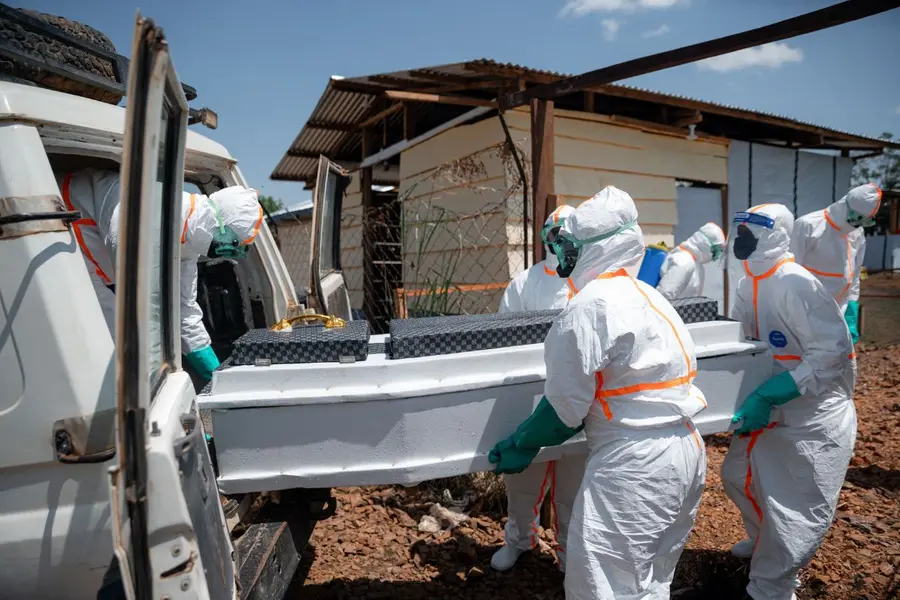
Kampala, June 13: Uganda has objected to travel restrictions imposed by several countries, including the United States, in response to an Ebola outbreak linked to neighbouring Democratic Republic of Congo (DRC), describing the measures as unfair and disproportionate to the actual public health risk.
Ugandan officials said the country’s handling of the outbreak has been effective, with only two deaths recorded among 19 confirmed cases since infections linked to the DRC outbreak were detected in May.
Most of those infected were Congolese nationals who crossed into Uganda from the DRC, where the outbreak has grown rapidly.
According to health authorities, more than 676 Ebola cases and 136 deaths have been reported in the DRC since mid-May.
Uganda’s Permanent Secretary for Health, Diana Atwine, said health officials, aviation authorities, diplomats and airline operators met on Friday to discuss the impact of travel restrictions on the country.
While acknowledging the need for vigilance, she argued that broad travel bans undermine confidence in nations that report outbreaks transparently and are not justified by the current level of risk.
The United States, Canada and the United Arab Emirates are among the countries that have introduced restrictions affecting travellers from Uganda, the DRC and South Sudan due to concerns over the outbreak.
Uganda’s response has received praise from international health experts. During a visit earlier this week, World Health Organization Director-General Tedros Adhanom Ghebreyesus commended the country’s efforts to contain the disease.
However, the WHO warned on Friday that the outbreak in the DRC is expanding into new areas, raising concerns about further cross-border transmission.
The current outbreak is caused by the Bundibugyo strain of Ebola, for which there is no approved vaccine or specific treatment.
The virus spreads through close contact with infected individuals or bodily fluids and has claimed more than 15,000 lives across Africa over the past five decades.
Published: 13 Jun 2026, 02:19 pm IST
Disclaimer: Kindly avoid objectionable, derogatory, unlawful and lewd comments, while responding to reports. Such comments are punishable under cyber laws. Please keep away from personal attacks. The opinions expressed here are the personal opinions of readers and not that of Mathrubhumi.
