
The UAE reopened its airspace after a brief shutdown triggered by Iranian missile and drone threats, as regional tensions and oil market fears escalate.
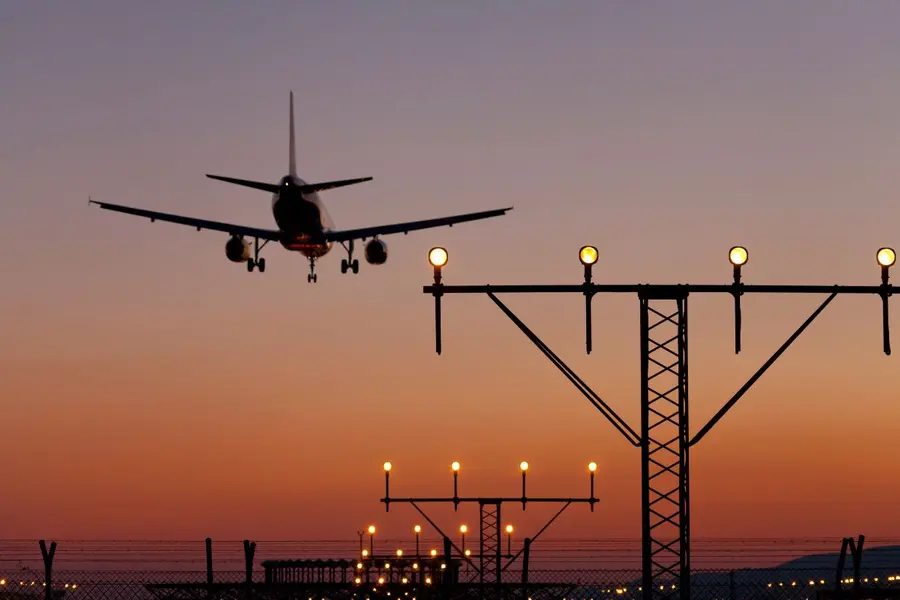
The United Arab Emirates reopened its airspace on Tuesday after a short suspension triggered by what its military described as incoming missile and drone threats from Iran. The temporary halt affected flights across one of the world’s busiest aviation hubs before operations resumed once officials said conditions had stabilised.
The move came amid escalating conflict across the Middle East, with new exchanges of fire involving Iran, the United States and Israel.
UAE confirms threat response before lifting closure
The UAE’s military said earlier on Tuesday that it was responding to “missile and drone threats from Iran”, prompting authorities to suspend flights and shut airspace as a precaution.
State news agency WAM later cited the country’s General Civil Aviation Authority, General Civil Aviation Authority, as confirming that the closure had been lifted once the “situation stabilised”.
Flights began resuming shortly after the announcement, though officials cautioned that further disruptions were possible as regional tensions persist.
Regional war intensifies
Sirens sounded in northern Israel early Tuesday as the Israeli military reported a barrage of Iranian missiles near the area south of the Sea of Galilee. No casualties were reported.
The flare-up followed a day of heavy strikes in Tehran, where the US and Israel carried out coordinated attacks on military positions. Israel also increased bombardments against Iran-backed groups in Lebanon as the conflict entered another volatile phase.
Global oil fears as Hormuz shipping slows
Concerns over global energy supplies deepened as only a small number of vessels managed to pass through the Strait of Hormuz, a route that normally channels around 20 per cent of the world’s oil. Iranian attacks on commercial ships have sharply reduced traffic, pushing oil prices higher and fuelling fears of a broader economic shock.
Brent crude remained above $100 a barrel. US President Donald Trump said he had urged several countries to deploy naval forces to keep the strait open, but none had immediately agreed.
Iranian Foreign Minister Abbas Araghchi insisted the waterway was open “from our perspective”, excluding access to the US, Israel and their allies. He dismissed claims that Tehran sought negotiations to end the war as “delusional”.
(With inputs from AP)
Published: 17 Mar 2026, 07:55 am IST
Related Topics
Disclaimer: Kindly avoid objectionable, derogatory, unlawful and lewd comments, while responding to reports. Such comments are punishable under cyber laws. Please keep away from personal attacks. The opinions expressed here are the personal opinions of readers and not that of Mathrubhumi.
