
Trump and Zelenskyy are set to meet in New York amid renewed US efforts to reduce hostilities between Russia and Ukraine, with energy security and possible de-escalation measures expected to feature in the discussions.
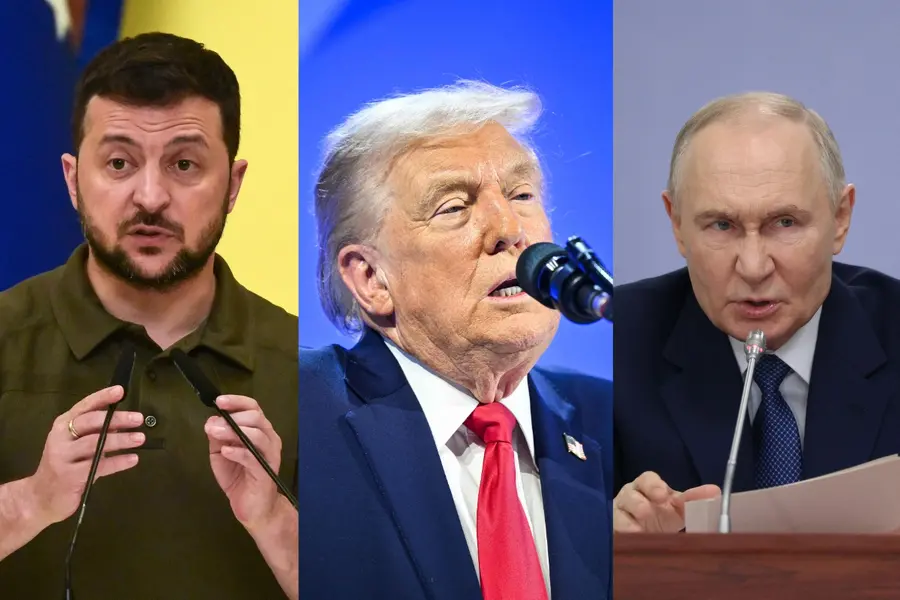
US President Donald Trump and Ukrainian President Volodymyr Zelenskyy are set to meet in New York on the sidelines of the UN General Assembly, as Washington pushes for de-escalation measures in the Russia-Ukraine war amid continuing attacks.
Zelenskyy said on Sunday that he had spoken with Trump and that the two leaders agreed to meet in New York during the UN General Assembly.
Also Read

He described the conversation as important and said there was "diplomatic momentum" around efforts to address the war. Zelenskyy said the peace track remained Ukraine's top priority and that discussions included possible de-escalation measures and security issues.
The planned meeting comes as fighting continues and both Russia and Ukraine have carried out long-range strikes.
Energy security and Russian oil facilities in focus
According to Axios, Trump urged Zelenskyy during their phone call to stop Ukrainian attacks on Russian oil refineries. The issue has become part of the wider discussion over energy supplies and fuel prices.
Zelenskyy has previously indicated that Ukraine could consider stopping attacks on Russian energy facilities if Moscow provides firm guarantees against attacks on Ukrainian critical infrastructure.
The US has also been examining possible short-term de-escalation measures ahead of winter while seeking to revive wider negotiations.
Witkoff and Kushner's Kyiv visit
Zelenskyy thanked Trump for the recent visit to Kyiv by US envoys Steve Witkoff and Jared Kushner.
The two envoys held discussions with Ukrainian officials after also meeting Russian President Vladimir Putin in Moscow. The US has been seeking ways to bring the sides back towards negotiations.
Zelenskyy said the discussions covered energy security, food security and protection of human life.
Meeting comes amid intensified attacks
The diplomatic push is taking place against the backdrop of continued military escalation.
On the final day of Russia's parliamentary election, Ukraine launched a large-scale drone attack across Russia, including Moscow. Reuters reported that Russian authorities said more than 1,600 drones had been intercepted since Saturday, while strikes caused deaths and damage in the Moscow region.
The attacks came as Russia's parliamentary election was being held. Reuters reported that preliminary results showed the ruling United Russia party leading the vote, in an election Putin had presented as a test of support for his policies and the war in Ukraine.
What the New York meeting could address
The meeting is expected to focus on possible steps to reduce hostilities and restart broader negotiations.
Issues already identified by Zelenskyy include energy security, food security and protection of civilians. The US has separately been exploring winter de-escalation measures, while the continued attacks underline the difficulty of reaching a wider settlement.
Any agreement would still require further discussions involving Russia and Ukraine, and the positions of the two sides on security guarantees and the terms of a broader settlement remain significant issues.
The New York meeting comes at a point when diplomatic contacts and military escalation are happening simultaneously. US envoys have recently held discussions in both Moscow and Kyiv, while Washington is exploring limited measures that could reduce attacks without immediately resolving the wider war.
Energy infrastructure has emerged as one possible area for de-escalation. Trump has raised concerns about Ukrainian strikes on Russian oil facilities, while Kyiv has linked any halt in such attacks to reciprocal guarantees regarding Russian strikes on Ukrainian infrastructure.
The timing is also significant because the meeting follows Russia's parliamentary election and a major Ukrainian drone offensive. The combination of political developments inside Russia, intensified battlefield activity and renewed US-led diplomatic contacts adds several overlapping issues to the agenda.
For now, there is agreement between Washington and Kyiv on pursuing diplomatic contacts, but the available statements do not establish that a broader peace agreement has been reached or that a comprehensive ceasefire is imminent.
Published: 21 Sept 2026, 06:53 am IST
ABOUT THE AUTHOR
Disclaimer: Kindly avoid objectionable, derogatory, unlawful and lewd comments, while responding to reports. Such comments are punishable under cyber laws. Please keep away from personal attacks. The opinions expressed here are the personal opinions of readers and not that of Mathrubhumi.