
This action follows the conviction of a former contractor who stole and leaked tax information belonging to Trump and other wealthy individuals.
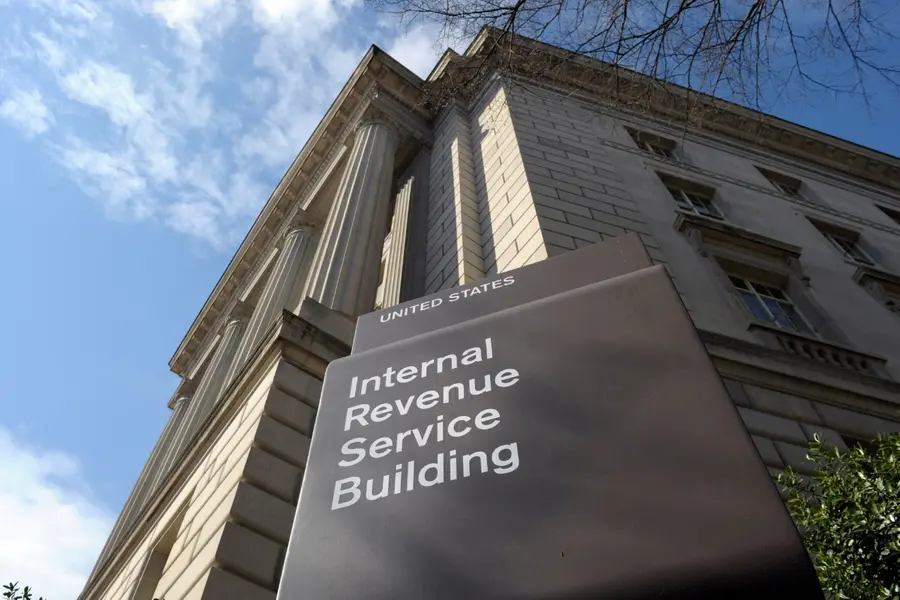
US President Donald Trump filed a $10 billion lawsuit against the IRS and the Treasury Department on Thursday, alleging the federal agencies failed to safeguard his private financial data from a massive leak that occurred during his first administration.
The complaint, filed in a Florida federal court, names the president’s adult sons, Donald Trump Jr. and Eric Trump, along with the Trump Organisation as co-plaintiffs. The suit claims the unauthorised release of confidential tax records to news organisations between 2018 and 2020 resulted in "reputational and financial harm, public embarrassment, unfairly tarnished their business reputations, portrayed them in a false light, and negatively affected President Trump, and the other Plaintiffs’ public standing."
The legal action centres on the conduct of Charles Edward Littlejohn, a former contractor for the defence and national security firm Booz Allen Hamilton. In 2024, Littlejohn was sentenced to five years in prison after pleading guilty to stealing and leaking tax information belonging to Trump and thousands of other wealthy Americans, including Jeff Bezos and Elon Musk.
Prosecutors previously characterised Littlejohn’s theft as "unparalleled in the IRS’s history." The disclosures, which were published by The New York Times and ProPublica, suggested the president had paid little to no federal income tax for many years, revelations the lawsuit argues "adversely impacted President Trump’s support among voters in the 2020 presidential election."
The lawsuit follows a major policy shift at the Treasury Department. Earlier this week, Treasury Secretary Scott Bessent announced the termination of all 31 active contracts with Booz Allen Hamilton, totalling approximately $21 million in obligations.
Bessent stated the firm “failed to implement adequate safeguards to protect sensitive data, including the confidential taxpayer information it had access to through its contracts with the Internal Revenue Service.”
Littlejohn’s breach violated IRS Code 6103, a federal statute that provides some of the government’s strictest privacy protections. While the former contractor remains imprisoned, Trump’s attorneys argue that the agencies’ negligence in oversight allowed the "unlawful disclosure" to happen.
Spokespeople for the White House, the Treasury Department, and the IRS were not immediately available for comment late Thursday.
With inputs from AP
Published: 30 Jan 2026, 10:04 am IST
Related Topics
Disclaimer: Kindly avoid objectionable, derogatory, unlawful and lewd comments, while responding to reports. Such comments are punishable under cyber laws. Please keep away from personal attacks. The opinions expressed here are the personal opinions of readers and not that of Mathrubhumi.
