
Donald Trump warned on Friday that Iran may be planning to resume its nuclear programme "at a different location," calling it a "problem"
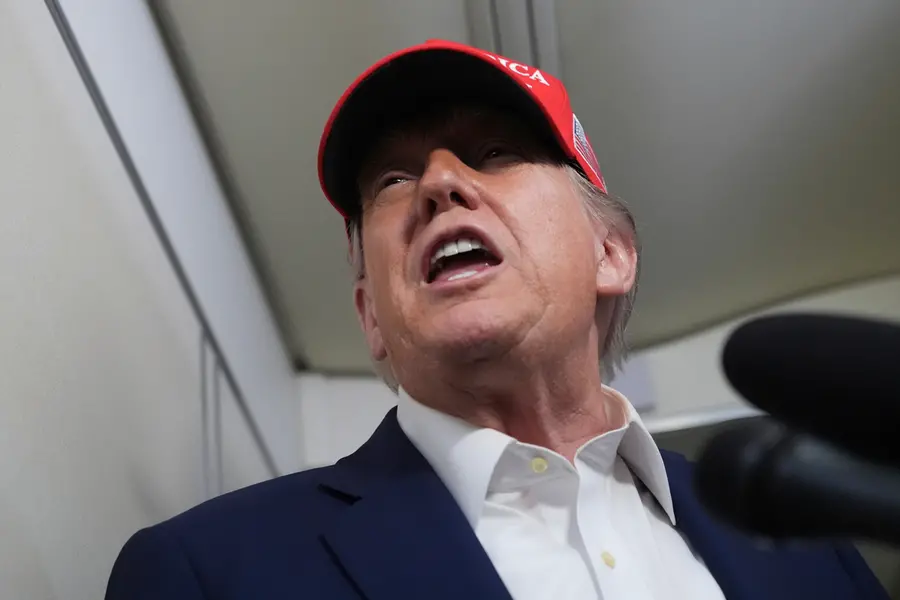
Washinton DC: United States President Donald Trump has expressed concern that Iran could resume its nuclear programme at a new undisclosed site. Speaking aboard Air Force One en route to New Jersey following Independence Day celebrations, Trump remarked, “I would think they’d have to start at a different location. And if they did start, it would be a problem.” Despite claiming Iran’s nuclear ambitions have been “set back permanently,” he acknowledged the potential for Tehran to revive its efforts elsewhere.
Trump also confirmed that he would discuss the Iran issue with Israeli Prime Minister Benjamin Netanyahu during an upcoming meeting at the White House on Monday, where discussions are also expected to include a potential Gaza ceasefire.
The International Atomic Energy Agency (IAEA) has been unable to conduct inspections at Iranian nuclear sites since the onset of the latest conflict. This impasse follows a June 12 IAEA resolution accusing Tehran of non-compliance—just one day before Israeli airstrikes on Iran’s nuclear infrastructure.
In response, Iranian President Masoud Pezeshkian has formally severed ties with the IAEA, following the Guardian Council’s approval of a bill suspending cooperation with the UN watchdog. Council spokesman Hadi Tahan Nazif stated the move is intended to uphold Iran’s sovereignty and protect its scientists and nuclear facilities. The law maintains that cooperation will only resume once safety guarantees are provided.
Iranian Foreign Minister Abbas Araghchi further escalated tensions by rejecting IAEA Director General Rafael Grossi’s request to inspect bombed sites, labelling the visit “meaningless” and “possibly malign in intent.”
Although Washington and Tel Aviv claim that three uranium enrichment facilities were destroyed or seriously damaged in recent joint strikes, questions remain over Iran’s remaining stockpile—particularly the estimated 400 kilograms of uranium enriched up to 60%, close to weapons-grade purity.
These developments have raised alarms over the lack of international monitoring and the possibility of covert nuclear activities restarting under diminished oversight.
(With AFP inputs)
Published: 05 Jul 2025, 08:25 pm IST
Disclaimer: Kindly avoid objectionable, derogatory, unlawful and lewd comments, while responding to reports. Such comments are punishable under cyber laws. Please keep away from personal attacks. The opinions expressed here are the personal opinions of readers and not that of Mathrubhumi.
