
Washington: In a blow to hopes for a last-minute trade agreement, US President Donald Trump confirmed on Monday that Canada and Mexico will not be able to avoid new, sweeping tariffs. Trump’s statement came just a day before a temporary halt on tariffs was set to expire.
In February, Trump had introduced, then delayed, blanket tariffs on imports from both Canada and Mexico. His reasoning stemmed from accusations that the countries were not doing enough to prevent illegal immigration and drug trafficking. However, with the halt set to end, Trump declared that there was "no room left" for either country to avoid the tariffs.
The tariffs could affect more than $918 billion worth of imports from Canada and Mexico, with potential consequences for industries reliant on cross-border trade, such as automotive and construction.
US to raise tariffs on China
In addition to the new tariffs on its North American neighbours, Trump also signed an order to raise tariffs on Chinese goods. Previously set at 10 percent, the tariff rate on Chinese imports will now double to 20 percent. This move adds to the existing levies on a variety of Chinese products.
In response, China has warned that it will take "countermeasures" to protect its interests. Economists are concerned that these additional tariffs could push up consumer prices and disrupt economic growth.
The Tax Foundation has predicted that these new tariffs could reduce the US economy by 0.1 percent each, for both Canada, Mexico, and China, before accounting for any retaliatory actions from these countries.
The new tariffs, particularly those on Canada and Mexico, are expected to cause significant disruptions to supply chains in key industries, such as automobiles and construction materials. This could lead to increased costs for US households, complicating Trump’s campaign promise to lower prices for American consumers.
Trump, however, defended his stance, suggesting that industries like car manufacturing should shift operations to the United States to avoid these duties. Canadian energy goods are expected to face lower tariffs than other imports.
Reactions from Canada, Mexico
The looming tariffs have sparked strong reactions from both Canada and Mexico. Canadian Foreign Minister Melanie Joly called the tariffs an “existential threat,” warning of potential job losses in her country. She confirmed that Canada is prepared to implement counter-tariffs if Trump follows through on his plans.
Mexican President Claudia Sheinbaum also assured that her government has contingency plans in place, no matter how the US proceeds.
The economic effects of Trump’s tariff plans could be far-reaching. Experts warn that the tariffs, if fully implemented, could result in the highest effective tariff rate the US has seen since 1936. Diane Swonk, chief economist at KPMG, noted that these measures could harm both consumers and manufacturers, leading to higher prices and job losses as companies attempt to manage the increased costs.
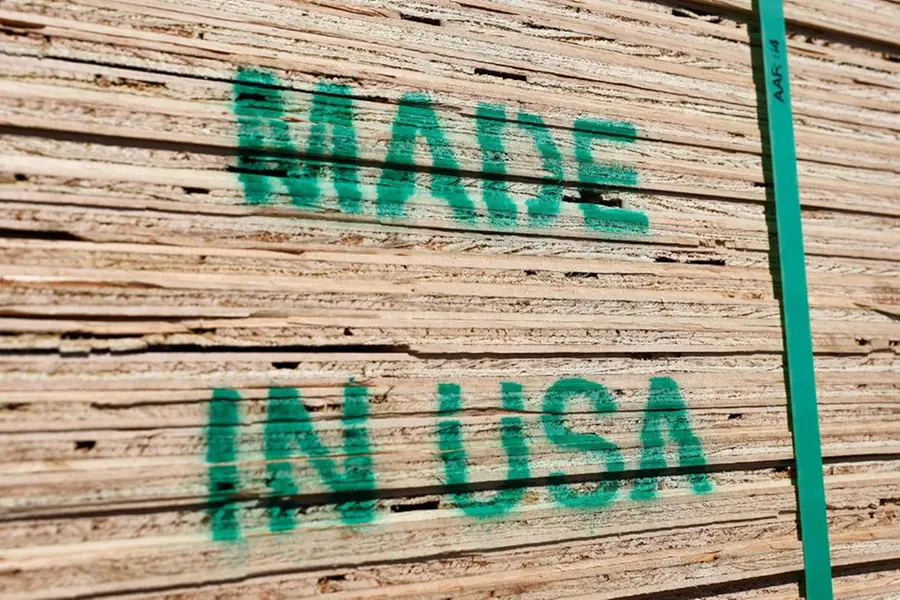
Robert Dietz, chief economist at the National Association of Home Builders, predicted that US homebuilders could face additional costs due to higher tariffs on Canadian lumber, which may increase the price of new homes by up to $10,000.
Pushback from US industry groups
Industry groups have voiced strong opposition to Trump’s tariff policies. The US-China Business Council, which represents over 270 American companies doing business in China, warned that sweeping tariffs would hurt US businesses, consumers, and farmers, ultimately undermining American competitiveness.
Similarly, the National Retail Federation cautioned that as long as tariffs on Canada and Mexico remain in place, US consumers will face higher prices for everyday goods.
One of the key drivers behind Trump’s tariffs on China is the country’s role in the supply of chemicals used to produce illicit fentanyl, a deadly drug. However, many of the chemicals involved also have legitimate uses, complicating enforcement efforts.
Canadian Prime Minister Justin Trudeau has pointed out that less than 1% of fentanyl and undocumented migrants entering the US come through Canada’s border, challenging Trump’s justification for the tariffs on his country.
Agency
Published: 04 Mar 2025, 07:24 am IST
Related Topics
Disclaimer: Kindly avoid objectionable, derogatory, unlawful and lewd comments, while responding to reports. Such comments are punishable under cyber laws. Please keep away from personal attacks. The opinions expressed here are the personal opinions of readers and not that of Mathrubhumi.
