
President Donald Trump is facing reluctance from US allies to support military operations in Iran, highlighting the consequences of his confrontational approach over the past year
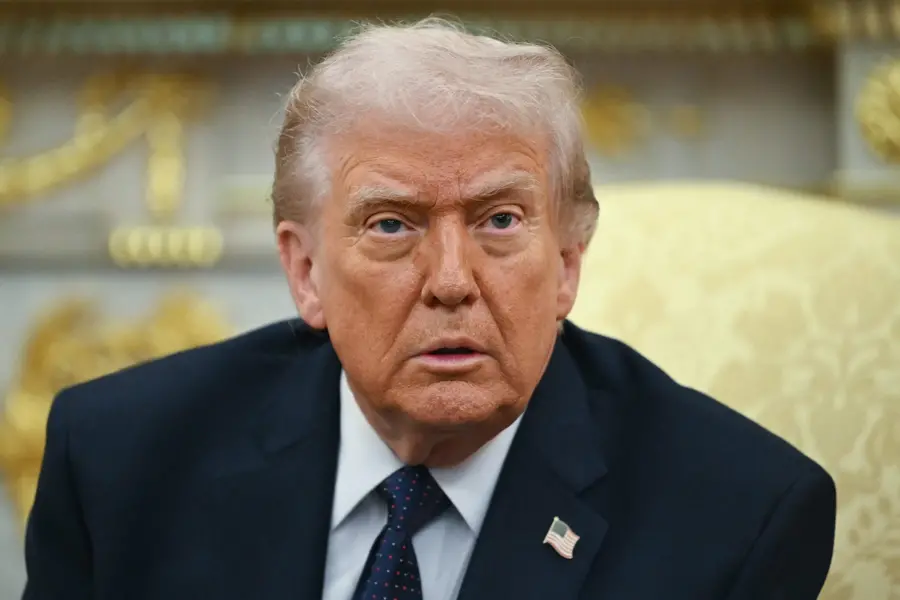
Washington DC: President Donald Trump, in his first year back in office, has spent much of his time criticising and alienating US allies. Now, as the United States engages in a conflict with Iran, he expects these same partners to assist in reopening the strategic Strait of Hormuz, a demand that has been met with considerable reluctance abroad.
Trump’s confrontational approach has included tariffs on allied nations, repeated verbal attacks on NATO members over their defence spending and support for Ukraine, and threats such as invading Greenland. This has eroded trust and left many international partners sceptical about providing military or logistical support in Iran. Philip Gordon, former national security advisor to Vice President Kamala Harris, described the expectation as “extraordinary,” noting that it is unreasonable to ask countries to risk lives for a president who has spent over a year disparaging them.
Also Read

Trump has framed the situation as a matter of fairness, insisting that countries relying on oil through the Strait of Hormuz “owe” the United States for decades of protection. He has also criticised China for not contributing, though the willingness of other nations remains limited.
Foreign capitals are cautious about joining a conflict they were not consulted on, particularly as it disrupts global economies and adds to their existing burdens. The US has launched military action without formal consultation, yet expects allies to manage its consequences, a situation Erwan Lagadec of George Washington University describes as layered with irony. NATO, he adds, is unlikely to reach consensus for a major operation in the Strait of Hormuz due to political and logistical constraints.
Unlike President George W. Bush in 2003, who built a “coalition of the willing” of over 40 countries for the Iraq war, Trump has not secured comparable international backing. European nations, already dealing with economic pressures and the ongoing conflict in Ukraine, face practical limitations in participating. Liana Fix of the Council on Foreign Relations emphasises that this is not a matter of loyalty but of real policy trade-offs.
While allies may tread carefully to avoid antagonising Trump, there is growing recognition that they can no longer be coerced. Philip Gordon notes that Trump’s history of bullying may no longer achieve compliance, signalling a shift in how the US administration’s demands are received internationally.
In summary, Trump’s Iran strategy exposes the limits of unilateral action and the risks of relying on global partners who have been repeatedly alienated. With NATO consensus unlikely and key allies wary, the United States faces a complex diplomatic and strategic challenge in pursuing its objectives in the Strait of Hormuz.
(With AFP inputs)
Published: 17 Mar 2026, 07:35 am IST
Disclaimer: Kindly avoid objectionable, derogatory, unlawful and lewd comments, while responding to reports. Such comments are punishable under cyber laws. Please keep away from personal attacks. The opinions expressed here are the personal opinions of readers and not that of Mathrubhumi.