
He claims the decision allows him to use alternative trade mechanisms and licensing powers in a "much more powerful and obnoxious way" against countries he believes are "RIPPING US OFF."
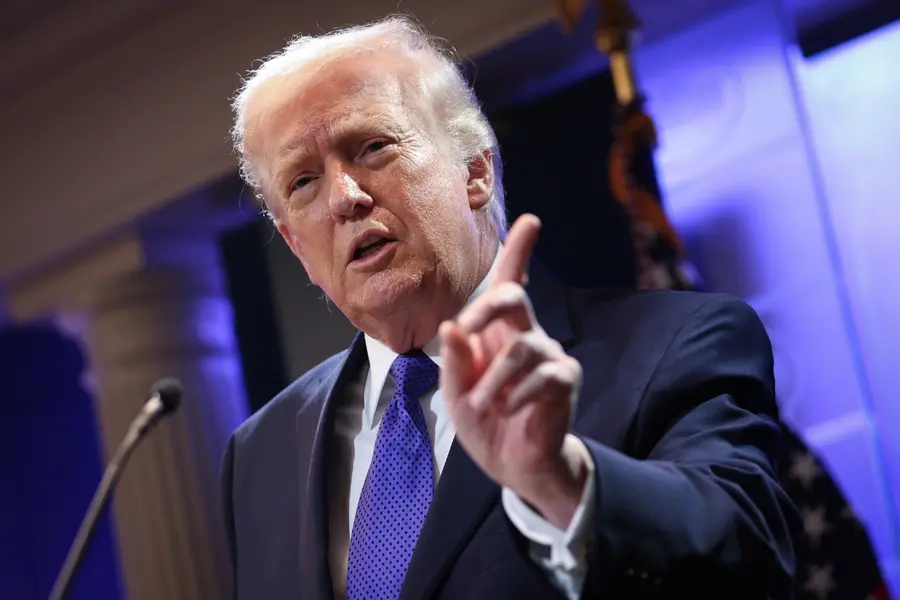
Washington: US President Donald Trump unleashed a defiant social media broadside Monday following a Supreme Court rebuke of his trade policies, asserting that the high court "accidentally and unwittingly" expanded his executive authority.
The President claimed the ruling provides him "legal certainty" to utilise alternative trade mechanisms in a "much more powerful and obnoxious way." His remarks represent a rapid rhetorical pivot after the "supreme court", which he noted he would be using lowercase letters for due to a "complete lack of respect", struck down his initial tariff framework on Friday.
'Terrible' Licensing Powers
Despite the judicial setback, the President signalled he would leverage remaining executive tools to pressure foreign trading partners.
"For one thing, I can use Licenses to do absolutely 'terrible' things to foreign countries," Trump wrote on Truth Social, specifically targeting nations he claimed have been "RIPPING US OFF for many decades."
The President expressed frustration that while the court’s opinion allows for various types of leverage, it restricted his ability to attach specific fees to those actions. "ALL LICENSES CHARGE FEES, why can’t the United States do so?" he questioned, arguing that the primary purpose of a license is to generate a fee.
ALSO READ: Indian markets rally as US Court strikes down Trump’s global tariffs
Judicial Criticism and Policy Shift
The President did not mince words regarding the six justices who ruled against his plan, labelling the court "incompetent" and stating they should be "ashamed of themselves." He notably exempted three specific justices, the "Great Three" who dissented, from his ire. He accused the majority of making decisions that are "deleterious to the future of our Nation" and performing "a great job for the wrong people."
Key elements of the President's revised stance include:
- Alternative Tariffs: A claim that other existing statutes can now be deployed with greater legal shielding than the initially used authorities.
- Birthright Citizenship: A warning that the court might next rule "in favour of China" on the issue of the 14th Amendment. He argued the amendment was specifically timed for the end of the Civil War to care for the "babies of slaves" and was not intended for broad citizenship.
- Executive Resolve: A conclusion that, despite judicial interference, he has "a job to do" to "MAKE AMERICA GREAT AGAIN!"
Context of the 'U-Turn'
The shift in strategy follows what the President described as a "ridiculous, dumb, and very internationally divisive ruling." By pivoting to licensing and alternative tariff authorities, such as Section 122 of the Trade Act, the administration appears to be seeking a workaround to continue its "America First" agenda while circumventing the specific legal hurdles raised by the court’s 6-3 opinion.
Published: 23 Feb 2026, 08:29 pm IST
Related Topics
Disclaimer: Kindly avoid objectionable, derogatory, unlawful and lewd comments, while responding to reports. Such comments are punishable under cyber laws. Please keep away from personal attacks. The opinions expressed here are the personal opinions of readers and not that of Mathrubhumi.
