
She called for high-level dialogue between Trump and Modi to mend relations strained by trade disputes, despite India's firm defense of its national interests.
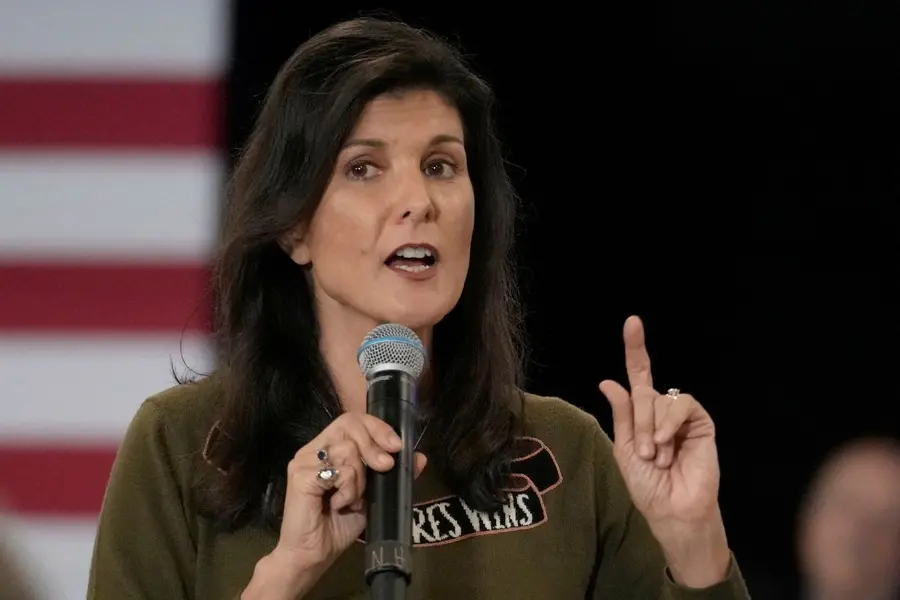
New Delhi: Former US Ambassador to the United Nations Nikki Haley has called on India to take former President Donald Trump’s concerns over Russian oil imports seriously and urged the Indian government to work closely with the White House to find a resolution, “the sooner the better.” Posting on X, Haley emphasised that “decades of friendship and goodwill between the world's two largest democracies provide a solid basis to move past the current turbulence.”
Haley acknowledged that navigating complex issues like trade disagreements and Russian oil imports requires “hard dialogue,” but insisted that these challenges should not obscure the larger shared strategic goals of India and the United States. “To face China, the United States must have a friend in India,” she wrote, underscoring India’s vital role as a democratic counterweight to China’s growing geopolitical ambitions.
In a recent opinion piece co-authored with Bill Drexel of the Hudson Institute, Haley criticised the Trump administration’s approach to escalating tariffs on Indian goods, including moves targeting India’s purchases of Russian crude oil. She cautioned that treating India like an adversary, similar to China, would be a “strategic disaster,” warning that it risks undermining over two decades of diplomatic progress between the two nations.
Highlighting India’s strategic value, Haley pointed to its role in helping the US diversify critical supply chains away from China, particularly in manufacturing sectors like textiles, inexpensive electronics, and solar panels. She also underscored India’s expanding military ties with the US and its allies, which enhance global security in a region increasingly dominated by Chinese influence.
Haley urged high-level engagement between President Trump and Prime Minister Narendra Modi to “reverse the downward spiral” in bilateral relations caused by tariffs and disputes, advocating for a cooperative approach focused on shared interests rather than conflict.
India’s external affairs leaders have responded firmly to US criticisms, reinforcing their policy decisions as guided by national interests while condemning punitive tariff actions.
The recent suspension of some postal services to the US marks ongoing tensions, but Haley’s message highlights the urgency of diplomacy to preserve what she calls a “prized free and democratic partnership.”
Published: 24 Aug 2025, 09:49 am IST
Related Topics
Disclaimer: Kindly avoid objectionable, derogatory, unlawful and lewd comments, while responding to reports. Such comments are punishable under cyber laws. Please keep away from personal attacks. The opinions expressed here are the personal opinions of readers and not that of Mathrubhumi.
