
As Tehran shows signs of cautious recovery following a US-brokered ceasefire, many residents fear that peace may be short-lived
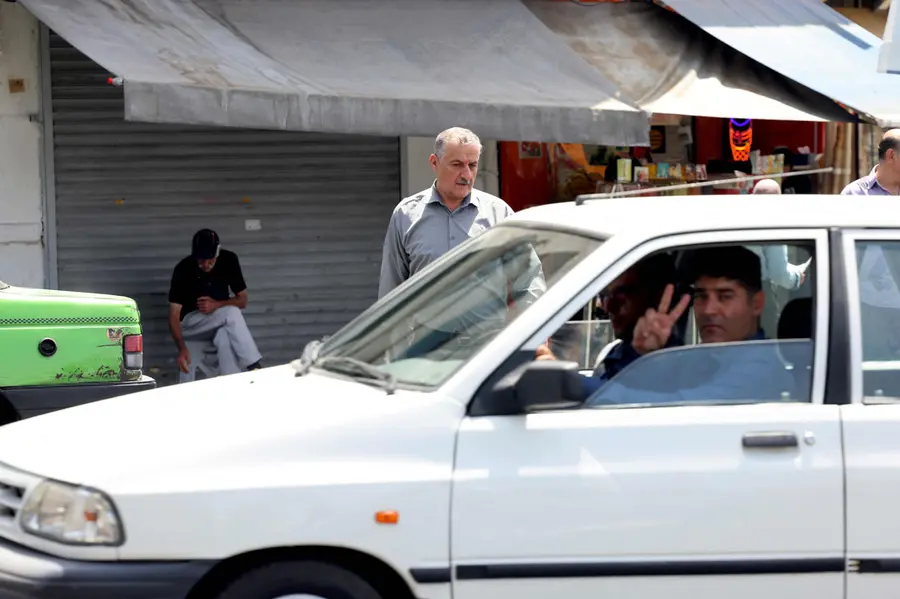
Tehran: Tehran began to regain some semblance of normalcy on Tuesday after nearly two weeks of conflict between Iran and Israel, though many residents remain deeply sceptical that the ceasefire brokered by US President Donald Trump will hold.
The capital’s typically bustling Tajrish bazaar in the north was moderately active, with vendors and customers cautiously returning. But doubts about the future of the truce dominated conversations.
“I don’t think it is sustainable,” said Ahmad Barqi, a 75-year-old electronics vendor. “We would like a ceasefire... but they don’t implement it, they don’t keep to their promises,” he added, blaming Israel for past violations.
Another merchant, Alireza Jahangiri, echoed the sentiment, citing Iranian state media reports that Israel had conducted three rounds of strikes after the ceasefire was announced.
Despite fears, no new airstrikes were reported in Tehran since early morning. Residents, clearly relieved, were seen taking strolls in parks and enjoying the weather. Cafes also welcomed small crowds of young people who were finally able to meet friends after days of disruption.
However, many of those who had fled the capital are not yet ready to return. Amir, 28, speaking to AFP by phone from the north of Iran, said: “We will stay another week to see how things develop.”
He described how the news of the ceasefire shocked him: “Trump said he would think for two weeks before making a decision (to bomb Iran), but all of a sudden he bombed everywhere. He said he wasn’t pursuing regime change and all of a sudden, boom, peace. I really don’t know… but honestly, I don’t think things will return to normal.”
Others, like Benyamin, also 28, said they had no choice but to return to Tehran due to financial constraints.
The 12-day war has taken a significant toll on Tehran’s economy. Public and private sector offices were closed, especially in sensitive areas. Israeli strikes targeted infrastructure, particularly buildings associated with the military, the Revolutionary Guards, and Iran’s nuclear programme.
“When there’s a war, everyone suffers economically,” said Jahangiri. “But I don’t think we should think about that right now. The priority is the aggression against our beloved country,” he added.
Iranian authorities have described the ceasefire as a unilateral Israeli retreat, claiming it was “a triumph that forced the enemy to regret, accept defeat and unilaterally cease its aggression”.
Still, they warned that Iran remains vigilant. “We do not trust our enemies at all and we keep our finger on the trigger for a decisive response,” an official statement read, reflecting the cautious mood across Tehran.
(With AFP inputs)
Published: 24 Jun 2025, 08:37 pm IST
Related Topics
Disclaimer: Kindly avoid objectionable, derogatory, unlawful and lewd comments, while responding to reports. Such comments are punishable under cyber laws. Please keep away from personal attacks. The opinions expressed here are the personal opinions of readers and not that of Mathrubhumi.
