
While the Supreme Court has curtailed one of Trump’s most aggressive trade tools, the fight over tariffs is far from over
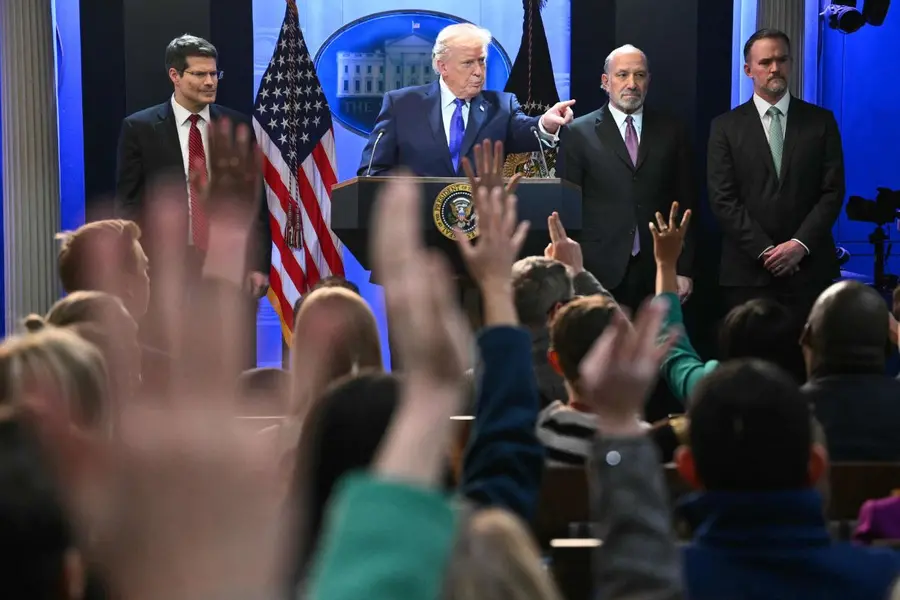
Washington: The Supreme Court has delivered a major setback to President Donald Trump by ruling that his global tariffs imposed last year were illegal. While the decision is a relief for U.S. businesses and consumers, it opens a new chapter of uncertainty over trade policy, refunds, and potential new duties.
What the ruling means
By a 6-3 vote, the high court said Trump overstepped his authority under the International Emergency Economic Powers Act (IEEPA) when he imposed broad tariffs on nearly all imports. The court did not, however, address whether businesses can reclaim the roughly $175 billion in import taxes collected during the period.
Analysts expect the issue of refunds to play out in lower courts. The U.S. Court of International Trade is likely to handle the process, but any importer seeking a refund must file suit individually. More than 1,000 companies are reportedly already involved in legal action.
ALSO READ | US Supreme Court blocks Trump's broad tariffs, limiting presidential economic powers
Trump dismissed the ruling as “deeply disappointing” and attacked the justices personally, calling them “fools and lapdogs” and claiming they were “very unpatriotic and disloyal to our Constitution.”
Refunds and new tariffs
Despite the setback, Trump has indicated he will continue to use other statutory powers to impose tariffs. On Friday, he signed an executive order enabling a 10% global tariff under Section 122 of the Trade Act of 1974. This authority allows tariffs for up to 150 days unless Congress intervenes.
In addition, the administration plans new investigations under Section 301 of the Trade Act of 1974, which targets unfair trade practices. Section 301 tariffs require a process including investigations and hearings, and there are no strict limits on their size, though they typically expire after four years unless extended.
Impact on businesses and consumers
The Supreme Court’s decision reduces the fastest method Trump had for imposing tariffs but does not eliminate trade tensions. U.S. Treasury Secretary Scott Bessent said that while the tariffs could be restored, it would now be through a more complex process.
ALSO READ | US equities rise as Supreme Court strikes down key Trump tariffs
For now, the ruling lowers the average effective tariff rate in the U.S. from 16.9% to around 9.1%, the highest level since 1946 aside from 2025. Analysts predict the change may eventually lead to more orderly tariff impositions and potentially lower overall rates.
Political and trade implications
The decision comes as Trump continues to campaign for his economic agenda, including promises of trade-based revival. Lawmakers, including former Senate Republican leader Mitch McConnell, have said the ruling reinforces Congress’ constitutional role in setting tariffs. Democrats have called the ruling a check on Trump’s “illegal” actions that hurt American families and businesses.
ALSO READ | Trump-era tariffs overturned: How will US businesses get their billions back?
Experts warn that ongoing uncertainty over tariffs could affect trade deals and negotiations, especially with smaller countries, though many partners may stick to agreements already in place rather than risk destabilizing relations with the U.S.
Key points so far
- The Supreme Court struck down Trump’s global tariffs under IEEPA.
- Refunds for $175 billion in collected tariffs are not automatic; businesses must sue individually.
- Trump plans a temporary 10% tariff under Section 122 and may pursue new Section 301 investigations.
- Average U.S. tariffs drop from 16.9% to 9.1%, though new measures may offset the reduction.
- The ruling reinforces Congress’ role in trade policy and limits the president’s unilateral authority.
While the Supreme Court has curtailed one of Trump’s most aggressive trade tools, the fight over tariffs is far from over. Businesses, consumers, and lawmakers now face months of uncertainty as the U.S. navigates legal battles, potential new duties, and the political implications ahead of upcoming elections.
Published: 21 Feb 2026, 10:44 am IST
Related Topics
Disclaimer: Kindly avoid objectionable, derogatory, unlawful and lewd comments, while responding to reports. Such comments are punishable under cyber laws. Please keep away from personal attacks. The opinions expressed here are the personal opinions of readers and not that of Mathrubhumi.
