
Takaichi is a fierce nationalist and Thatcher admirer, and faces the challenge of steering a struggling economy and rebuilding public trust in Japan’s ruling conservatives.
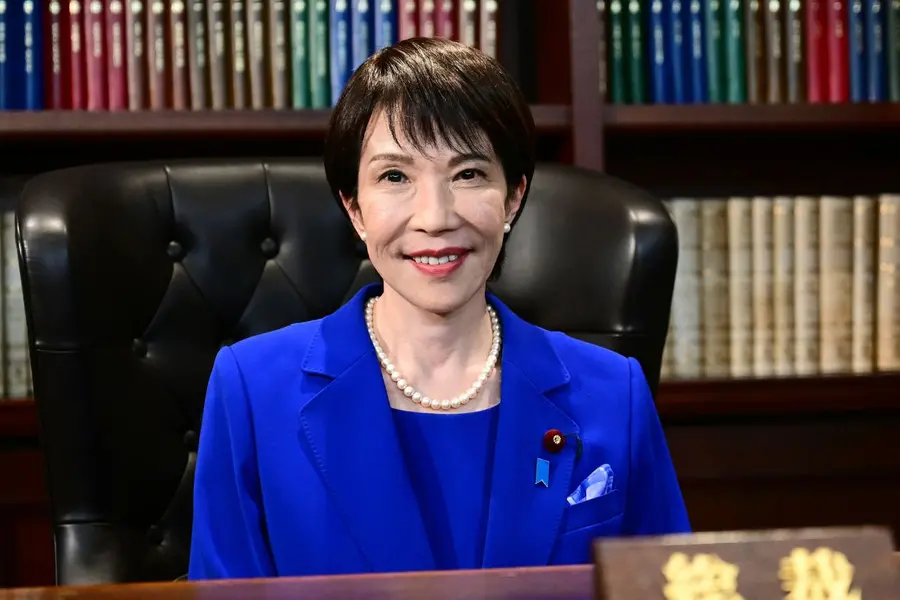
Tokyo: Japan is set to see a historic leadership change. On Saturday, Sanae Takaichi, a veteran conservative politician, was chosen to lead the ruling Liberal Democratic Party (LDP) after a tense two-round vote among lawmakers and party members, defeating four male rivals.
Her election all but guarantees her appointment as Japan’s first female prime minister when parliament votes on October 15 to replace outgoing leader Shigeru Ishiba.
At 64, Takaichi is known for her tough, Thatcher-inspired style — a nod to her idol, former British Prime Minister Margaret Thatcher.
Yet her challenge is daunting: she inherits a nation grappling with rising living costs, public frustration, and waning faith in the LDP, which has lost several key elections in the past year.
Opposition parties have surged by promising economic relief and tighter immigration controls.
From Nara to Nagatacho: Her Unusual Rise
Born in Nara, central Japan, Takaichi’s background stands out in a political culture dominated by dynasties. Her father worked at a car company, and her mother served as a police officer — far from the elite circles of Tokyo politics.
A graduate of Kobe University, Takaichi once played drums in a heavy metal band and rode motorcycles.
Early in her career, she interned in the United States under Congresswoman Patricia Schroeder (D-Colo), a feminist icon — a surprising twist for a politician now known for her conservative stance.
Her political journey began in 1993, when she was first elected to Japan’s parliament. Her rise accelerated in the 2000s as a close ally of former Prime Minister Shinzo Abe, whose legacy continues to shape Japan’s right-wing politics.
Like Abe, Takaichi has long advocated revising Japan’s pacifist constitution — a deeply divisive issue in a nation wary of militarism.
A Hardliner on China and Immigration
Takaichi’s reputation as a China hawk is well established. She has called for stronger defense capabilities and supports reviving “Abenomics” — the mix of low interest rates and fiscal stimulus that defined Abe’s economic policy.
Her campaign capitalised on a growing anti-immigration sentiment. She has proposed setting up a central command office to oversee foreign residents and border issues, saying Japan must “protect its identity and security.”
However, her views on history and gender have sparked controversy. Takaichi has questioned the extent of Japan’s wartime atrocities, and her frequent visits to Yasukuni Shrine, which honors Japan’s war dead — including convicted war criminals — have drawn protests from China and South Korea.
Critics accuse her of rolling back women’s rights: she supports laws requiring married couples to share a surname.
Still, she has pledged to expand women’s healthcare and appoint more women to leadership roles, promising that her cabinet will “look different from any before.”
Currently, only two of Japan’s 20 cabinet ministers are women, and women hold just 20% of parliamentary seats.
Takaichi’s Challenge Ahead
As she prepares to take office, Takaichi faces a nation divided between economic anxieties and identity politics. Whether Japan’s first woman leader can transform the party — and herself — may define the country’s next chapter.
Published: 05 Oct 2025, 01:49 pm IST
Related Topics
Disclaimer: Kindly avoid objectionable, derogatory, unlawful and lewd comments, while responding to reports. Such comments are punishable under cyber laws. Please keep away from personal attacks. The opinions expressed here are the personal opinions of readers and not that of Mathrubhumi.
