
Russia lost 28 square kilometres of territory in Ukraine in October, according to AFP's analysis of ISW data. Ukrainian forces continued their counter-offensive in Donetsk, while cyberattacks targeting emergency alert applications in both countries triggered false warnings, including a fake nuclear threat in Ukraine.
Moscow: Russian forces lost ground slightly across the Ukrainian front in October, surrendering an estimated 28 square kilometres of territory, according to an AFP analysis of data from the US-based Institute for the Study of War (ISW).
The figures indicate a broader slowdown in Russia's territorial advances since the beginning of 2026. Its average monthly gains have fallen from approximately 400 square kilometres in 2025 to around 11 square kilometres per month this year.
Also Read

The main territorial changes in recent months have taken place around the eastern Ukrainian cities of Kramatorsk and Sloviansk, in the Donetsk region.
Ukraine's counter-offensive around the garrison cities of Kramatorsk and Lyman resulted in the recapture of 172 square kilometres in September, according to the previous AFP analysis of ISW data.
The operation continued in October, with Ukrainian forces reportedly regaining another 60 square kilometres. Russian troops, however, also advanced south of Kramatorsk during the same period.
Russia controls nearly 20% of Ukraine
Despite the recent territorial setbacks, Moscow continues to control nearly 20 per cent of Ukrainian territory.
The latest figures indicate that Russia's territorial expansion has slowed considerably compared with the pace recorded last year. The October assessment also highlights the changing dynamics along the eastern front, where both sides continue to contest strategically important areas.
Russia and Ukraine are expected to hold another round of US-mediated negotiations in the United Arab Emirates in November.
However, efforts to negotiate an end to the war have remained stalled since February. The expected meeting comes as fighting continues across several parts of Ukraine.
In a separate development, authorities in both Russia and Ukraine reported cyberattacks targeting their emergency alert mobile applications late Sunday.
In Ukraine, users received false warnings about an imminent nuclear threat, high radiation levels and a possible chemical emergency. The messages also included claims of public disturbances in Kyiv and were reportedly written in English, Russian and Ukrainian, with spelling and grammatical errors.
Ukraine's air raid alert channel said unauthorised parties had interfered with the app. Authorities temporarily suspended the service but later said it was operational again. Officials advised users to rely on other emergency communication channels and avoid clicking suspicious links.
Ukraine's Air Force spokesman Yurii Ihnat said the incident had not affected military operations because the emergency alert application operates separately from military command systems.
Russia reports fake alerts across 33 regions
Russia's Emergency Situations Ministry said hackers had gained access to its mobile application and sent false emergency alerts across 33 of the country's 89 regions at around 2.45 am Moscow time.
The ministry said it had identified the digital vulnerability and was taking steps to prevent further breaches. It added that the wider public warning system, including SMS alerts, media broadcasts and municipal sirens, continued to function.
Kremlin spokesperson Dmitry Peskov said Russian government agencies faced a constant threat of cyberattacks, including attacks involving artificial intelligence, and called for stronger cybersecurity measures.
A Russian Telegram channel attributed the Ukrainian app breach to a hacking group called Hitcore, but the claim could not be independently verified. The identities and motivations of those responsible for either attack remain unclear.
Fighting continues despite temporary humanitarian ceasefire
The cyberattacks came as fighting continued in several parts of Ukraine following the end of a temporary humanitarian ceasefire in the Kherson region.
The local truce, which began on October 27, ended at midnight at the start of Monday. It had enabled a humanitarian aid and evacuation operation in the Russian-occupied city of Oleshky.
Ukraine's ombudsman Dmytro Lubinets said the mission had helped evacuate civilians, including a 94-year-old person. He also reported that 104 pets, including four parrots, were rescued.
Lubinets described the operation as a possible model for future humanitarian missions and said the involvement of US First Lady Melania Trump had been critical to securing cooperation.
Ukrainian authorities also reported fresh Russian drone attacks in Kherson, leaving a 62-year-old woman and a 73-year-old man hospitalised with blast injuries.
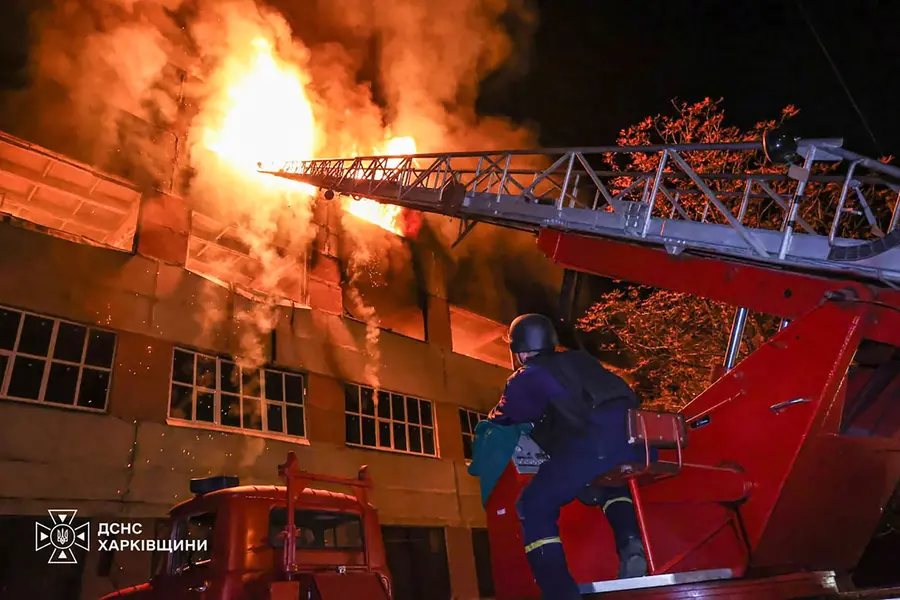
Elsewhere, drone strikes injured 12 people in the Kharkiv region and damaged residential buildings, greenhouses and a refrigeration facility. Five people were also reported injured in Odesa following an attack on a warehouse and nearby homes.
Russia's Defence Ministry said it had intercepted 212 Ukrainian drones overnight. Russian media outlets later reported that Ukrainian drones had targeted a major oil transport hub in the Samara region.
What the latest developments indicate
The October figures point to a shift in the territorial balance along parts of the Ukrainian front. Russia's reported loss of 28 square kilometres, combined with Ukraine's gains around Kramatorsk and Lyman, suggests that Kyiv has continued to make local advances.
However, these figures do not indicate a decisive change in the overall military situation. Russia still controls nearly one-fifth of Ukraine, and its forces have continued to advance in some areas even as they lost ground elsewhere.
The cyberattacks also highlight the growing importance of digital infrastructure during the conflict. Emergency alert applications are used to communicate threats to civilians, making their disruption a public safety concern. Although Ukraine said its military command systems were unaffected, false nuclear and chemical warnings could cause confusion and undermine public trust.
The expected November negotiations in the UAE will take place against this backdrop of continued fighting, territorial contestation and cyber threats. Whether the talks can make progress remains uncertain, particularly after negotiations stalled earlier in the year.
Published: 02 Nov 2026, 08:52 pm IST


ABOUT THE AUTHOR
Related Topics
Disclaimer: Kindly avoid objectionable, derogatory, unlawful and lewd comments, while responding to reports. Such comments are punishable under cyber laws. Please keep away from personal attacks. The opinions expressed here are the personal opinions of readers and not that of Mathrubhumi.