
The government blames the price surge on a combination of factors, including ongoing supply chain disruptions, extreme weather events, and market hoarding
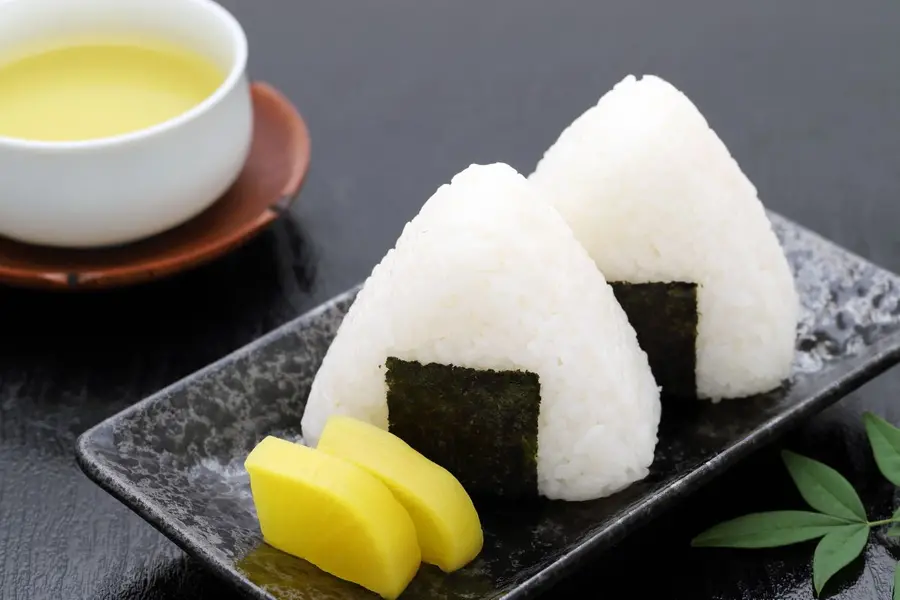
Tokyo: The price of rice in Japan has more than doubled in the past year, official data revealed on Friday, compounding inflationary pressures and mounting political challenges for Prime Minister Shigeru Ishiba as crucial elections loom.
The sharp rise in living costs has become a major issue ahead of next month’s upper house elections, with public dissatisfaction driving Ishiba’s approval ratings to their lowest since he assumed office in October. The latest figures show that rice prices surged by 101 percent year-on-year in May -- a dramatic increase following a 98.4 percent rise in April and 92.5 percent in March.
Rice, a staple of the Japanese diet, has become a focal point of public frustration, with the government forced to tap into its emergency reserves -- a rare step typically reserved for natural disasters -- to try to ease the burden.
The government blames the price surge on a combination of factors, including ongoing supply chain disruptions, extreme weather events, and market hoarding. A prolonged hot and dry summer two years ago devastated harvests, while some traders have reportedly stockpiled rice to profit from the shortages. Last year’s panic-buying, triggered by government warnings about a potential “megaquake”, further strained supplies.
The broader impact of rising prices has pushed Japan’s core inflation rate -- which excludes volatile fresh food prices -- to 3.7 percent in May, up from 3.5 percent in April and its highest level since January 2023.
Even when stripping out both energy and fresh food costs, so-called “core-core” inflation still rose to 3.3 percent, from 3.0 percent in April. Electricity bills climbed by 11.3 percent, and gas prices increased by 5.4 percent.
The spiralling cost of living has added urgency to the government’s response. In a bid to shore up support, Ishiba has pledged one-off cash handouts of 20,000 yen (£109) to every citizen, with children receiving double that amount. But the measures have done little to quell public unease.
“Since I'm a temp worker, my salary hasn’t increased in years, and it’s unlikely to change anytime soon,” said 52-year-old Chika Ohara on a Tokyo street. “But prices are going up all the same, and I’m definitely feeling it.”
Ishiba’s ruling Liberal Democratic Party (LDP), which has held power almost continuously since 1955, suffered a major setback in October when it lost its majority in the lower house. That defeat marked its worst election result in 15 years, fuelled by public anger over economic stagnation and political scandals.
The Bank of Japan, facing a complex economic landscape, has been cautiously tightening monetary policy since last year. However, concerns about the impact of new US tariffs and geopolitical tensions -- particularly between Iran and Israel -- have slowed its approach.
Earlier this week, the central bank left interest rates unchanged and announced a more gradual reduction in its bond-buying programme.
“Policy flip-flops and delayed pass-through from producers to consumers mean inflation will slow only gradually in the coming months,” said Stefan Angrick of Moody’s Analytics. “This will keep a sustained pickup in real wages out of reach, and with it, a meaningful uptick in consumption.”
Published: 20 Jun 2025, 02:07 pm IST
Related Topics
Disclaimer: Kindly avoid objectionable, derogatory, unlawful and lewd comments, while responding to reports. Such comments are punishable under cyber laws. Please keep away from personal attacks. The opinions expressed here are the personal opinions of readers and not that of Mathrubhumi.
