
In January 2026, Reliance Industries refrained from purchasing Russian crude oil, while state-owned refiners, including IOC and BPCL, increased imports
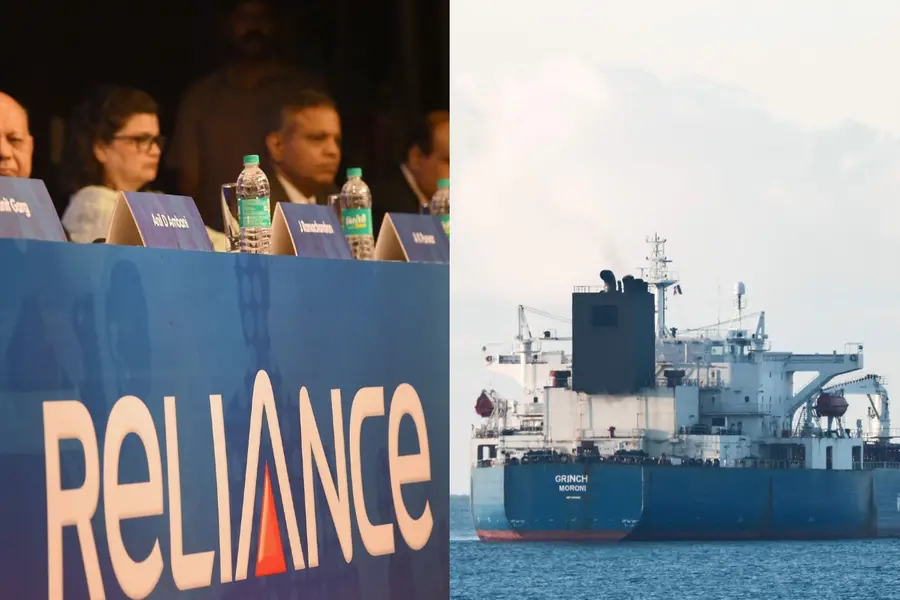
In a notable shift in India’s energy import patterns, Reliance Industries Ltd, the country’s largest buyer of Russian crude in 2025, did not purchase any barrels from Russia in January 2026. The decision comes amid heightened scrutiny of global sanctions and risk exposure for private sector firms.
Meanwhile, state-owned refiners ramped up imports, taking advantage of discounts of around USD 7 per barrel compared to mid-2025. Indian Oil Corporation (IOC) imported an average of 470,000 barrels per day (bpd), marking its highest ever monthly Russian crude intake. Bharat Petroleum Corporation Ltd (BPCL) increased its imports to 164,000 bpd, while Rosneft-backed Nayara Energy also continued sourcing Russian crude at 469,000 bpd.
Also Read

Overall, India’s Russian crude imports dipped slightly to 1.1 million bpd in the first three weeks of January from 1.2 million bpd in December 2025. Industry analysts note that direct deliveries from major Russian exporters like Rosneft and Lukoil are increasingly being handled by sanctioned-exempt intermediaries to maintain compliance, while Reliance, HMEL, and other private refiners opted to stay out of the market for now.
Experts say that this trend could continue through Q1 2026, with India’s Russian crude imports expected to average around 1.2 million bpd in January and 1.3–1.5 million bpd for the quarter. Analysts highlight that Nayara Energy remains structurally more exposed to Russian crude due to its supply chain linkages, whereas Reliance is focusing on alternative sources amid global sanctions concerns.
The pattern reflects a broader strategy where public sector refiners are leveraging market opportunities and discounted Russian crude, while private players remain cautious due to geopolitical and compliance considerations.
Reliance Industries, widely regarded as the largest private buyer of Russian crude in 2025 at approximately 600,000 bpd, did not take delivery of any barrels in January 2026. Data from maritime intelligence firm Kpler confirmed the absence of Russian shipments to the firm during the first three weeks of the month. HMEL and other private refiners similarly stayed away, likely influenced by potential international compliance risks.
In contrast, state-owned refiners increased their imports significantly. IOC’s January average stood at 470,000 bpd, up from 427,000 bpd in December. BPCL also scaled up imports to 164,000 bpd from 143,000 bpd the previous month. Nayara Energy continued sourcing Russian crude at 469,000 bpd, reflecting its deeper exposure due to sanctions affecting other suppliers.
Overall Russian crude imports to India fell to 1.1 million bpd in January from 1.2 million bpd in December 2025, both figures lower than November’s 1.84 million bpd, highlighting the impact of US sanctions on major exporters Rosneft and Lukoil, which came into effect on November 21, 2025. Analysts expect Indian imports for Q1 2026 to remain between 1.3–1.5 million bpd.
Most state-owned imports are now routed through sanctioned-exempt intermediaries rather than direct purchases from major Russian producers, with entities like Alghaf Marine and RusExport emerging as key channels. This shift allows continued crude flows while adhering to compliance requirements.
Analysts note that despite these market constraints, Nayara Energy continues to operate at full capacity, indicating stable operations amid international sanctions. Meanwhile, Reliance’s strategic abstention reflects a cautious approach to geopolitical and compliance risks while monitoring evolving market dynamics.
(With PTI inputs)
Published: 26 Jan 2026, 12:50 pm IST
Related Topics
Disclaimer: Kindly avoid objectionable, derogatory, unlawful and lewd comments, while responding to reports. Such comments are punishable under cyber laws. Please keep away from personal attacks. The opinions expressed here are the personal opinions of readers and not that of Mathrubhumi.