
On the 28th anniversary of Princess Diana’s tragic death in a Paris tunnel, the world remembers the night that stunned millions and the unanswered questions that still surround the People’s Princess
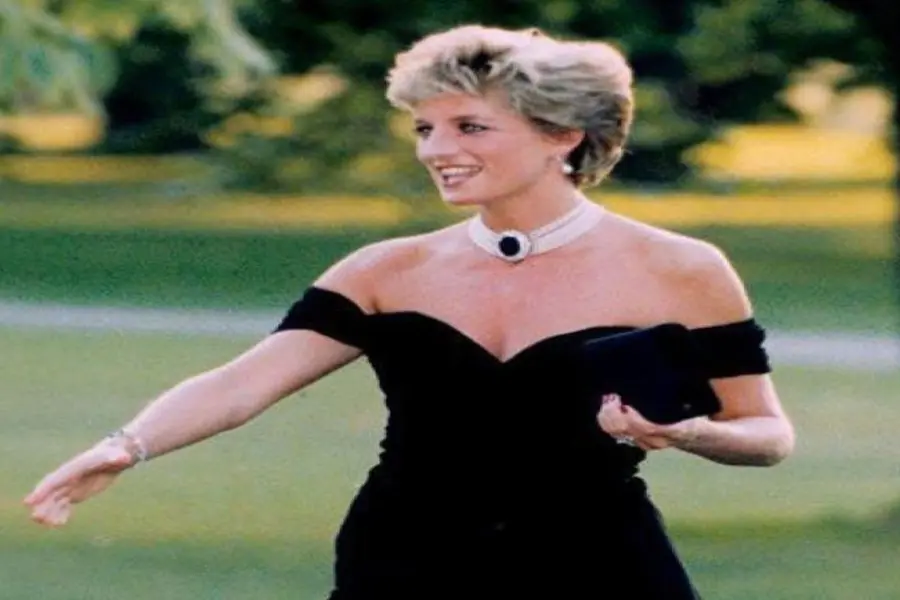
New Delhi: Few events in modern history stunned the world into silence. On August 31, 1997, Diana, Princess of Wales, died in a car crash in Paris. The shocking news halted daily life, rewrote newspaper front pages, and dominated television screens worldwide. The headline was the same everywhere: The People’s Princess was gone.
How Diana Died
In the early hours of that morning, Diana, 36, left the Ritz Hotel with her companion, Dodi Al-Fayed. Ritz security chief Henri Paul was at the wheel of a black Mercedes, with bodyguard Trevor Rees-Jones in the front seat.
Just minutes later, the car struck the 13th pillar of the Pont de l’Alma tunnel at high speed. The impact killed Dodi and Henri Paul instantly. Rees-Jones was pulled from the wreck alive. Doctors battled to save Diana, but by 4 am, her heart had stopped.
Her Last Hours
Earlier that night, Diana and Dodi had dined at the Ritz, owned by his father Mohamed Al-Fayed. As photographers crowded the main entrance, the couple slipped out the back at 12:20 am. By 12:23 am, their car had crashed at more than twice the speed limit inside the tunnel. Witnesses recalled a violent impact, then silence. Off-duty doctor Frederic Mailliez rushed to help and found Diana conscious but gravely injured. She reportedly whispered, “Oh my God… leave me alone.” Paramedics rushed her to Pitie-Salpetriere Hospital, but despite surgery, she could not be saved. At dawn, the princess was gone.
A Life in the Spotlight
Diana lived, and died, in the glare of cameras. She rose from nursery assistant to the most photographed woman in the world. Her marriage to now-King Charles was turbulent, but her compassion defined her public image. She shook hands with AIDS patients when stigma was still rife. She walked through active minefields to demand global action. She spoke openly about her mental health struggles at a time when royals rarely did. Her humanity set her apart — and brought royalty closer to ordinary people.
The World Mourns
Her sudden death sent shockwaves across continents. Outside Kensington Palace, mourners piled flowers higher than the gates. Millions lined the streets of London.
An estimated 2.5 billion people worldwide watched her funeral on television. Two young princes — William and Harry — walked behind their mother’s coffin as Elton John sang.
Investigations and Theories
French investigators in 1999 blamed Henri Paul, who was intoxicated and on prescription drugs. They concluded he lost control of the car while pursued by paparazzi.
In 2008, a British inquest called it “unlawful killing,” citing reckless driving and the photographers’ chase. But questions linger. The mysterious white Fiat Uno believed to have clipped the car was never traced. And Diana’s own note, warning of “an accident in my car,” fuels speculation even today. Prince Harry later drove through the tunnel himself and remarked: “No reason anyone should ever die inside it.” Both he and Prince William said official reports left “more questions than answers.”
The People’s Princess, Remembered
Twenty-eight years later, Diana remains a global icon. Her compassion, candour, and courage continue to inspire. Her life was lived in the spotlight — and her death froze the world in disbelief.
Published: 31 Aug 2025, 04:11 pm IST
Related Topics
Disclaimer: Kindly avoid objectionable, derogatory, unlawful and lewd comments, while responding to reports. Such comments are punishable under cyber laws. Please keep away from personal attacks. The opinions expressed here are the personal opinions of readers and not that of Mathrubhumi.
